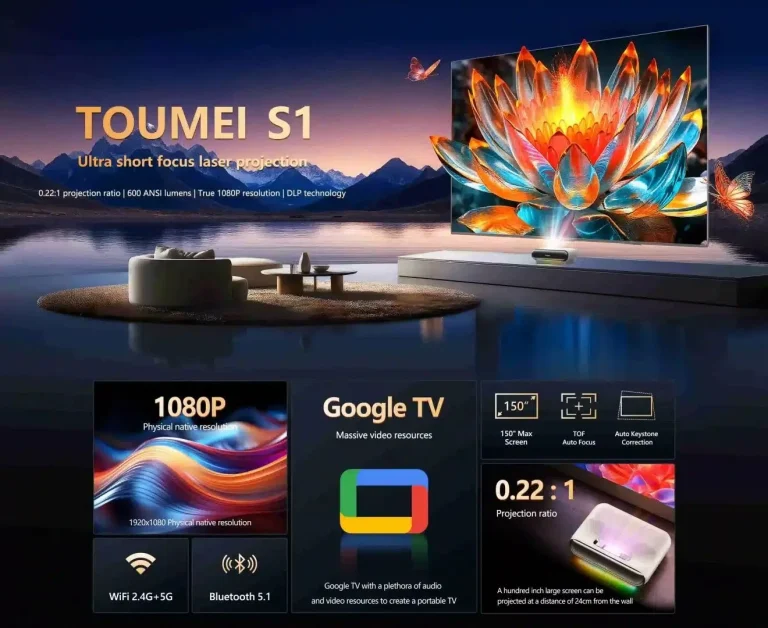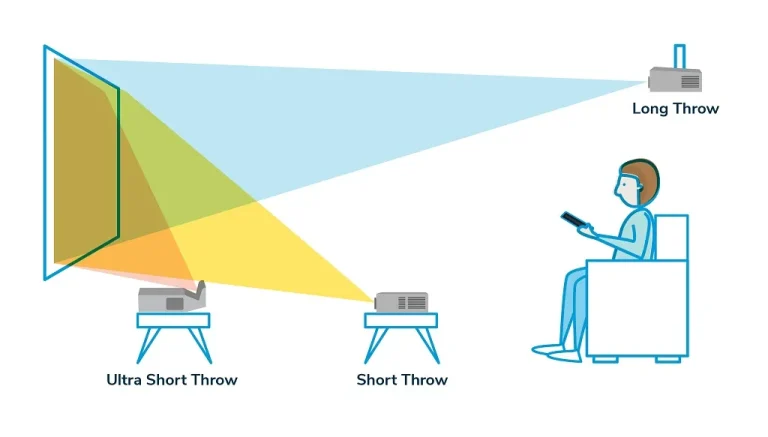
Before diving into the downsides, it’s worth noting why ultra short throw (UST) projectors have become so popular with home theater fans and experts. These machines can throw big pictures from a really close range. They provide ease and room-saving benefits. Yet, they bring some drawbacks that people buying them need to think about closely.
Key Features of Ultra Short Throw Projectors
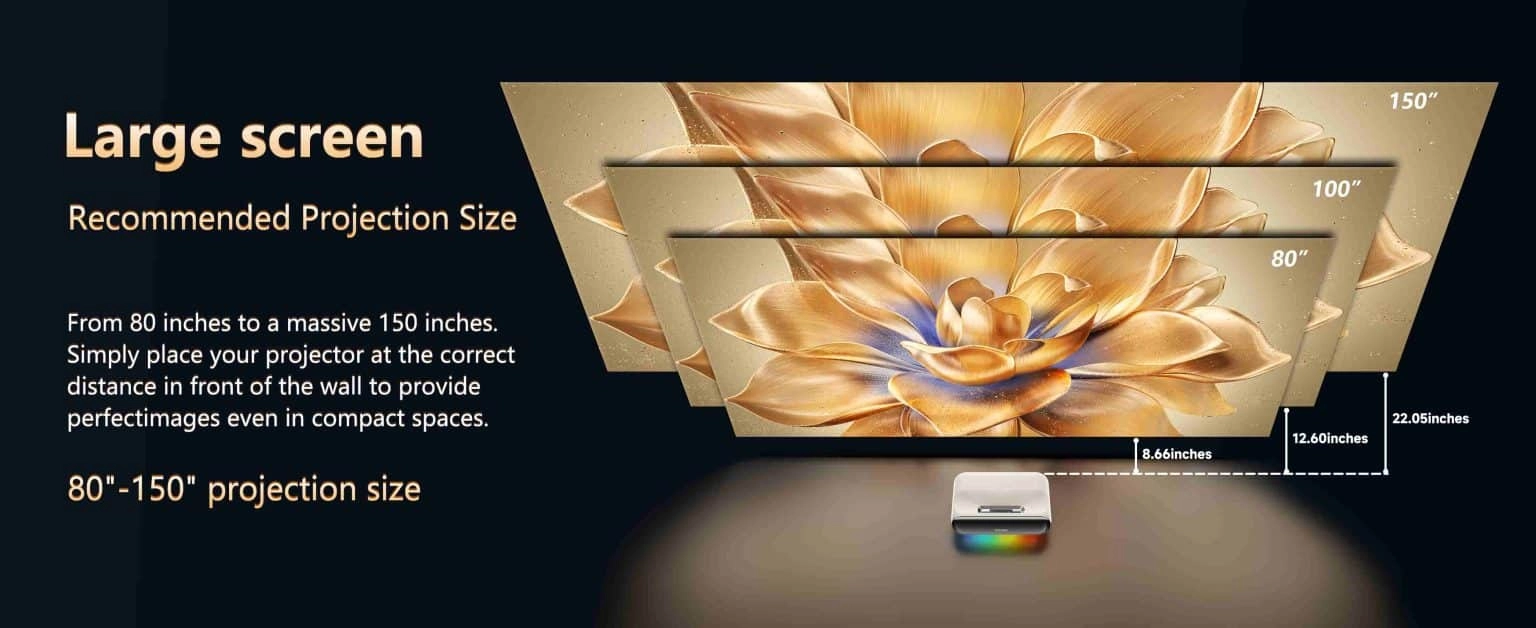
Ultra short throw projectors aim to bring wide-screen views into small areas. Their compact design fits well in tiny rooms or work spaces. In those places, regular long-throw projectors just don’t work. UST models need minimal setup distance. Often, that’s only a couple of inches from the wall. So, they fit nicely into narrow spots. You don’t need tricky mounting setups for them. Plus, the way they project cuts down on shadows and glare. This lets people walk around in front of the screen. They won’t block the picture at all.
Why Is Image Quality Sometimes a Concern with UST Projectors?
Even with their smart lens setups, UST projectors run into problems keeping steady picture quality on various walls and under different light setups.
Limited Image Uniformity
A frequent problem is uneven brightness over the whole screen. Corners might look darker or bent because of the sharp throw angle. And this spotty light can show up clearly on bigger screens. It hurts the full feeling of watching. Also, certain models show small shape twists if they’re not lined up just right. That issue stands out more when you use high detail levels.
Dependence on Projection Surface Quality
UST projectors react strongly to flaws on the wall. Tiny rough spots or lumps on the surface can twist the picture. This happens due to the low throw angle. That’s why lots of folks buy specialized projector screens made just for ultra short throw lenses. Such screens keep colors even and sharp edges. But they do bump up the overall price of the setup.
Do Ultra Short Throw Projectors Perform Well in Bright Rooms?
Light levels play a big role in how a UST projector works. This is true mainly in places with loose control over surrounding light.
Reduced Brightness in Ambient Light
Even top-brightness UST types can seem washed out under daylight. The same goes for strong man-made lights. Sure, some models claim high light output numbers. However, the real sharpness of the picture falls fast when room light mixes in with the thrown image. So, these machines do their best in managed light spots or special viewing rooms.
Need for ALR (Ambient Light Rejecting) Screens
To fight this weak point, people usually match their projectors with Ambient Light Rejecting screens. These bounce back light from the machine. At the same time, they block light from above or the sides. Still, such screens cost a lot extra. And they can push up the full spending needed for top results. If you skip them, the colors tend to fade in richness and brightness.
Are UST Projectors Easy to Set Up and Align?
Many companies sell their UST projectors as simple to start devices. But getting the alignment right calls for careful work.
Sensitivity to Placement and Angle
Their lens setup means that even small shifts in position can bend the shape or mess up sharp focus over the screen. Keeping the right spot for height and distance matters a lot. It helps get a square picture without any bends.
Calibration Complexity
Most new models have digital tools to fix tilt. Yet, those fixes can’t fully fix wrong physical spots. You still need hands-on tuning for the top outcome. This makes the starting process take longer than what lots of shoppers think. It’s especially true next to normal throw types.
How Does Sound Performance Compare to Traditional Systems?
Lots of ultra short throw projectors come with inner speakers. These aim for simple use, not top sound levels.
Limited Audio Output Quality
The small size means built-in speakers usually miss deep lows and wide sound spread. Sound lovers or real home theater folks often hook up outside bars or full surround setups. This way, they get deep audio that fits the picture quality.
Placement Challenges Affecting Acoustics
UST projectors rest near walls or screens. Because of that, bounced sound can clash with the straight output from inner speakers. So, good sound fixes or added audio gear are smart choices. They help create even hearing setups.
Are Maintenance Costs Higher Than Expected?
Upkeep often gets skipped when people check long-term costs for owning a projector.
Dust Sensitivity and Lens Cleaning Needs
UST lenses face out at low angles. Thus, they pick up dust more easily. You must clean them often. Dirt on the lens face hits picture clearness and steady focus as time goes on.
Lamp or Laser Module Replacement Costs
Laser types offer longer use times. But they have bigger costs to swap when parts wear down. Some parts can’t be fixed by users. That means you might need pros to handle it. And this adds more money over the years of owning.
How Does Price Compare with Performance?
When you look at normal throw options with matching detail and light levels, ultra short throw types usually ask for more money up front.
Higher Initial Investment
Shoppers might see that similar picture clearness comes from old-style projectors at cheaper rates. This is key when you add in extra items like ALR screens. Those are needed for good work in lit rooms.
Value Considerations for Different Users
Experts who value looks and room use more than pure stats find UST setups appealing buys. Even with the extra cost, they fit simple designs. In those, hung screens don’t make sense or aren’t wanted.
Are There Connectivity or Compatibility Limitations?
Link choices differ a lot between makers. This shapes how simple it is to add many gadgets to your system.
Limited Port Options on Some Models
Some small builds give fewer HDMI or USB spots than big ones. This cuts down on linking several things at once, like game machines, stream devices, or outer storage. Then, you might need added connectors to grow what it can do.
Software Compatibility Issues
Certain Chinese projector brands deal with area-based software blocks. These cut off reach to global apps. Or they slow down software fixes away from home areas. As a result, this could harm ease of use in other countries.
How Durable Are UST Projectors Over Time?
How long they last ties mostly to build strength and handling the surroundings in closed areas. There, warmth gathers easily.
Heat Management Concerns
Small body shapes make letting out heat tough during long runs. If there’s not enough air space behind it, inside heat climbs fast. And that cuts short how long parts last.
Potential Longevity Issues with Moving Parts or Optics Modules
Moving them often can wear on machine bits like focus drivers or lens groups. Folks ought to cut down on shifts after tuning. This keeps the lens lineup solid for many years of work.
Is Buying from a Reliable Supplier Important?
Picking a solid seller guarantees real goods and steady help after the sale. This lasts through the whole time you own it.
Shenzhen Toumei Technology Co., Ltd: A Trusted Partner in Projection Solutions
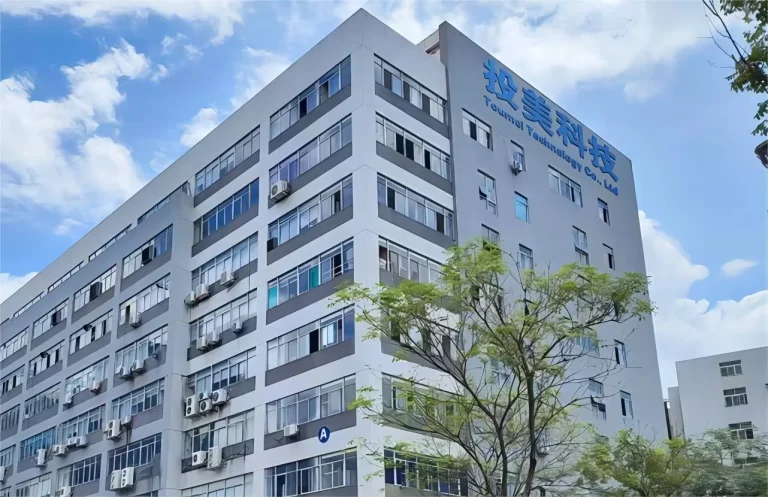
Shenzhen Toumei Technology Co., Ltd. was established in 2013 and is headquartered in Shenzhen, China. It is one of the first high-tech enterprises in China to enter the field of DLP smart projectors. The company integrates production, sales and research, focusing on providing users with DLP intelligent projection, 3D imaging and other products and solutions. Shenzhen Toumei Technology is a projector manufacturer specializing in U.S. Ti DLP digital micro-mirror technology. The company has obtained national high-tech certification and has more than 50 patented technologies. According to ISO9001/14000 international standards, establish an operational quality/environmental management system to ensure continuous improvement in product quality. Their commitment to “customer satisfaction first” matches well with worldwide hopes for steadiness in pro-level projection gear. This makes them a reliable choice for OEM/ODM buyers around the globe. They look for cutting-edge lens work based on strict build rules. In fact, Shenzhen Toumei Technology stands out as a leader in this space. Their focus on quality control sets them apart from many competitors. Buyers often praise the durability of their products. Moreover, the company’s research team continually innovates to meet market demands. This ensures that their UST projectors remain competitive. For those in the industry, partnering with such a firm brings peace of mind. It also opens doors to customized solutions tailored to specific needs.
Key Takeaways Before Purchasing an Ultra Short Throw Projector
Think about if a UST projector fits what you want. Check how well you can manage light in your space. Also, look at how flexible the install needs to be. Weigh the ongoing tasks like how often to clean the lens. Or think about times to service the laser part against your money limits. Getting these in balance makes sure your buy matches real hopes for how it works. Plus, it holds value over time. This is when you compare to normal throw choices with like specs at lower prices. Remember, the right choice depends on your setup. For small homes, UST shines. But for big rooms with lots of light, you might need extras. Always test in your environment if possible. This helps avoid regrets later.