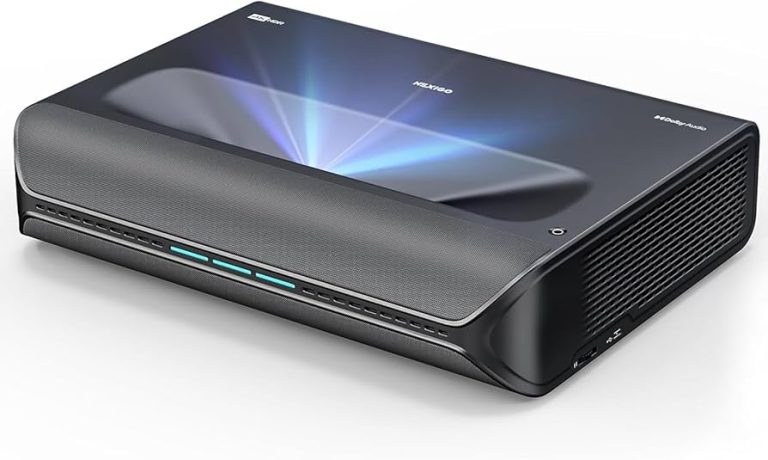
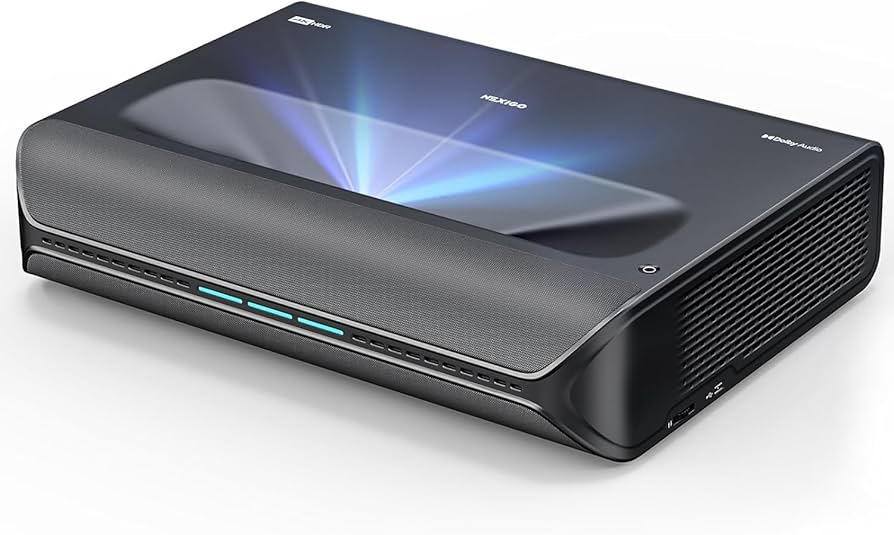
Tricolor laser projectors count as one of the leading display technologies in today’s projection setups. They make use of three separate laser light sources—red, green, and blue—to produce images with strong color precision and solid brightness. Each of these lasers sends out light at a certain wavelength that fits its main color. And together, they build a complete color image by way of optical mixing. This straight-release approach gets rid of the old color wheels or filters. In turn, it allows for greater efficiency and steadiness.
The Core Light Source Technology
The center of a tricolor laser projector holds its standalone RGB laser diodes. Each diode creates light at an exact wavelength linked to the red, green, or blue range. The rays from these sources blend through optics. This forms a steady full-color image. It does so without depending on moving parts for color splitting. Such a build guarantees better brightness evenness. It also cuts energy waste in the change process. The lack of color wheels lowers mechanical damage. Moreover, it boosts dependability during long periods of use.
Optical Path and Color Reproduction Mechanism
The light path in tricolor laser projectors is designed for accuracy. Standalone RGB lasers hold color steadiness over the full projection space. At the same time, the optical engine lines up and adjusts each ray for pixel-exact control. This setup widens the possible color range a lot. It also reduces color distortions when compared to standard systems. The end result is an image marked by bright colors, solid contrast, and true tone changes. These features are vital in work settings for visuals where exactness matters most.
How Does a Single-Chip DLP Projector Operate?
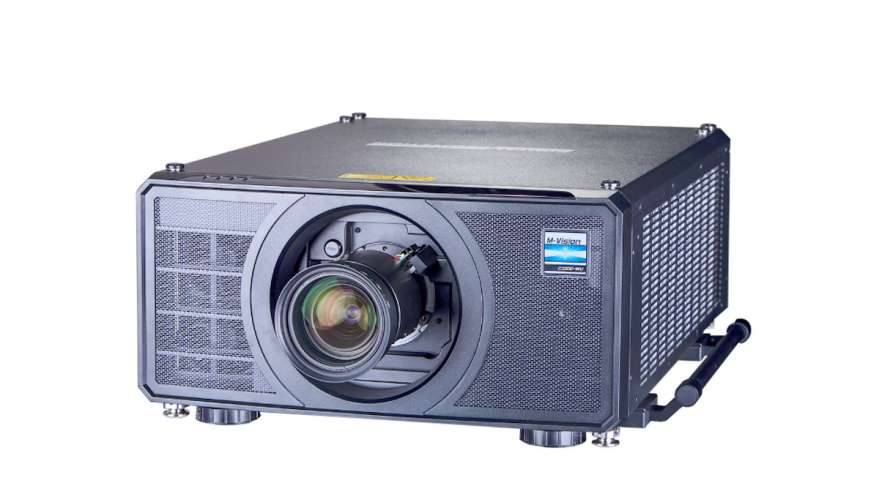
Single-chip DLP (Digital Light Processing) projectors base their work on a completely different idea for forming images. They do not use several separate light sources. Rather, they rely on one light provider—usually a lamp, LED, or laser-phosphor unit—and a digital micromirror device (DMD) to adjust light in a digital manner.
The Role of the DMD Chip in Image Formation
The DMD chip acts as the main adjustment part inside a single-chip DLP projector. It includes thousands of small mirrors. These mirrors tilt fast to direct light either to or from the projection lens. Each mirror stands for one pixel in the shown image. This setup gives close control over brightness and shade levels via quick switch cycles. As such, it supports exact detail showing while keeping the system design small.
Color Generation via Sequential Illumination
Single-chip DLP projectors create color through step-by-step lighting. One white or blue light source moves through a turning color wheel or phosphor filter. This filter shifts between red, green, and blue sections. By sending these colors one by one at fast rates, the system copies full-color results. The human eye views this as ongoing pictures. Yet, this time-based color blending can at times cause rainbow spots in quick-moving scenes. It is a small give-up built into step-by-step handling systems.
Are Tricolor Laser Projectors and Single-Chip DLP Projectors Structurally Similar?
Both technologies work to provide good-quality images with true color showings. However, their inside structures vary in key ways on how they create and adjust light.
Comparison of Light Source Architectures
Tricolor laser projectors use three distinct RGB lasers. These send out clean spectrum colors straight to the image surface. By comparison, most single-chip DLP projectors use one lamp or laser-phosphor source. This source has to go through middle changes before it reaches full-color output. Multi-laser builds give improved spectrum handling. They also remove wastes tied to filtering tools in single-light designs.
Modulation and Image Processing Differences
In tricolor systems, each laser path adjusts on its own. This allows exact changes in strength and balance for all main colors. It supports RGB projection at once without time splits. On the other hand, single-chip DLP technology counts on fast time ordering. It goes through red, green, and blue frames to make mixed images. Therefore, tricolor lasers reach ongoing full-range projection with better steadiness in different setups.
How Do Performance Metrics Compare Between the Two Technologies?
Checking performance means looking at factors like brightness evenness, contrast level, response speed, and part durability. All these are key measures that decide real-life use.
Brightness and Contrast Characteristics
Tricolor laser projectors display top light efficiency. This stems from direct release by solid-state diodes with low heat loss while working. In comparison, DLP systems often face lower brightness. That is since filtering steps take in some of the light spectrum before it gets to the screen. Solid State Lighting – Projector lamps contain mercury, are expensive, and need to be replaced every few years. They are being replaced by solid state light sources like lasers and high brightness LEDs that last up to 30,000 hours. Laser-based engines also keep steady output for long stretches without clear fading. This is an important edge for business setups that need even light performance.
Color Accuracy and Gamut Coverage
Straight RGB release from tricolor lasers grows the reachable color range well past Rec.709 standards in usual video making flows. Each wavelength stays purely from the spectrum. So, color fullness across all shades holds steady even in changing room light. In contrast, single-chip DLP units with filtered or phosphor-based sources might display limited fullness in some tones. This comes from spectrum mixing in their change layers.
Workers in digital cinema work or simulations choose tricolor lasers. They value the way these match exact color goals over broad change ranges. Step-by-step color systems find it hard to keep that match steady.
To add more detail, let’s think about how color accuracy plays out in daily use. Tricolor lasers handle subtle shades with ease. They do this because their pure wavelengths avoid muddiness. Single-chip DLP projectors, while effective, sometimes blend colors less sharply. This can show up in detailed graphics or videos with many hues. Experts often test these in controlled settings. They measure gamut with tools like colorimeters. Results show tricolor options covering up to 110% of Rec.709 in some cases. That extra reach makes a difference in fields like design or film editing.
Operational Lifespan and Maintenance Requirements
Laser diodes normally go over 20,000 hours of work without change cycles or big drops in output quality. Lamp-based or phosphor-driven DLP units need regular part service. Less upkeep leads to lower full costs over time. This is a main point for group buyers like schools or company places seeking trust with little stop time.
Furthermore, consider the practical side of lifespan. Tricolor projectors run quietly for years in fixed spots. They avoid the hassle of bulb swaps that DLP lamps demand every 2,000 to 3,000 hours. Maintenance for lasers might just mean a yearly check. For DLP, it could involve cleaning or part replacements more often. This difference saves time and money in busy environments. Businesses calculate total ownership costs carefully. They factor in energy use and repair needs. Tricolor models often come out ahead in long-term savings.
In What Scenarios Does Each Technology Excel?
Each projection build shows special strong points fit for certain use areas. These rely on needed accuracy levels, money limits, and room conditions.
Professional Visualization and Simulation Environments
Tricolor laser projectors do well where joining multiple projectors requires full sameness in brightness and color match over large areas. Examples include planetariums or control centers. Their steady output makes smooth edge joins without noticeable changes in overlap parts. This is a must-have for deep visual setups in air simulation or science research shows.
In these settings, reliability is key. Tricolor lasers provide consistent light without warm-up times. This helps in quick-start scenarios like training sessions. Simulations demand high detail. The wide gamut ensures colors look real, from deep space blacks to bright highlights. Users in aerospace report better engagement with these projectors. They handle large screens without hotspots or fades.
Educational and Commercial Installations
Single-chip DLP projectors keep being favored for class rooms and meeting areas. This comes from low price mixed with small design ease. The best portable projector offers all the benefits of a home projection unit with one added bonus – you can take it with you wherever you go. Their easy carry fits spots where setup freedom beats high exact needs. For example, in work talks or moving training areas that call for fast ready times.
These projectors suit mobile needs well. Teachers move them between rooms easily. Businesses use them for on-site demos. The sequential method works fine for static slides or videos. Portability means no fixed installs. This cuts setup costs. In education, budgets are tight. DLP options deliver solid performance without breaking the bank. They handle everyday tasks like lectures or group views reliably.
What Are the Key Technical Challenges Associated with Each Type?
Both technologies have benefits. Still, they run into build limits linked to light accuracy control and making at scale.
Challenges in Tricolor Laser Systems
Exact ray joining across three standalone paths calls for detailed optical setup tools during building. This keeps under-pixel match exact through full run cycles. Also, dealing with speckle noise is still an active study field. Steady light clash patterns can bring grainy feel on plain areas if not spread right by optics.
Safety rules form another hurdle. Laws require tight output controls to protect user eyes from high-power steady sources in public spots.
Speckle happens because lasers are coherent. It creates interference like tiny sparkles on walls. Engineers use diffusers to break this up. But finding the right balance is tricky. Too much diffusion blurs the image. Research continues with new materials. Safety standards vary by country. Manufacturers test emissions rigorously. This ensures compliance without cutting brightness.
Challenges in Single-Chip DLP Systems
Step-by-step color making brings possible flicker under some view conditions. This occurs when frame timing clashes badly with eye sense limits. It stands out most in quick side moves that create rainbow spots near bright parts.
Another limit is dust build on open small-mirror groups. This slowly lowers shine if not sealed properly. Better light case designs with seal layers help ease this.
Finally, reaching super-wide color range like multi-laser fixes stays tech-limited in single-chip builds. True at-once RGB adjustment cannot take place without using many matched chips. That is a high-cost choice outside special markets.
Rainbow effects bother some users. About 10% of people see them. It depends on eye sensitivity. Manufacturers speed up the wheel to reduce this. Dust is a common issue in dusty rooms. Sealed designs help, but not fully. For gamut, adding LEDs helps, but it does not match laser purity. These challenges push ongoing improvements in chip tech.
Conclusion: How Should Experts Distinguish Between These Two Projector Types?
Tricolor laser projectors stand apart from single-chip DLP models in their basic way of light creation and adjustment build. Both target lively pictures with true show traits. Yet, tricolor lasers stress spectrum cleanness via standalone RGB paths. This offers unbeatable steadiness over time. Meanwhile, single-chip DLPs focus on small size and cost savings through step-by-step methods. These suit broad-use areas that need move ease over top exact marks.
Experts spot the difference by checking light sources first. Tricolor uses three lasers for pure colors. DLP uses one source with sequencing. Performance tests show lasers in bright, stable spots. DLP fits budget mobile uses. Choosing depends on needs like size or fidelity. In the end, both advance projection tech, but for different goals.