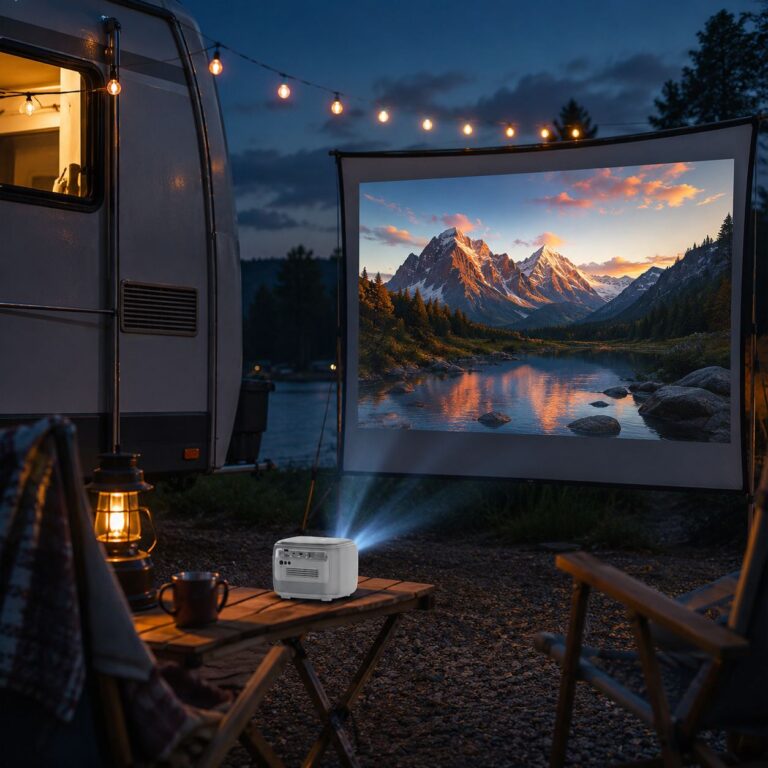
Portable projectors once looked like highly specialized items. They were built mostly for traveling workers and rare movie nights. Today, things are quite different. People use them in houses, offices, classrooms, outdoor areas, and temporary viewing setups. Big-screen televisions have grown much cheaper. Tablets give very easy access to digital media. Even so, portable projectors still draw in shoppers. These buyers really care about flexibility, screen size, and easy movement. The market has gained a lot from better battery life. Wireless connectivity, image quality, and smart operating systems have improved as well. The overall demand has not vanished. Instead, it has simply moved toward specific users and highly practical situations.
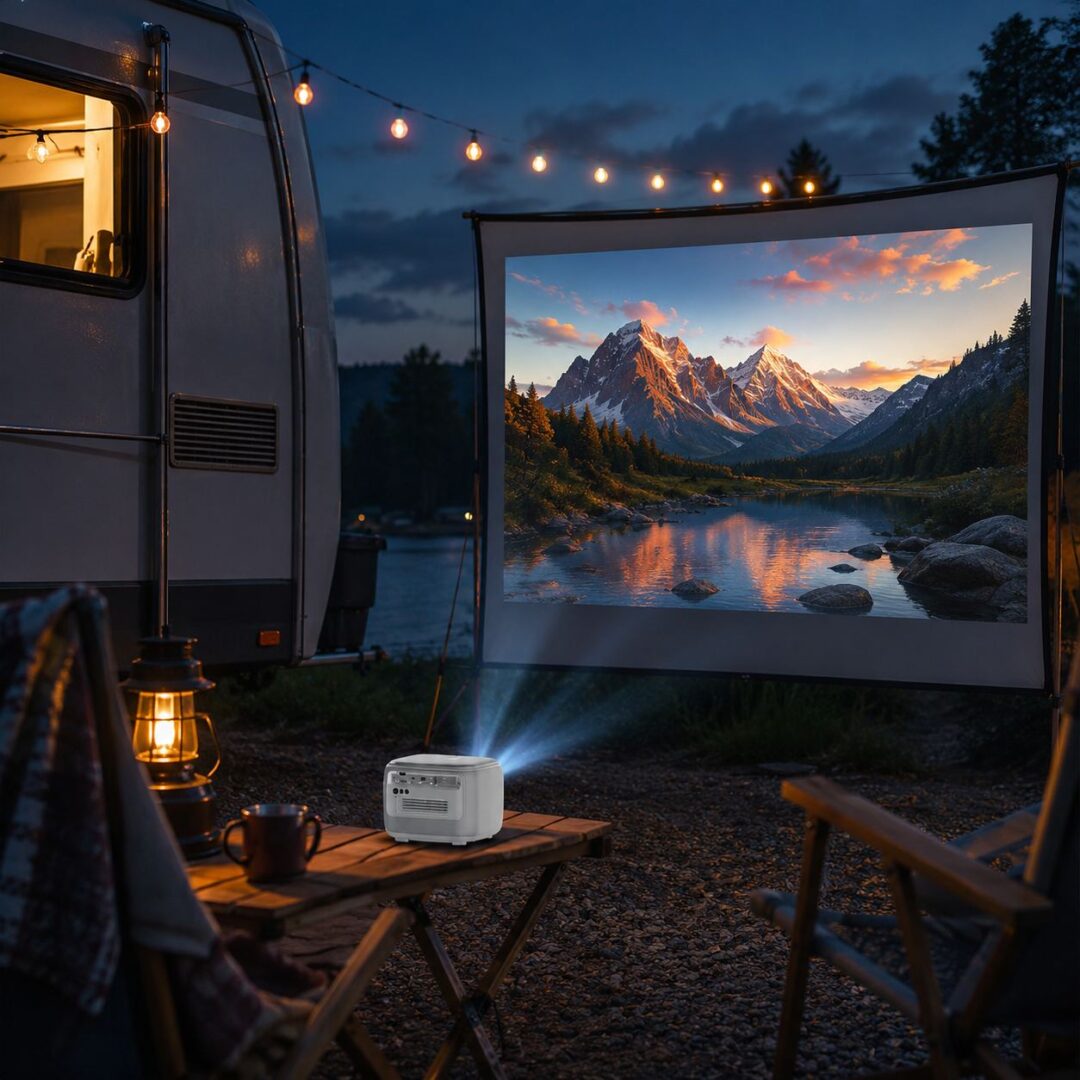
Why Do Consumers Still Buy Portable Projectors?
The lasting appeal of portable projectors ties closely to the unique experiences they deliver. They are not always meant to swap out televisions. They do not aim to replace professional home theater systems either. Rather, they bring a distinct mix of ease, portability, and strong visual impact.
They Create a Large Screen Almost Anywhere
One of the biggest selling points for a portable projector is its screen size. It can project a much bigger picture than a laptop, tablet, or television in a similar price range. A person can pack a tiny unit in a bag. Then, they can cast a display measuring 80, 100, or even 120 inches. They just need a proper wall or screen.
This specific trait is highly appealing to folks living in apartments or shared spaces. They might lack the room for a permanent, giant television. However, they can easily pack away a projector when they are not watching it.
They Support Flexible Entertainment
Portable projectors can easily transform bedrooms, gardens, campsites, garages, and rented spaces into quick cinemas. Families can set up movie nights without rearranging a whole room. Meanwhile, travelers can watch a bigger screen in hotels or vacation houses.
Many recent models feature Wi-Fi, Bluetooth, built-in speakers, and streaming applications. These handy additions cut down on extra cables and outside gadgets. As a result, getting everything running is much faster and simpler.
Which Users Are Driving Current Demand?
Portable projectors attract several distinct buyer groups. They do not just target one giant mass-market crowd. Each distinct group cares about different details. Some focus on brightness and battery life. Others care more about simple use and wireless compatibility.
Home Entertainment Users
Shoppers seeking an affordable big-screen setup stay a very vital group. A portable projector works great for films, television programs, sports, light gaming, and online videos. It can also move easily from room to room. Doing that is quite hard with a heavy, wall-mounted television.
Interest is notably high among renters and younger buyers. These people tend to move around often. They generally favor gear that avoids any permanent setup.
Business Professionals and Educators
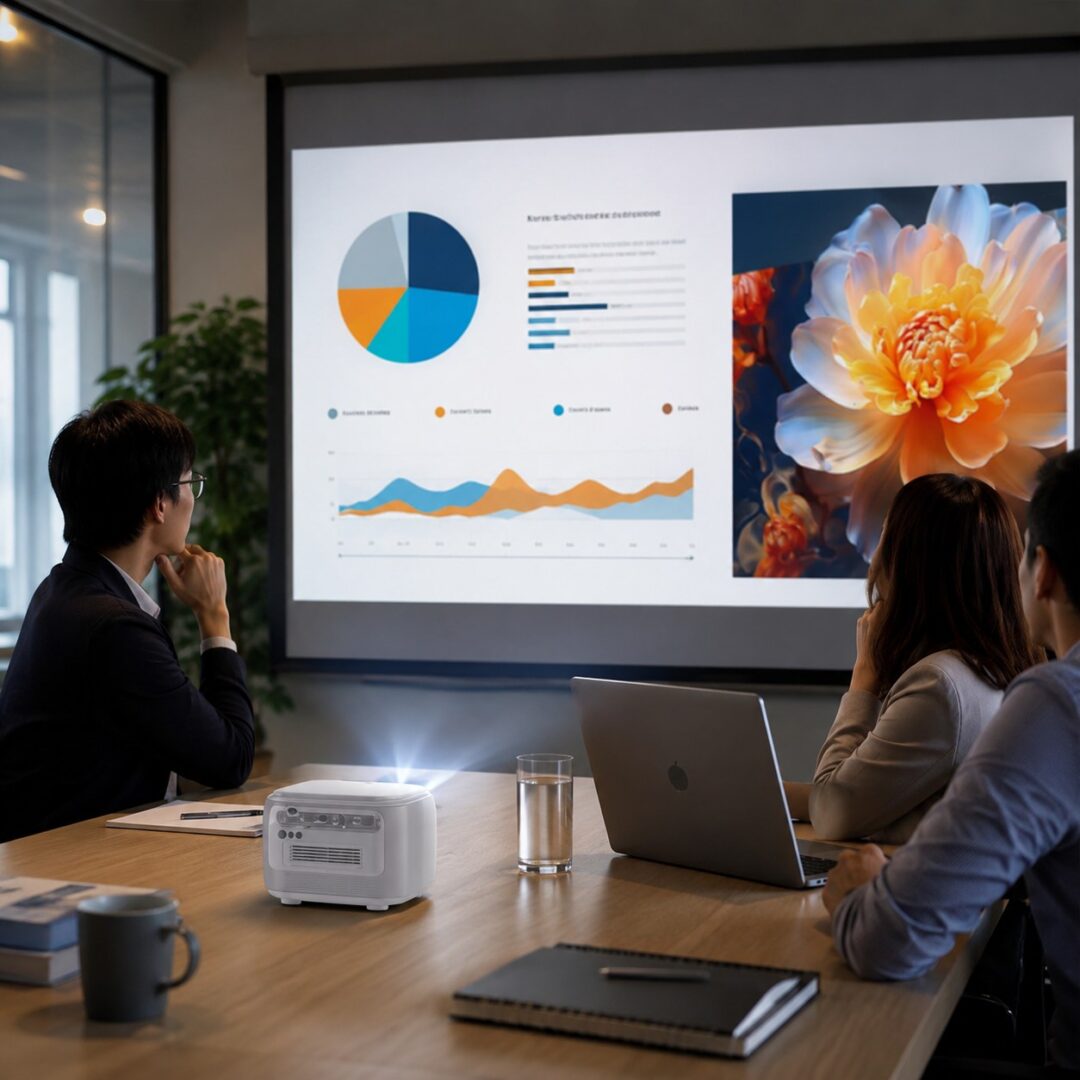
Sales representatives, consultants, trainers, and teachers often rely on compact projectors. They use them for presentations in spots lacking regular display gear. A projector that connects to a laptop or smartphone is a great backup. It helps immensely during meetings, workshops, and school lessons.
For these specific workers, steady connections and clear text matter a lot. Basic controls might actually be more vital than perfect cinematic picture quality.
Travelers and Outdoor Users
Campers, van owners, and regular travelers form another clear buyer segment. Battery-powered projectors offer fun in places lacking standard electrical outlets. Still, outdoor viewing relies heavily on deep darkness. Projection distance, surface quality, and local weather conditions also play big roles.
How Have New Technologies Increased Their Appeal?
Portable projectors have gotten much better over the past few years. Older items faced harsh feedback. People disliked the dim images, loud fans, weak speakers, and tricky setup steps. Current devices try hard to fix these exact issues. They use much better hardware and software to do so.
Smart Features Reduce Setup Time
Many portable projectors now pack smart operating systems. They offer automatic focus, automatic keystone correction, screen alignment, and obstacle avoidance. These helpful tools let users get a well-shaped, sharp picture. They skip making lots of manual tweaks.
Wireless screen mirroring and built-in streaming services add huge value. They make portable projectors feel like full entertainment hubs. They are no longer just basic display tools.
LED and Laser Light Sources Offer Practical Benefits
LED and laser light sources generally run much longer than older projector lamps. They also demand far less routine upkeep. Furthermore, they allow for smaller product shapes and lower power use.
Image brightness still shifts a lot between different models. Shoppers should look closely at standard brightness numbers. They should not just trust flashy promotional ads.
What Challenges Could Limit Market Growth?
Despite their clear perks, portable projectors do not fit every single user. A few real limits stop them from replacing televisions, monitors, and full-size projectors in many cases.
Bright Rooms Remain a Problem
Most compact projectors do their best work in dark or dim spaces. Direct sunlight and heavy indoor lighting can make the cast image look washed out. A standard television normally gives much better contrast and clarity during daytime viewing.
Getting higher brightness usually demands bigger parts. It needs tougher cooling systems and extra power. Makers must carefully weigh easy portability against raw performance.
Sound and Battery Performance Can Be Limited
Built-in speakers bring nice convenience. Yet, they might not push enough volume or deep bass for large rooms or outside parties. Listeners might have to grab a Bluetooth speaker or an external sound system.
Battery life is another major point. A specific unit might be sold as cordless. However, its battery might fail to last through a long movie at peak brightness. Shoppers need to check actual running times across different brightness modes.
Low-Cost Products Can Create Poor Expectations
The market holds many cheap projectors. These often push wild claims about resolution, brightness, or compatibility. Buyers picking these units might face blurry images and dull colors. They might also hit software bugs or get very poor customer support.
These bad moments can hurt general trust in the whole product category. Well-known makers and honest sellers must share clear details. They need to offer very realistic performance data.
Will Portable Projectors Remain Relevant in the Future?
Portable projectors will likely stay useful. They handle jobs that fixed displays simply cannot manage well. Their future success relies on makers boosting brightness, battery efficiency, software stability, and image quality. They must do this without making the units too bulky or pricey.
Demand Will Become More Specialized
Portable projectors might not turn into must-have gear for every single home. Yet, they can keep a solid following among renters, travelers, families, educators, professionals, and outdoor viewing fans.
Shoppers will probably pick models for very distinct tasks. Some will care most about a tiny size. Others will gladly pay extra for intense brightness, true color, low gaming lag, or a steady smart platform.
Product Quality Will Matter More Than Novelty
The basic thrill of casting a huge image is no longer enough to secure a sale. Buyers today demand fast startup and smooth streaming. They want crisp sound, automatic image correction, and fully honest tech specs.
Brands offering a deeply smooth user journey are much more likely to win. They will beat firms that only fight using cheap prices or fake performance claims.
Conclusion
There is still a very clear market for portable projectors. The field is just getting much more practical and split into distinct groups. People buy these items to cast huge pictures in tricky spots. Putting a television or full-size projector there would be a real hassle. Upgrades in wireless connectivity, smart software, and light-source life help a lot. Automatic focus and tiny shapes have made the whole group much more tempting.
At the exact same time, portable projectors still battle real limits. These involve ambient light, battery life, audio power, and spotty build quality. They prove most useful when a buyer picks a unit fitting a very specific setting and task. Portable projectors are clearly not fading away. They are simply shifting from fun gadgets into truly flexible display tools. They work great for entertainment, daily work, education, and travel.