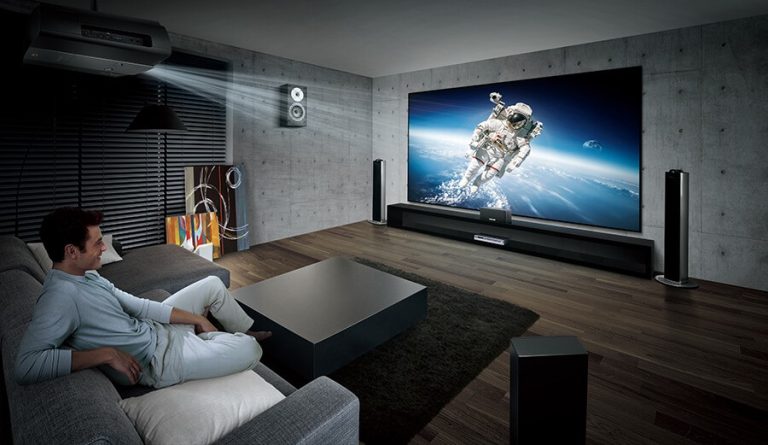
The world of projectors is changing dramatically in 2026 with new technologies such as semiconductor advancements; laser-based light sources; and smart operating systems providing the capability to change the face of the consumer projector market.
Today projectors are more than just an object used to display images; they now consist of advanced optical systems; intelligent software systems; and specific components that have been supplied through a global electronic supply chain.
This article will provide a detailed look at the supply chain for projectors in 2026 and will identify the major technology suppliers, component manufacturers, and projector brands involved in the advancement of the overall smart projection industry.
Major Market Trends in the Consumer Projector Industry
Growing Popularity of 4K Projectors
Another important development in the projector market is the rapid adoption of 4K resolution projection technology.
Advances in semiconductor manufacturing have reduced the cost of projection chips capable of supporting 4K image processing. This has allowed 4K projectors to move from premium home cinema installations into the mainstream consumer market.
Projected resolution distribution in 2026:
720P: approximately 15%
1080P (Full HD): approximately 55%
4K: approximately 30%
As chip costs continue to decline, 4K projectors are expected to become standard in many mid-range home entertainment products.
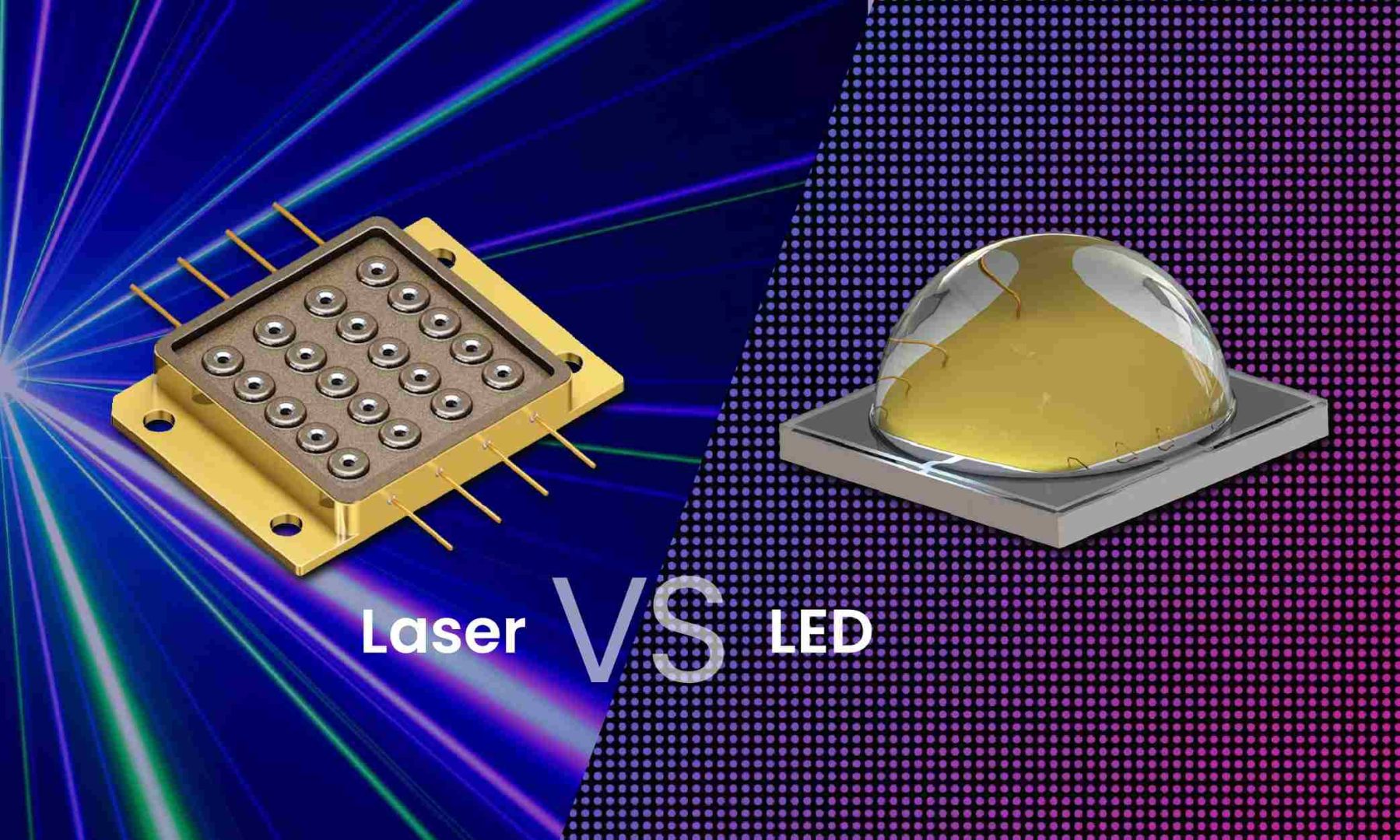
Transition from Lamp Projectors to LED and Laser Technology
For many years, traditional projectors relied on high-pressure mercury lamps. However, the industry is rapidly shifting toward solid-state light sources, particularly LED and laser projection technologies.
Compared with lamp-based projectors, LED and laser projectors offer several advantages:
longer lifespan (20,000–30,000 hours)
lower maintenance costs
faster startup time
higher energy efficiency
stable brightness over time
Environmental regulations in several markets are also encouraging this transition. As a result, lamp-based projectors are gradually disappearing from the consumer electronics market.
Industry estimates suggest that by 2026 the global consumer projector market will be structured roughly as follows:
LED projectors: 60–65%
Laser projectors: 25–30%
Lamp projectors: less than 10%
Laser projection technology is becoming especially popular in home theater systems and ultra-short-throw laser TV products.
Core Display Chip Suppliers in the Projector Industry
Projection chips are the core component that generates images in a projector. Three major technologies dominate the market today: DLP, 3LCD, and LCoS.
Texas Instruments and the DLP Ecosystem
Texas Instruments is the leading supplier of DLP (Digital Light Processing) technology.
The company designs and manufactures DMD (Digital Micromirror Device) chips, which use millions of microscopic mirrors to create projected images.
Common DLP chip models include:
0.23-inch DMD – used in portable smart projectors
0.33-inch DMD – mainstream 1080P projectors
0.47-inch DMD – entry-level 4K projectors
0.66-inch DMD – high-end home theater systems
Because of their compact structure and excellent motion performance, DLP projectors are widely used in home entertainment and portable smart projectors.
Many well-known projector brands use TI’s DLP technology, including BenQ, Optoma, ViewSonic, XGIMI, and Dangbei.
Epson and 3LCD Technology
Epson is the primary developer of 3LCD projection technology.
Unlike DLP projectors, 3LCD systems use three separate LCD panels to generate red, green, and blue light simultaneously. This design allows 3LCD projectors to achieve:
high brightness levels
accurate color reproduction
strong performance in business and education environments
Because Epson designs and manufactures its own LCD panels and optical engines, it maintains strong control over product quality and performance.
LCoS Technology for Premium Home Cinema
Liquid Crystal on Silicon (LCoS) is a high-end projection technology used primarily in premium home theater systems.
Major manufacturers include:
Sony (SXRD technology)
JVC (D-ILA technology)
LCoS projectors offer exceptional contrast ratios and cinematic image quality. However, their high production costs limit their use to the premium projector segment.
Laser and LED Light Source Suppliers
Light source technology determines a projector’s brightness, lifespan, and color performance.
Several specialized companies dominate the projector light source market.
Nichia – Leading Laser Diode Manufacturer
Nichia, a Japanese semiconductor company, is one of the world’s leading manufacturers of high-performance laser diodes.
Its components are widely used in:
RGB laser projectors
laser TV systems
high-brightness home cinema projectors
Nichia’s technology is known for its reliability and high optical output.
Appotronics – Developer of ALPD Laser Technology
Appotronics is the developer of ALPD (Advanced Laser Phosphor Display) technology.
This system uses laser light to excite phosphor materials, producing a stable and natural image while reducing laser speckle.
ALPD technology is widely used in:
laser TV systems
high-brightness laser projectors
cinema projection systems
OSRAM – Solid-State Lighting Supplier
OSRAM supplies LED and laser lighting modules used in many compact projectors.
These components are commonly found in:
portable projectors
mini smart projectors
LED home entertainment projectors
Optical Engine and Projection Module Manufacturers
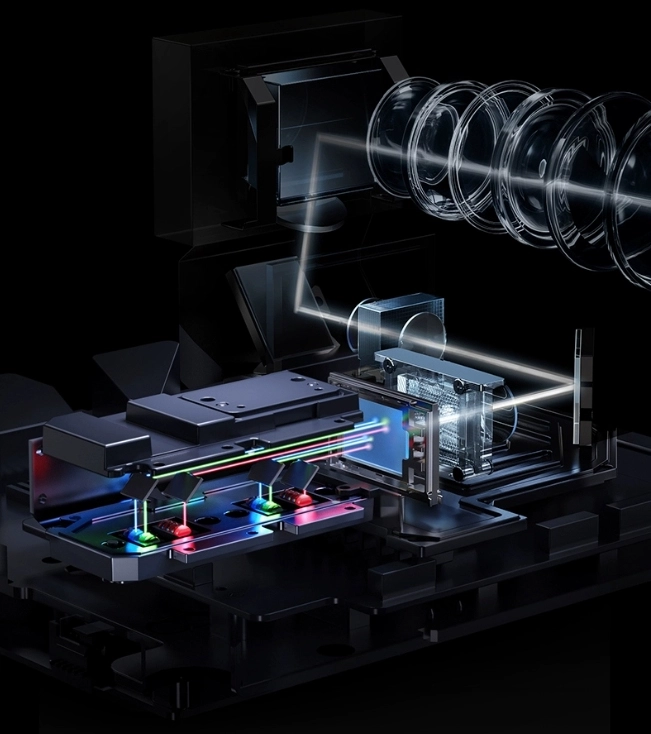
The optical engine is the core module that integrates the projection chip, light source, and optical path.
Several specialized ODM manufacturers design optical engines for global projector brands.
Major suppliers include:
Coretronic (Taiwan)
Young Optics (Taiwan)
Appotronics (China)
These companies play an important role in the projector ecosystem by providing complete optical solutions that brands can integrate into their products.
Global Smart Projector Brand Landscape
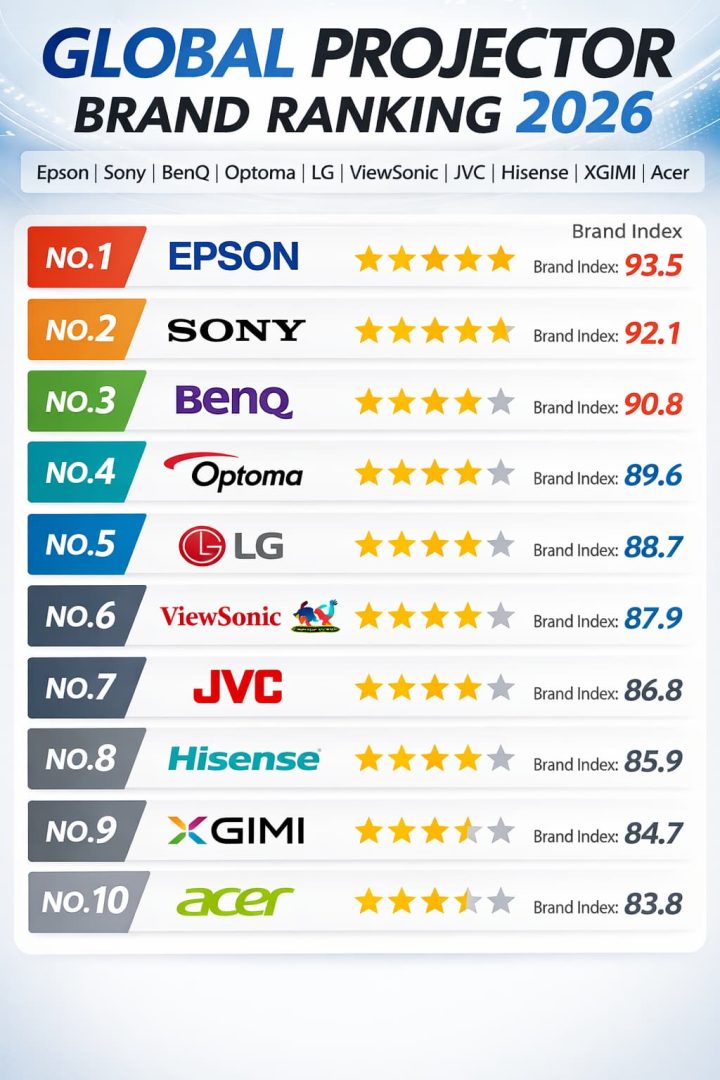
The consumer projector market includes both traditional electronics companies and emerging smart projector brands.
Traditional projector manufacturers
Epson
BenQ
Optoma
ViewSonic
LG
These brands remain strong in business, education, and home theater markets.
Smart projector brands
In recent years, smart projector companies have gained popularity by combining projection hardware with Android-based operating systems and streaming platforms.
Examples include:
XGIMI
JMGO
Dangbei
Formovie
These companies focus heavily on portable smart projectors and home entertainment systems.
Challenges in the Global Projector Supply Chain
Despite strong growth prospects, the projector industry faces several supply chain risks.
Many critical components are supplied by only a small number of manufacturers.
For example:
DLP chips are supplied mainly by Texas Instruments
3LCD panels are primarily produced by Epson
high-power laser diodes are dominated by Japanese manufacturers
Because of this concentration, supply disruptions at the component level can affect the entire industry.
Future Outlook for the Projector Industry
There are a number of anticipated influential developments in the projector industry in the near future:Laser projection will come into the commercial marketplace as manufacturing costs decrease.4K resolution will become the norm for most av (audio video) products designed for home use.The demand for mobile smart projectors will continue to rise as consumers become interested in alternate home entertainment devices.Additionally, as projection technology continues to move forward, the industries will also see innovations in optical design, display chips, and intelligent operating systems.
Laser projectors offer several benefits compared with lamp-based systems:
longer lifespan
higher brightness stability
lower maintenance requirements
better energy efficiency
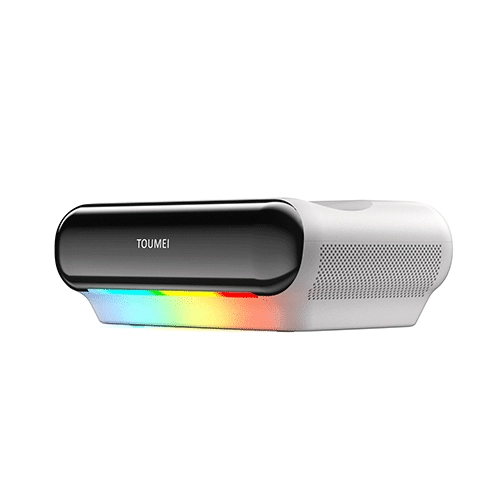
Portable smart projectors combine projection technology with built-in operating systems, wireless connectivity, and streaming apps, making them convenient for home entertainment and travel.
Full HD (1080P) remains the most common resolution for home projectors, while 4K projectors are becoming increasingly popular as prices decline.