Reasons Why a Home Theater Projector Outperforms TV Screens

Reasons Why a Home Theater Projector Outperforms TV Screens

Table of Contents

    Reasons Why a Home Theater Projector Outperforms TV Screens

    Hey movie lovers and home entertainment fans. Ever settled in front of your big-screen television, favorite snack ready, and thought, “This is nice, but what if it felt more like a real movie house?” That’s exactly where home theater projectors step in. They aren’t just fancy devices. They can completely transform how you watch films, binge series, or play games. In this piece, we’ll explore why a home theater projector frequently beats television displays. We’ll examine genuine benefits, supported by industry observations and user experiences. Keep reading – you might just reconsider your living area arrangement.

    The Immersive Experience: Bigger Isn’t Always Better, But Here It Is

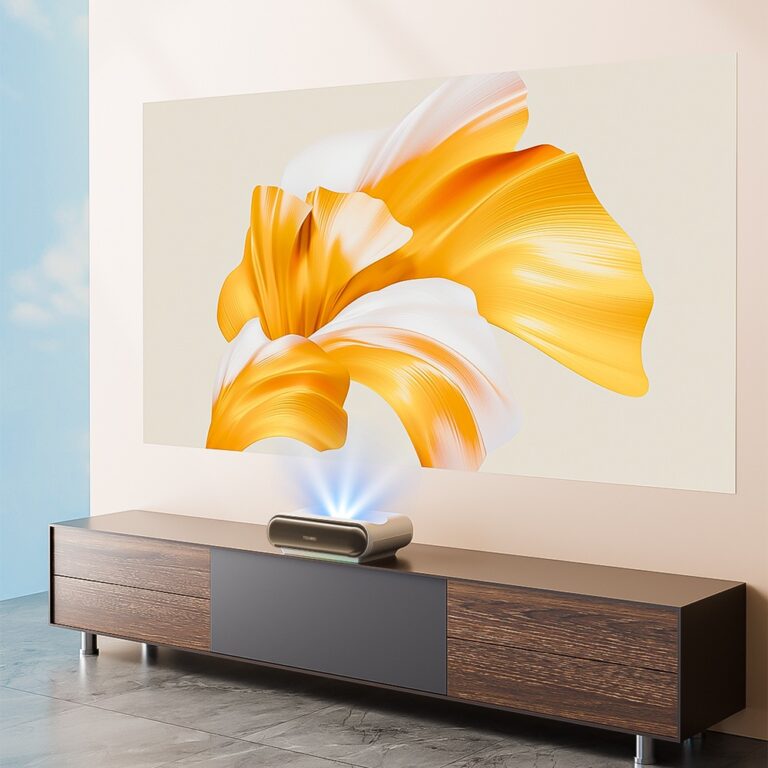
    Let’s start with the clear fact: dimensions are crucial for home viewing. Televisions currently max out around 85 or 100 inches. Even then, you need to spend a serious amount of money. A home theater projector? It can easily cast a 150-inch or even 300-inch picture onto your wall or screen. Imagine relaxing for a superhero marathon where the excitement fills the whole space. No frames, no edges – just pure involvement.

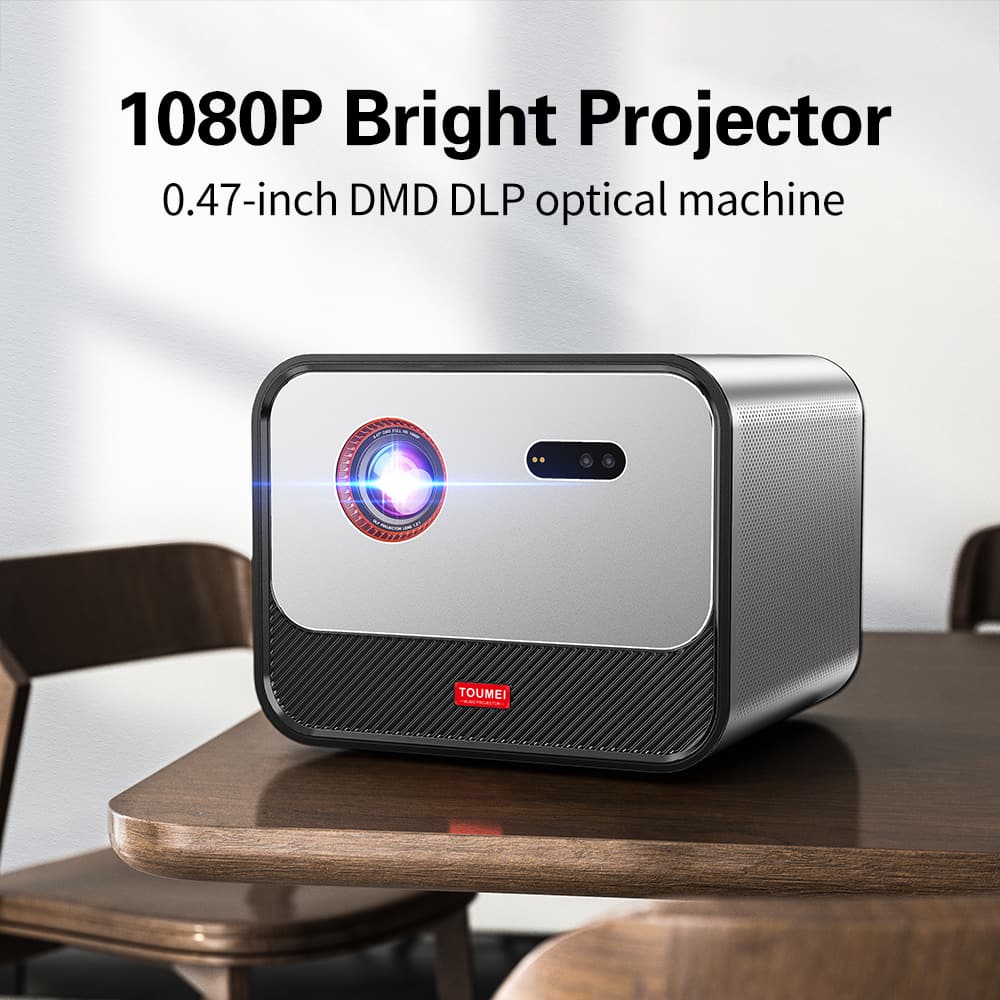
    But it isn’t solely about enormous size. Projectors using DLP technology deliver sharp, lively colors. They achieve this through small mirrors directing light. This makes that vast image stand out. Consider a unit offering 1080P resolution and 2200 ANSI lumens. Even in a room with lights on, the visuals remain clear. I recall a buddy who replaced his 65-inch television with a projector setup. He mentioned that viewing sports felt like sitting right beside the court. The noise from the spectators seemed to surround him. True, a dimmer space provides the top outcome. However, current projectors manage surrounding light much better than older versions.

    Here’s a little bonus point: projectors can turn family film nights into something wonderful. Children get really excited about the enormous picture sensation. It’s similar to converting your lower level into a small cinema. And you avoid the sticky floors.

    How Projectors Handle Different Rooms

    Not every house possesses a special viewing room, correct? Projectors are outstanding here because they’re adaptable. Short-throw types can produce a huge picture from very close. This is ideal for smaller apartments. Long-throw versions function well in more spacious areas. Compare that to a television: it’s stationary. You install it once, and that’s its spot. Projectors let you change things instantly.

    Cost Savings That Add Up Over Time

    Finances are important. High-quality televisions can cost a fortune for a premium OLED panel. A reliable home theater projector? You can grab one for under a thousand dollars. It often surpasses a mid-level television in both picture area and functions. Yes, you’ll require a projection surface or a plain wall. Those are inexpensive additions.

    Let’s examine the details with some figures:

    Feature Typical TV (65-inch) Home Theater Projector
    Upfront Cost $800-$2000 $500-$1500
    Screen Size Fixed at 65″ Up to 200″+ adjustable
    Energy Use 150-300W 85-200W (efficient models)
    Lifespan 60,000 hours backlight 20,000-30,000 hours lamp (LED lasts longer)

    See? Projectors frequently use less power, particularly LED-based ones. Replacement lamps also aren’t as costly as before. Over five years, you could save money just on electricity. Plus, if new tech emerges, replacing a projector feels less difficult than discarding a giant television.

    I once talked with a fellow at a tech exhibition. He operates a small company. He utilizes projectors for business presentations. But he adores them at home too. “Televisions are heavy to relocate,” he commented. “Projectors? Pack them for outdoor film evenings.” That easy movement saves money on multiple setups.

    Superior Image Quality in the Right Setup

    Don’t misunderstand – televisions have advanced significantly with 4K and HDR. However, projectors, especially DLP types, provide something unique: that true movie feeling. They avoid the visible grid effect found on some LCD panels. Colors appear vibrant thanks to high contrast ratios, often exceeding 10,000:1. Add capabilities like HDR10+. Then you get richer blacks and more brilliant highlights.

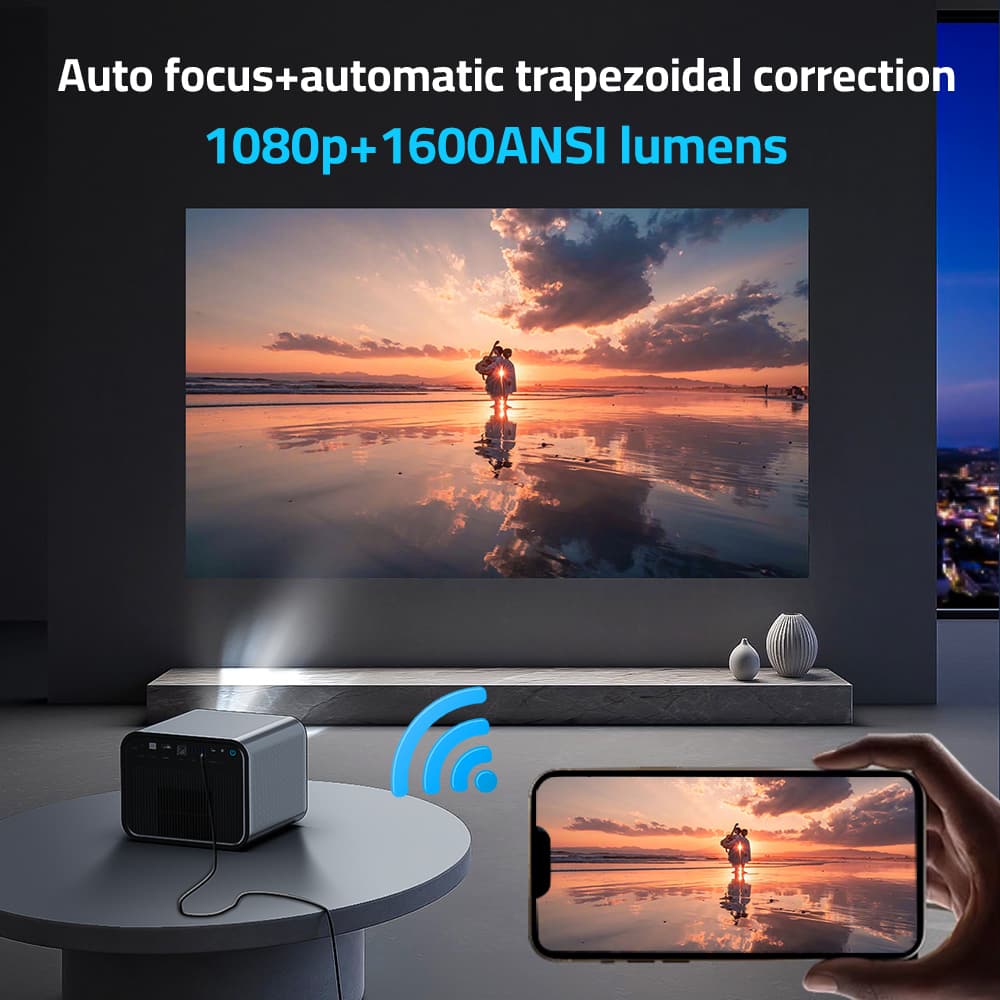
    Think about glare. Televisions sometimes reflect room lighting like glass. Projectors? The picture is beamed forward. This causes less direct reflection. In a controlled setting, it feels smooth and luxurious. Units with automatic focus and keystone adjustment make installation simple. No more adjusting angles endlessly.

    Tech Specs That Make a Difference

    • Brightness:Aim for 1800+ ANSI lumens. This copes with daytime viewing without losing clarity.
    • Resolution:Native 1080P or higher. It upgrades 4K material beautifully.
    • Sound Integration:Included speakers? Dual 10W or 20W units produce enveloping audio. Connect via Bluetooth for extra devices.
    • Smart Features:Android OS means apps like Netflix function directly on the device. No extra streaming boxes required.

    From my experience, projectors shine in dynamic range. A moment in a dark thriller? The shadows seem authentic, not unclear.

    Oh, and a quick side note: ever experienced 3D on a projector? It’s significantly more enjoyable than on televisions, which mostly abandoned that option. Put on the special glasses. Then you’re transported to another dimension.

    Flexibility and Portability for Modern Lifestyles

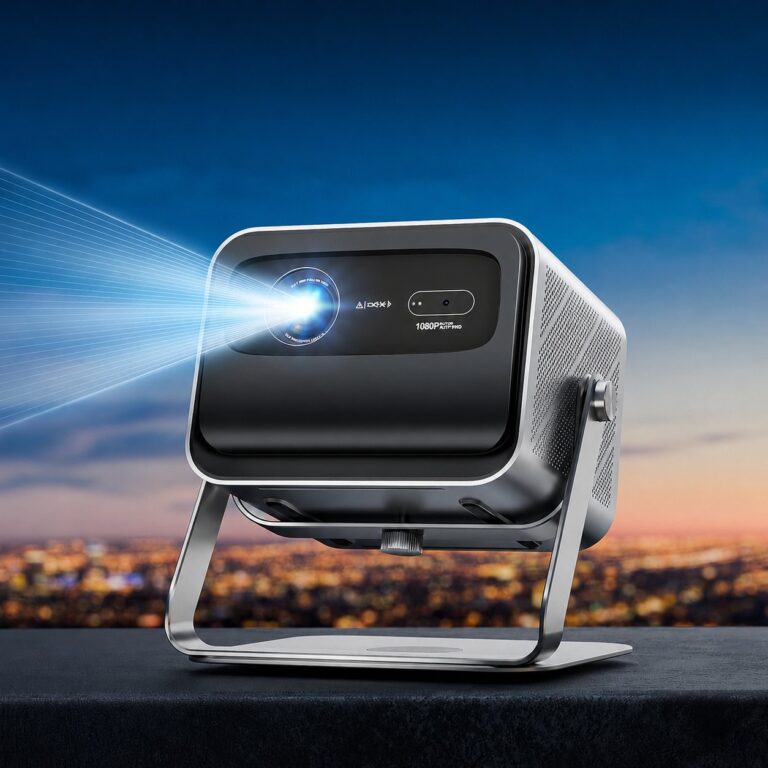
    Life moves fast. Televisions act like heavy anchors in your space. Home theater projectors? Many are easy to move, featuring built-in power sources lasting 2-3 hours. Bring one camping or to a backyard get-together. Models under 5 pounds fit inside a backpack.

    Connectivity is vital too. HDMI, USB, WiFi, Bluetooth – stream straight from your mobile phone easily. Wireless screen sharing means no messy cords across the ground. For game players, low input delay (under 20ms) keeps action responsive.

    Imagine this: Friday evening, pals visiting. Project onto the garage entrance for an open-air showing. A television can’t manage that. Or shift it to the sleeping area for late-night streaming. Adaptability is the winner.

    Health and Eye Comfort Considerations

    Looking at displays all day? Projectors might be gentler for your vision. They use soft, spread-out light instead of a direct bright source. This lessens fatigue. Some units even feature vision safety settings. These filter out harsh blue light.

    Research indicates larger pictures viewed from farther away improve posture too. No slouching over a television. Kids enjoying cartoons? A projector promotes leaning back, similar to a theater.

    But hey, nothing is flawless. Dirt can accumulate. So clean the lens sometimes. It’s a minor trade-off for the positives.

    Introducing Toumei: Your Go-To Projector Supplier
    TV Screens

    Before we finish, let’s discuss Toumei. Based in Shenzhen, China, Toumei Technology Co., Ltd. has been creating excellent DLP projectors since 2013. They are experts at everything from portable versions to high-lumen machines for home cinemas. With over 50 patents and a factory producing 150,000 units annually, they manage OEM superbly – customizing brightness, resolution, even styles for your label. Their selection includes eye-comfortable C-series portables with 180 ANSI lumens and battery life reaching 190 minutes, or the strong X5 with 2200 ANSI for open-air setups. If you’re searching for dependable, original projectors, Toumei has the solutions. Check their site for specs on models like the V7 Pro or S8.

    Conclusion

    So, there you have them – solid explanations why a home theater projector beats television displays in involvement, savings, quality, and adaptability. It isn’t about abandoning your television entirely. It’s about enhancing your system for those unique times. Whether you’re a relaxed watcher or a film enthusiast, projectors bring that exciting element home. Prepared to make the change? It might just revolutionize how you experience entertainment.

    FAQs

    What makes a home theater projector outperform TV screens in terms of screen size?

    A home theater projector can easily project images over 150 inches, way bigger than most TVs. This creates a theater-like feel right in your living room, perfect for movies or games. TVs max out around 100 inches without costing a fortune.

    Is a home theater projector better for eye health compared to TV screens?

    Yeah, often it is. Projectors use reflected light, which is easier on the eyes than the direct backlight from TVs. Many models, like those with blue light filters, help reduce strain during long sessions.

    How does the cost of a home theater projector compare to TV screens?

    Projectors can be cheaper upfront for larger effective screens. For example, a 1080P model with 2200 ANSI lumens might run $800, giving you a 200-inch display. TVs that size? They’d be way pricier, plus projectors save on power over time.

    Can a home theater projector handle outdoor use better than TV screens?

    Absolutely. Portable projectors with batteries and high brightness work great outdoors – think backyard movies. TVs aren’t built for that; they’re indoor-only and bulky to move.

    What features should I look for in a home theater projector that outperforms TV screens?

    Go for native 1080P resolution, at least 1800 ANSI lumens, auto-focus, and smart OS like Android. Extras like HDR10+ and built-in speakers make it outperform TVs in versatility and picture quality.
     

    Share This Post :

    Related Post

    RGB laser projectors are changing what people expect in the high-end home theater projector world. Their setup uses separate red, green, and blue laser light sources. This approach gives excellent accuracy in color display and steady performance over many years. The technology shows a clear move away from bulb-based or phosphor-converted laser setups. It heads toward a cleaner way to handle light. This brings movie-like realism right into living spaces. The Core Principle Behind RGB Laser Projection RGB laser projection works on the idea of creating colors on their own. Each main color—red, green, and blue—comes from its own laser diode. This setup lets each part adjust exactly without mixing issu es from one-laser or mixed designs. The outcome is a much broader color range. It can show shades that match what filmmakers wanted. In top-quality home theaters, this exactness fits cinema rules like DCI-P3 and BT.2020. The benefit goes past just accuracy. It also brings steadiness. Since each light wave stays the same, RGB laser projectors keep even light output as time passes. This steadiness stops the slow color shift seen in bulb projectors. Those shifts happen as their lights wear out and weaken. Img.RGB Laser Projectors Redefining Home Theater Projector Performance Standards.webp How RGB Lasers Enhance Visual Fidelity Image quality relies on even brightness and deep contrast. The steady quality of laser light helps here. It makes edges sharper and picture details clearer at top resolutions like 4K or 8K. The clean nature of each light wave also adds to richer darks and stronger lights. This creates a wide range of tones that pulls viewers in deeper. Premium models use smart control methods to manage strength across single picture points. This keeps no area of the image too dim or spilling over. Even brightness over the whole projected space avoids dim edges. That is a usual problem in bulb systems. In those, the middle looks brighter than the sides. When people look at portable or small projectors, they want sharp, clear pictures. They also seek high detail levels, decent sound, and strong light for use in lit rooms. This point about portable types highlights the key role of sharpness and light. RGB lasers raise these to expert levels in set home setups. Why Are Home Theater Brands Moving Toward RGB Laser Solutions? Top makers are turning more to pure RGB laser systems. Buyers want real-looking images like those in real theaters. The change shows that the tech is ready. The market is set for solid light sources. Market Shift from Lamp-Based to Laser Projection Old bulbs have clear drawbacks. They drop in light over time. They show uneven color warmth. Users must swap them out now and then. These upkeep steps raise running costs. They also break steady work. Solid-state lasers offer many thousands of hours with little drop-off. Solid State Lighting – Projector lamps contain mercury, are expensive, and need to be replaced every few years. They are being replaced by solid state light sources like lasers and high brightness LEDs that last up to 30,000 hours. This long life means less stoppage. It cuts total ownership costs. Buyers get dependability along with strong output. Competitive Differentiation Through Color Performance Color quality sets premium systems apart. RGB lasers cover almost all of the BT.2020 range. No phosphor-based option can do that. This skill works with new HDR types like HDR10+. It gives higher bright spots without too much color overload. Companies stand out in busy markets. People link bright colors with good work. Makers pair wide color range with strong dynamic range fit. They market their items as real movie stand-ins for flat screens. How Do RGB Laser Projectors Improve Brightness and Contrast Levels? Even light and deep contrast make images feel real in dim rooms common in home theaters. RGB laser projectors do well at matching these through straight light tech. The Role of Direct Laser Illumination in Brightness Control Straight laser light skips middle change steps in phosphor setups. No energy waste from change parts or light path flaws, more light hits the screen per unit of power used. It works from small ones under 100 inches to big ones over 150 inches. Smart control ways let fine tuning of each color part. Light stays even in tough scenes with both bright spots and dark areas at once. Do more lumens mean a better projector? Lumens for projectors is like horsepower in a car – it’s important but only a part of how well the projector is suited for the task. While sheer lumen count matters less than overall system design, RGB laser projectors typically achieve superior perceived brightness because their spectral efficiency enhances visual contrast even at lower nominal outputs. Achieving Cinematic Contrast Ratios at Home Contrast level decides how well soft shifts between dark shades stay clear without losing details. Separate control of red, green, and blue parts lets these projectors make darks deeper. They keep bright parts true. Bulb optics struggle to match this balance. Moving contrast methods improve output by checking scene details each frame. In dark parts, power moves to cut extra light spill. In bright parts, full power brings back energy without cutting off lights. The effect is pictures with great depth like pro digital movie setups. What Are the Engineering Challenges Behind RGB Laser Integration? Even with strong benefits, fitting separate-laser designs into small home units brings big build issues. These tie to heat control and light path exactness. Managing Heat Dissipation and Optical Alignment Strong diodes make a lot of heat. They need top heat control with liquid flow systems or heat tube setups. Keeping steady heat points ensures even light wave output. That is key for right color blend. Light path matching adds more trouble. Three beams must meet exactly on one focus spot. They avoid color shifts or spread over time. Makers use tiny change tools linked with check sensors. These hold match accuracy against build strain or outside changes like heat shifts. Balancing Cost Efficiency with Performance Goals Pure-laser parts need high-end light tools. These include color-split mirrors and beam joiners that handle strong steady light without wear. These raise starting build costs over mixed designs. Yet they promise top light cleanness. Current studies aim at block designs. They make swappable light parts that ease later fixes or adds. This cuts build steps in making batches. As more use spreads among home theater makers, cost per light unit should drop bit by bit. How Does RGB Laser Technology Influence Image Longevity and Maintenance? Strength stands as a top draw for solid-state light tech. It targets fans who want steady work over long periods. Long-Term Stability of Laser Light Sources Lasers differ from bulbs in how they fade. They avoid quick light drop after few hundred hours. Instead, they show slow weakening over many thousands of hours. They keep color balance. LED technology avoids dimming projector issues, allowing smart projectors to shine brightly for up to 30,000 hours. Although referring specifically to LED systems, this principle applies equally—and often more effectively—to direct-laser configurations which sustain luminous intensity longer due to lower thermal cycling stress on emitters. Steady light output cuts the need for re-sets. After first setup during install, an RGB system holds its base light point much longer than bulb units hit by light aging. Maintenance Advantages for End Users and Installers Closed light engines block dust entry. That is a main cause of picture flaws like spots or fog on inner lenses. Far-off checks through net links give early fix warnings before issues show. For setup experts handling many sites or high-end home blends, this far-off work cuts visit needs. It keeps running time strong as expected from top electronics buys. How Will Emerging Standards Shape the Future of RGB Laser Projectors? Screen rules keep growing toward higher details (8K) and wider tone ranges (Dolby Vision). Pure-laser build ways are well set to meet these. Their growth in light wave exactness and control speed helps. Compatibility with Next-Generation Display Formats 8K detail needs exact point lines. This works only when light stays steady across tiny edges. Lasers do this well compared to spread LED groups or spark bulbs. Plus, BT.2020-level color cover ensures fit with future HDR10+ work flows from studios making super-high-detail streams. Flexible software setups let makers push changes. These match projector work with new air rules without part swaps. The guards buys against old-style loss in home tech areas. Img.RGB Laser Projectors Redefining Home Theater Projector.webp Integration with Smart Home Ecosystems and AI Calibration Systems New home theater networks lean on auto systems. These blend light control, sound match, and space checks under one setup like Alexa or Google Home networks. AI-based setup in coming projectors watches room states all the time. It tweaks tone lines or light balance based on found wall shine or room light levels. Data checks from use records give early wear spot info. This spots part fade long before breaks happen. It boosts strength traits key for high-cost setups where stoppage links straight to user upset. Conclusion: The Strategic Value of Adopting RGB Laser Projection Technology RGB laser projectors mix build exactness with sight quality no past tech can match. Their skill to give true movie feels through full color truth sets them as base changes. They redefine top home fun work rules in luxury home markets around the world. FAQs about RGB Laser Projectors
    RGB Laser Projectors Redefining Home Theater Projector Performance Standards
    Exploring RGB Laser Projectors and Lamp Evolution in Modern Projection
    Exploring RGB Laser Projectors and Lamp Evolution in Modern Projection
    The Top 10 Chinese Projector Manufacturers in 2026 Expert Ranking & Future Trends
    How to Choose a Projector Manufacturer: Avoid These 7 Costly Mistakes in 2026

    TAGS

    Contact us

    Get A Quote

    Contact us for quotes and specs

    we will give you a quote within 24 hours