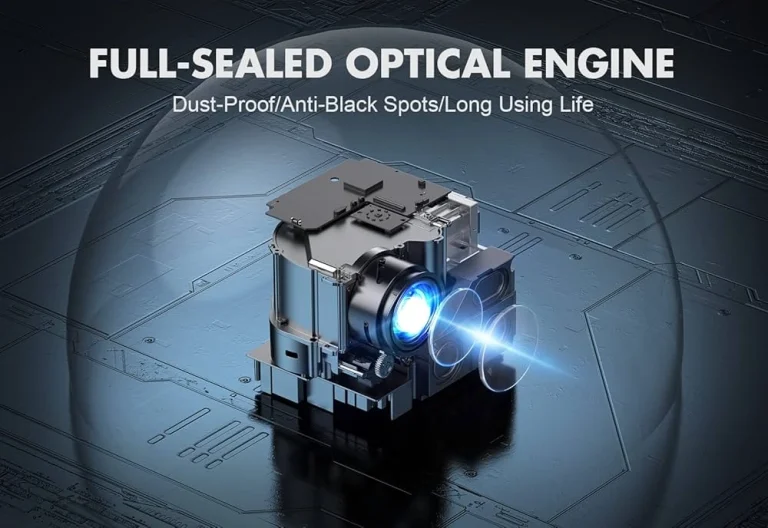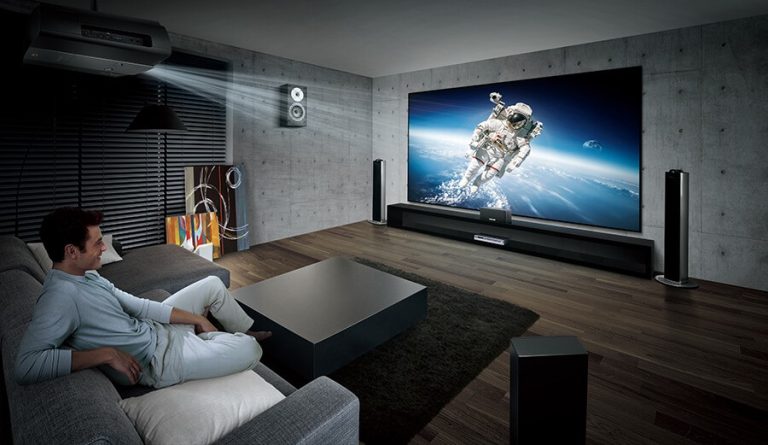
Commercial deployments—boardrooms with steady traffic, classrooms dealing with residual chalk particles, hotel lobbies cycling content day and night—share recurring field problems. Dust works its way into open optical compartments, lands on the DMD chip or lenses, and generates black spots that compromise clarity. Brightness drops unevenly, colors drift toward yellow after extended runtimes, and service interventions become routine. Procurement teams handling business, education, or hospitality projects see these factors push up total cost through repeated repairs, operational pauses at inconvenient moments, and accelerated replacement schedules. Heading into 2026, fully sealed optical engine technology has solidified as the field-tested countermeasure spreading through the industry. The design completely isolates the light path, guarding essential elements against contaminants and pushing service intervals much further. Shenzhen Toumei Technology Co., Ltd. integrates proven optical sealing techniques into its DLP projector range, yielding dependable results in settings where conventional open structures routinely underperform.
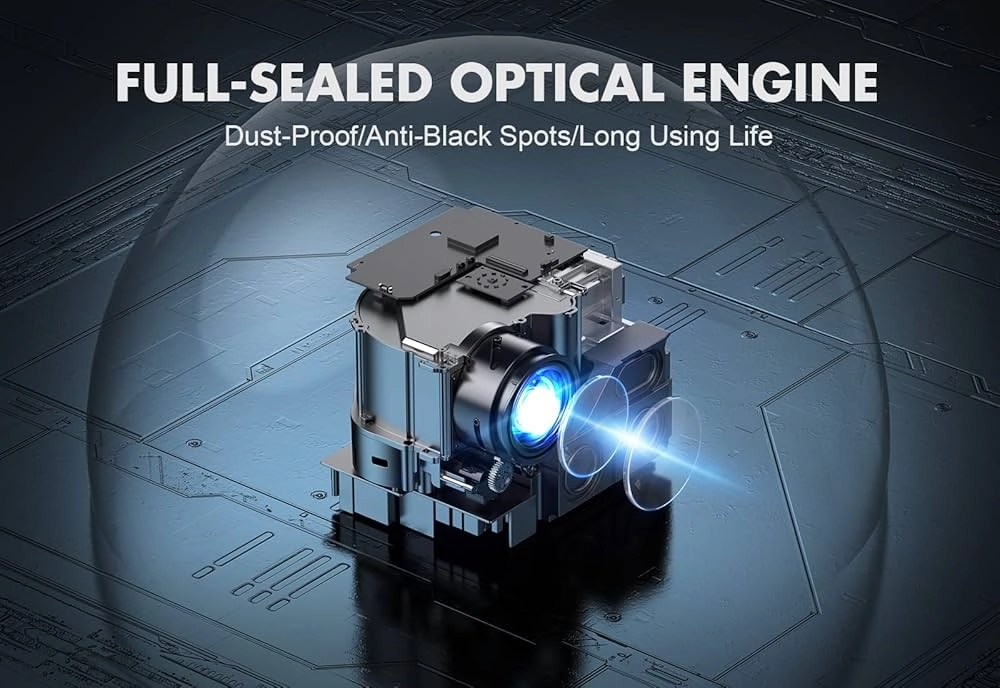
What Is a Fully Sealed Optical Engine? Quick Technical Overview
The fully sealed optical engine houses the projection pathway—mirrors, DLP DMD chip, color wheel, and lenses—inside an airtight enclosure. Outside air stays excluded from this zone, severing the chief route for dust, moisture, or debris to contact critical surfaces. Standard open architectures count on filters and high-volume fans to curb ingress, but filters load up over months, and minor gaps still permit accumulation on imaging components.
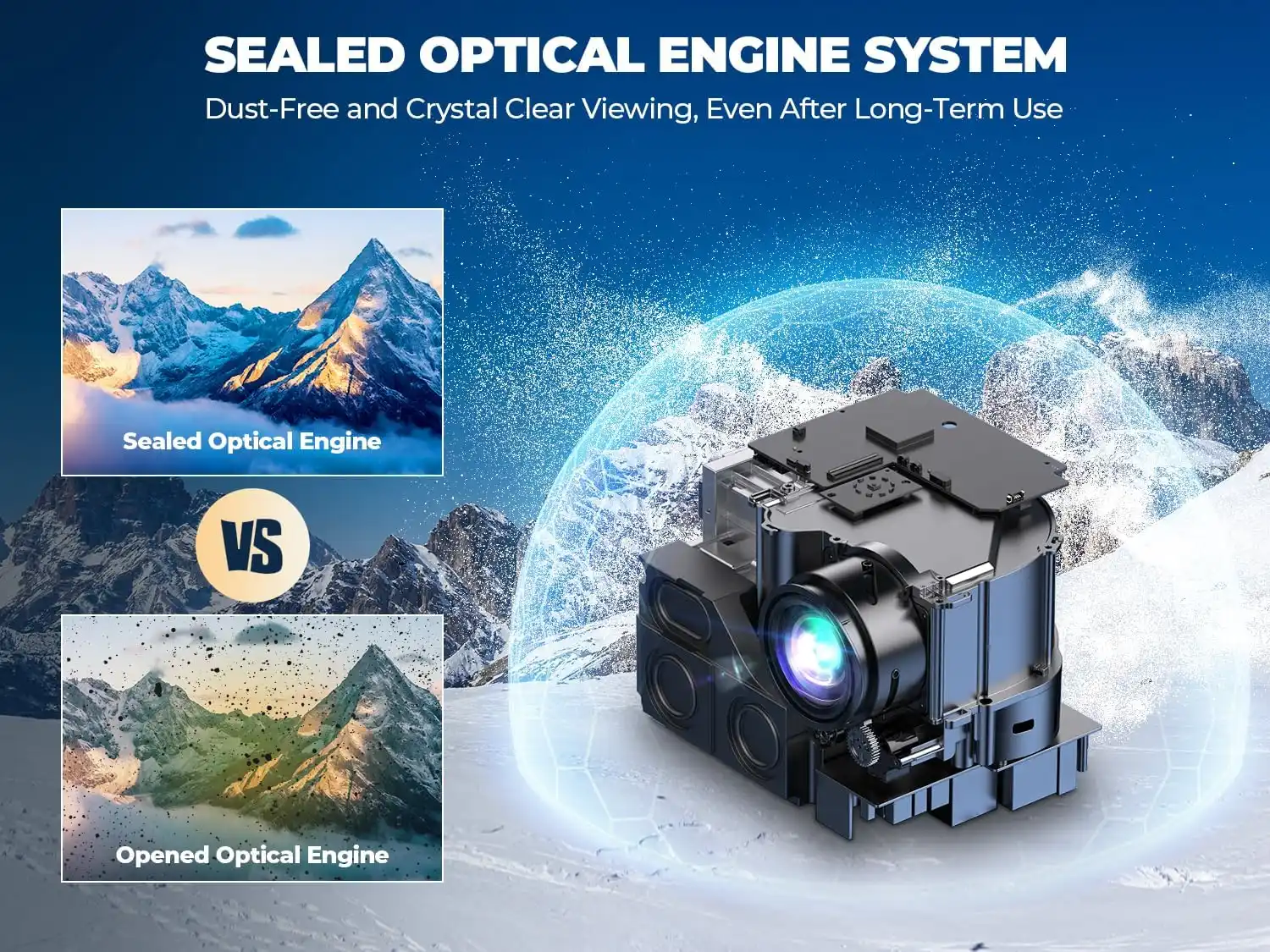
Sealed construction sustains a protected internal environment over the long haul. For DLP projectors, the approach aligns well with the micromirror chip’s built-in tolerance for certain wear modes. Brightness and color hold firm through prolonged operation, commonly clearing 20,000 to 30,000 hours with little perceptible falloff. Direct comparisons demonstrate sealed projectors retaining sharp edges and balanced illumination well beyond the point where open designs start displaying visible defects.
Top Pain Points in Traditional Projectors That Businesses Hate
Dust ingress tops the list of persistent complaints in commercial environments. Moderate particle loads—urban offices with street-level intake, training rooms near active sites, exhibit halls with crowds—let contaminants penetrate open optical paths in short order. Deposited dust etches permanent black spots into projections, interrupting presentations, videos, or signage and demanding component-level fixes.
Color shifts emerge early. Open LCD projectors tend to show yellowing or hue imbalances after 5,000–10,000 hours, especially in nonstop duty. Business operators notice white-balance drift in ongoing displays or digital content, prompting swaps ahead of schedule.
Maintenance cycles add ongoing strain. Planned filter servicing or internal checks take units offline, rack up technician fees, and cause workflow halts. Education deployments lose class time; hospitality sees guest-area content suffer.
Cooling fans ramp up noise as dust hampers efficiency. Low acoustic levels matter in conference settings or small lecture spaces, yet traditional units frequently exceed acceptable thresholds after moderate use.
Installation constraints tighten from cooling bulk or environmental sensitivity. Tight retail displays, hotel function rooms, or overhead mounts grow challenging.
Field longevity deviates sharply from bench specs in everyday conditions. Continuous commercial runs accelerate decline, inflating procurement budgets for bulk purchasers.
How Fully Sealed Optical Engine Solves These Problems – Key Benefits Breakdown
Dust exclusion provides the most straightforward relief. The enclosed light path stops particle access outright, halting black spots and preserving clean projection output. Field logs from contaminated sites record sharp drops in service tickets, with units often exceeding several years without attention.
Color fidelity and brightness consistency advance noticeably. Without contaminant disruption, performance stays uniform across extended periods. This stability underpins reliable branding in signage or precise instructional visuals in education.
Upkeep costs fall significantly. Filters drop from the equation, and internal servicing becomes rare. Operators track lower spare-part usage and labor hours, frequently achieving breakeven within the first year in high-duty applications.
Acoustic performance improves via smarter external airflow. Reduced fan demands keep noise low, fitting noise-critical boardrooms or classrooms.
Thermal handling gains from the sealed layout. External cooling manages heat without overburdening internal parts, limiting performance dips in marathon sessions.
Mounting options broaden. Compact, sealed builds support diverse placements—ceiling in schools, shelf in stores, stand in events—free from environmental penalties.
Resilience in tough conditions carries weight for commercial sourcing. Projectors manage 24/7 duty in museums or hospitality without progressive quality loss.
Sealed Optical Engine in DLP vs LCD – Why DLP + Sealed Wins for Commercial Use
DLP systems, revolving around Texas Instruments micromirror arrays, deliver native high contrast and durability against organic degradation unmatched by LCD panels. Pairing with a fully sealed optical engine heightens these traits. The DMD chip avoids dust artifacts, and the isolated path maintains crisp, fluid imagery inherent to DLP.
LCD configurations, even with sealing attempts, grapple with polarizer and crystal-layer susceptibilities that worsen under exposure. Contaminants hasten uneven wear in open or hybrid setups. DLP foundations bypass these pitfalls, creating a more solid platform for ongoing commercial dependability.
In business and education contexts, the integration handles intensive workloads. High-definition material stays readable for complex diagrams or training footage, and lack of degradable layers cuts burn-in or fade risks. Lifecycle analyses spanning 5–10 years often favor sealed DLP for wholesale cost projections.
Real-World Applications: Where Fully Sealed Projectors Deliver the Most Value
Education setups capture major gains. Classrooms and seminar spaces face variable air quality, but instructors need reliable, clear output without mid-cycle fixes. Sealed DLP projectors complete terms uninterrupted.
Corporate meeting sequences require consistent uptime through successive bookings. City-office dust or HVAC particulates threaten regularly, yet sealed engines sustain professional-grade presentations with little interference.
Hospitality venues—hotels, resorts, convention centers—operate nonstop signage or event projections. Sealed builds endure lobby contaminants and heavy cycles, upholding guest-facing standards.
Retail stores and museum displays call for adaptable positioning and lasting steadiness. Projectors showcase products or exhibits in busy zones without cumulative degradation.
Portable configurations for commercial events or interim training add flexibility, merging dust tolerance with easy relocation in mixed conditions.
How to Choose a Reliable Fully Sealed Optical Engine Projector in 2026
Confirm authentic full enclosure of the optical path—bypass models leaning on filters or incomplete barriers. Favor DLP builds with Texas Instruments DMD chips, which mesh effectively with sealed designs for greater endurance.
Aim for documented lifespans beyond 20,000 hours with controlled brightness loss in practical testing. Secure quiet ratings, ideally below 30 dB in eco settings, for acoustic-sensitive locations.
Review connectivity and intelligence—Android or Google TV ecosystems, Bluetooth, laser autofocus, wireless casting—that ease integration across commercial variants.
Disregard loose “dust-resistant” phrasing lacking sealed engine specifics or independent verification.
Evaluate vendor expertise in customization and small-batch wholesale, enabling project-tailored configurations for education, business, or hospitality demands.
Shenzhen Toumei Technology Co., Ltd. – A Trusted Partner in DLP Projection Solutions
Established in 2013 and headquartered in Shenzhen, China, Shenzhen Toumei Technology Co., Ltd. focuses on DLP smart projection leveraging Texas Instruments micromirror technology. The company merges research, in-house manufacturing, and sales, operating its own production lines with monthly capacity surpassing 20,000 units. Over 50 patents highlight continued progress in optical, software, and hardware areas.
Toumei supplies customized projector solutions to international brands, distributors, and B2B clients. Comprehensive quality protocols, encompassing complete-unit checks and environmental standards, support uniform performance. The range covers portable battery models, high-lumen smart projectors with Android or Google TV options, and forthcoming ultra-short throw laser units, all adaptable for home entertainment, business presentations, educational environments, and commercial displays. Recognized as a high-tech enterprise with national quality system certification, Toumei commits to durable, configurable DLP projectors reinforced by full OEM capabilities.
Conclusion
Fully sealed optical engine technology tackles entrenched projection issues—particle intrusion, color variance, heavy servicing—establishing itself as a pivotal direction through 2026 and onward. In professional and commercial arenas, where reliability ties straight to operations and financial control, this method generates clear advantages via extended duty cycles, steady output, and reduced cumulative expenses. Sourcing groups pursuing solid projection gear discover sealed DLP arrangements deliver a pragmatic, high-return option. Shenzhen Toumei Technology Co., Ltd. backs these requirements with sturdy, versatile projectors designed for enduring field performance.