Search for the “best projector” online, and you’ll hit a wall of legacy retail giants. Epson, BenQ, and Sony dominate the first page. For the average consumer looking to upgrade their living room, these brands build killer hardware.
But if you’re an AV distributor, an electronics brand owner, or a commercial integrator, playing the retail game is a dead end.
When you push off-the-shelf tier-one projectors, you trade your profit margins for their logo. You can't touch the firmware. You can't lock the UI for a hotel client. And most importantly, you have zero control over pricing.
Here is the quiet reality of the projector supply chain, and why the smart money is moving straight to direct ODM (Original Design Manufacturer) partnerships.
The Legacy Brand Margin Trap
“You move tier-one boxes to keep the lights on, but you build your own brand to buy the building.” — The reality of AV distribution.Let’s talk about the elephant in the room with household names:
Epson (The 3LCD Heavyweight): Epson’s 3LCD tech is great at pushing equal white and color brightness. The catch? The optical engines are massive. If your market is begging for sleek, battery-powered smart projectors, 3LCD simply can't shrink down enough to compete.
BenQ & Optoma (The DLP Standard): These guys make fantastic single-chip DLP units. The problem? The margin spread. By the time a unit makes its way through global marketing overhead and multi-tier distribution networks, your cut is razor-thin.
The Firmware Lockout: Try asking a legacy brand to flash a custom Android launcher for your commercial project. You'll get a hard no. You are forced to build your business around their product, rather than the other way around.
The Engineering Reality: Why Direct Factories Win
Bypassing retail brands fixes the margin problem, but the hardware still has to perform. When you source directly from specialized DLP factories, you get to control the two things that actually move the needle on product longevity.
Stopping the RMA Bleed with Sealed Optics
Most cheap LCD projectors pull room air directly across the display panel. Dust settles on the polarizing filters, the heat bakes it in, and the image develops ugly brown burn-in spots within months.
Professional ODM manufacturers fix this by using Hermetically Sealed DLP Optical Engines. The DMD chip and lens array sit inside an IP5X-rated, dust-proof chamber. The internal components never touch outside air. Your RMA (Return Merchandise Authorization) rate drops to near zero, and the hardware easily pushes past 30,000 hours.
Calling the Shots on Silicon
Working directly with a manufacturer means you control the BOM (Bill of Materials). You pick the exact Texas Instruments DMD chip that fits your price point:
0.23″ DMD: The undisputed champ for ultra-portable, lightweight travel units.
0.33″ DMD: The high-value sweet spot for native 1080p smart home setups.
0.47″ DMD: The bedrock for high-lumen, pixel-shifted 4K flagship models.
The TOUMEI Advantage: Build Your Own Equity
You don't need a massive R&D war chest to launch a private label projector line. You just need the right backend partner.
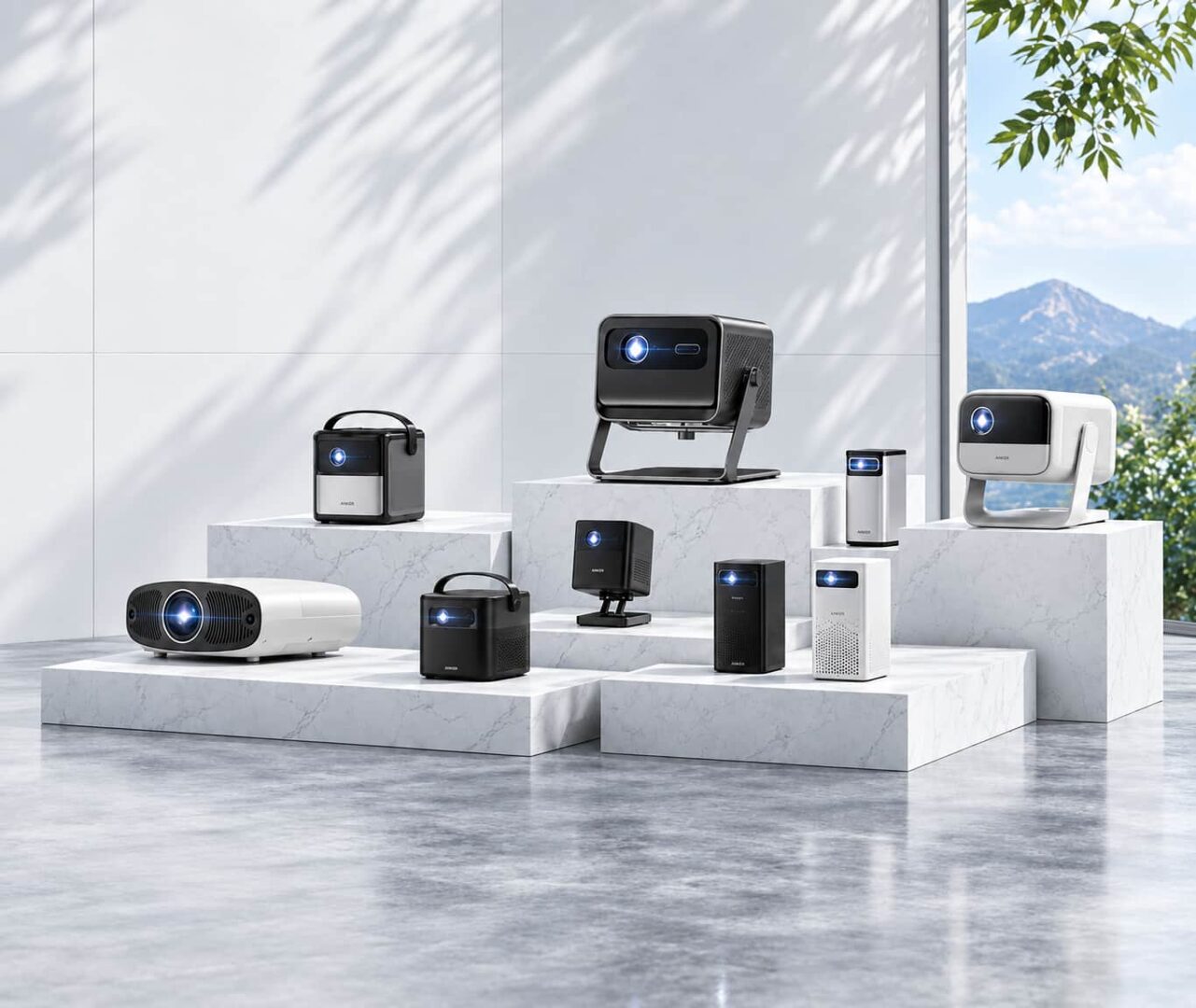
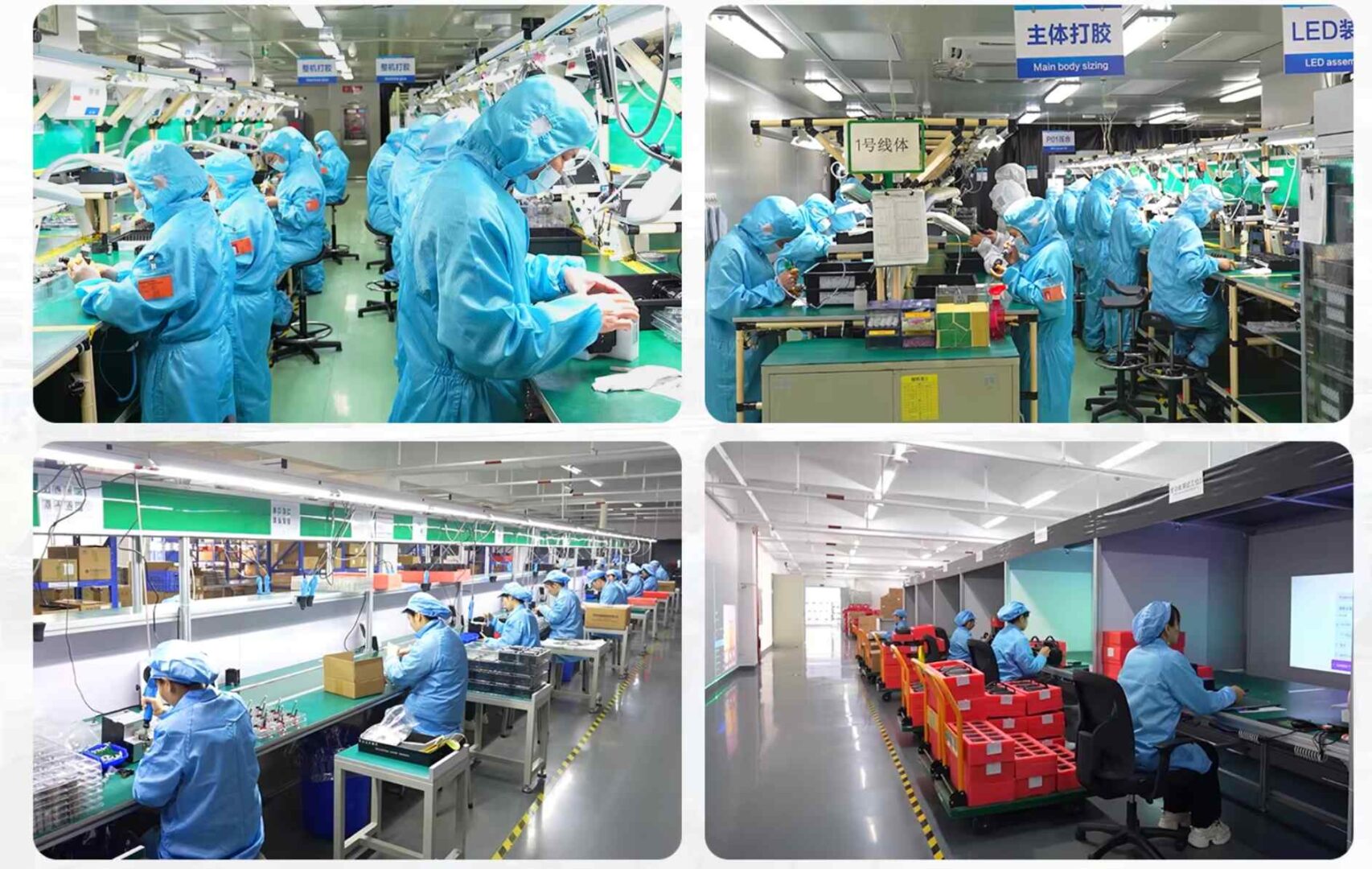
Operating out of Shenzhen, TOUMEI isn't a consumer brand trying to compete with you. We are an integrated ODM facility strictly focused on DLP optical design and smart projection mainboards.
What factory-direct sourcing actually looks like:
Total White-Label Freedom: We customize the CNC housing, acoustic fabric, and boot sequence so it’s 100% yours.
Software Ownership: We integrate certified Android TV or Google TV platforms and bake your custom UI directly into the firmware.
Aggressive Margins: Cutting out the middlemen means you get direct-from-factory pricing, giving you the leverage to win public tenders and undercut regional competitors.
Stop leaving money on the table. The most profitable projector in your lineup should be the one with your name on it.
Retail brands like Epson and BenQ spend millions on global consumer marketing, which is baked into the wholesale price. By the time regional distributors and integrators purchase the hardware, the remaining margin is often restricted by MAP (Minimum Advertised Price) policies, leaving little room for sustainable profit compared to direct OEM sourcing.
A hermetically sealed DLP optical engine prevents dust from entering the light path and settling on the DMD chip or color wheel. This completely eliminates the "black spots" and yellow burn-in commonly seen on traditional open-air LCD projectors, drastically reducing maintenance costs and RMA (return) rates.
Yes. Unlike legacy brands that lock their firmware, working with a direct ODM like TOUMEI allows you to customize the boot logo, pre-install specific commercial APKs, and design a custom launcher or UI tailored to your specific project (e.g., hotel hospitality screens or educational dashboards).
The choice depends on your target market. 0.23" chips are ideal for low-cost, battery-powered mini projectors. 0.33" chips offer the best balance of cost and performance for 1080p home theater units. 0.47" chips are required for premium, high-brightness 4K projection systems.
Ready to bypass the retail markup?
Talk to the TOUMEI engineering team today. Let's review our catalog of sealed DLP platforms and map out realistic batch pricing and lead times for your next project.