Standard throw vs short throw vs ultra short throw projectors continues to rank among the most critical choices in commercial AV procurement. Throw distance controls exactly how much physical room the system occupies, how shadows disrupt presentations, and the amount of wiring or ceiling work the job actually requires. In 2026 laser sources have lifted brightness levels while smart integration has settled into standard practice. The right selection keeps projects on schedule and within budget while delivering steady image quality without forcing major room alterations.
Understanding Projector Throw Ratio: The Foundation of Space Planning
Throw ratio sets the precise distance a projector needs to generate a given screen width. The number, shown as 1.2:1 for instance, means the lens must sit 1.2 units away to produce one unit of image width. Higher ratios demand more clearance. Lower ratios unlock tighter locations.
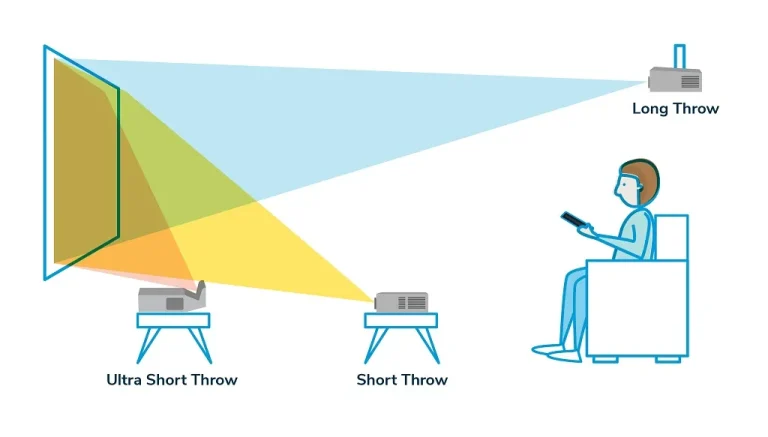
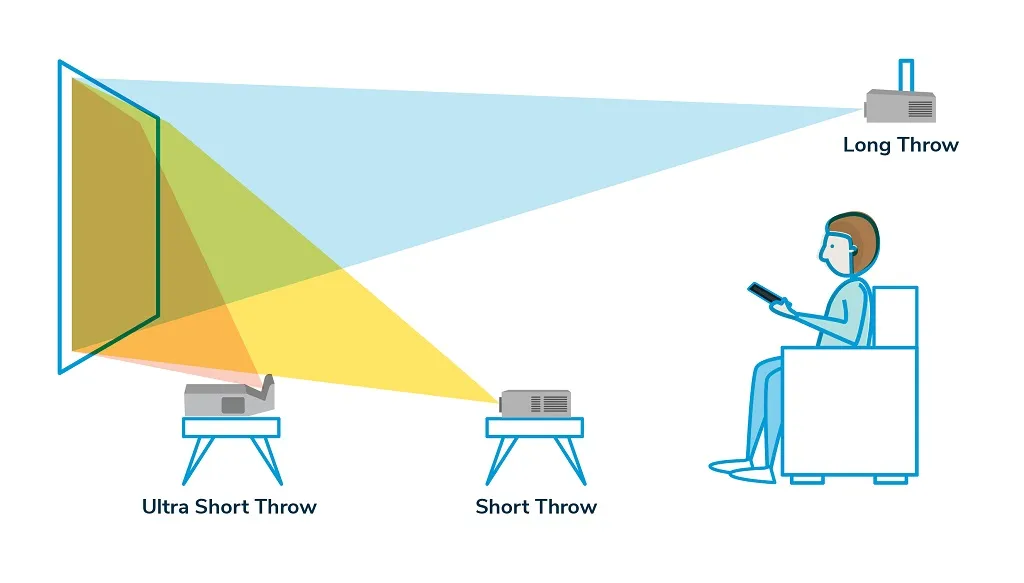
Standard throw projectors normally run above 1.0:1, most often landing between 1.2:1 and 2.0:1. Short throw models occupy the 0.4:1 to 1.0:1 band. Ultra short throw projectors drop below 0.4:1, frequently settling near 0.23:1. These figures convert directly into on-site placement limits.
A 100-inch diagonal 16:9 screen remains the benchmark used in nearly every commercial bid. Standard throw at 1.2:1 typically requires eight to ten feet from lens to screen surface. Short throw cuts that distance to three to six feet. Ultra short throw projectors reach the same size from ten to twenty inches. The gap widens quickly on larger screens. A 120-inch image can push standard throw past twelve feet while ultra short throw stays comfortably under two feet.
In daily commercial work these distances create immediate restrictions. Conference rooms with fixed furniture, classrooms with front-row seating, or lobby displays on narrow walls run into trouble fast when clearance runs short. Longer throws generate shadows from staff movement or ceiling beams. Cable runs stretch and add cost. Laser brightness gains in 2026 help manage ambient light, yet placement still governs the final user experience.
Standard Throw Projectors: Reliable Performance in Larger Spaces
Standard throw projectors continue to serve venues that offer generous clearance. Ratios above 1.0:1 support wide zoom ranges and lens shift, letting installers mount units high on ceilings or far back on rear walls. Heat and fan noise stay away from the audience area.
These systems perform solidly in auditoriums, large boardrooms, and event halls where screens exceed 150 inches. Brightness frequently surpasses 3000 ANSI lumens and handles daylight conditions with suitable surfaces. Compatibility stays broad because off-axis projection creates fewer geometric issues.
Limitations surface quickly in compact footprints. Required clearance consumes floor or ceiling space. Shadows form whenever someone crosses the projection path. Cable runs lengthen and raise expense. When bid specifications limit distance below eight feet for a 100-inch image, standard throw quickly loses practicality.
Short Throw Projectors: Balanced Solution for Medium-Sized Rooms
Short throw projectors fill the middle ground required by many education and training installations. Ratios from 0.4:1 to 1.0:1 deliver 100-inch images from four to eight feet away. This range fits classrooms, mid-size meeting spaces, and collaborative areas where full standard clearance cannot be met.
Mounting closer to the screen reduces shadows and simplifies ceiling brackets above whiteboards or interactive panels. Cable management shortens. Brightness in current short throw models commonly reaches 2000 to 4000 ANSI lumens, enough for typical daytime use with proper screens.
Off-axis sensitivity remains the primary trade-off. Keystone correction and lens shift reduce distortion, yet image uniformity can vary without a flat surface. Some projects still need ambient light rejecting materials to hold contrast. For rooms that require moderate distance savings without extreme proximity, short throw consistently delivers dependable results.
Ultra Short Throw Projectors: Maximum Impact in Limited Spaces
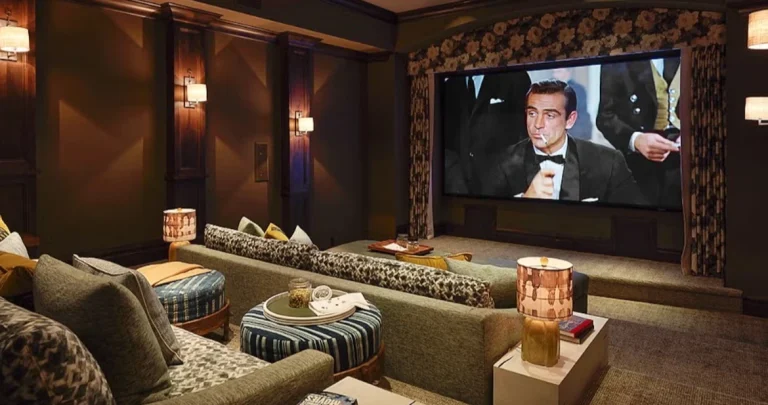
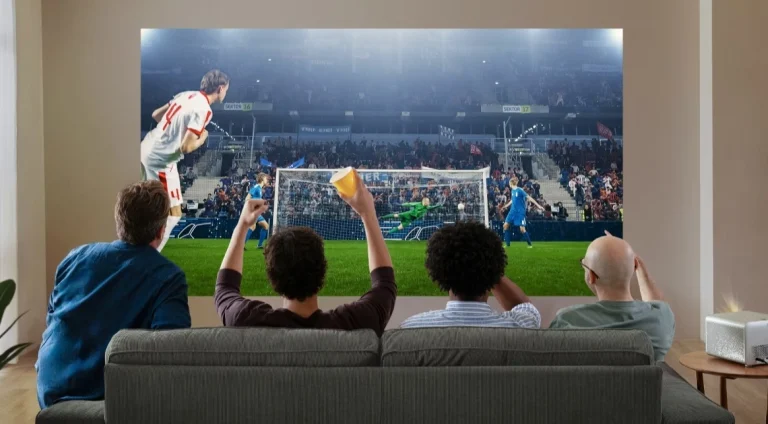
Ultra short throw projectors change the rules in space-limited environments. Ratios below 0.4:1, often around 0.23:1, produce 100-inch or larger images from ten to twenty-five inches. The unit sits almost flush to the wall or credenza, giving a clean television-like presence that does not crowd the room layout.
Conference rooms gain open pathways because presenters stand beside the image instead of blocking it. Classrooms recover front-row space for student interaction. Retail digital signage fits narrow corridors without protruding hardware. Laser sources in ultra short throw projector 2026 models routinely deliver 2000-plus ANSI lumens, lifespans beyond 20,000 hours, and stable colour across extended operation.
Precise alignment becomes essential. The projector must sit level and square to the screen. Ambient light rejecting or contrast-enhancing screens turn necessary to control reflections and maintain black levels. Upfront costs rise slightly from specialised mounts and screen requirements, yet lifetime savings emerge through lower maintenance and eliminated structural changes.
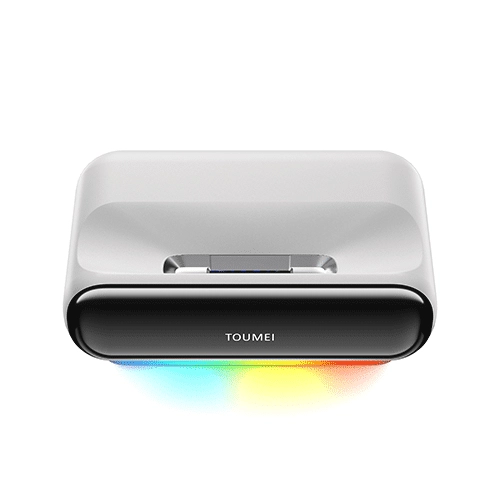
The S1 UST DLP Projector demonstrates current capability in this category. Native 1920×1080P resolution pairs with 600 ANSI lumens output from a 0.23-inch DMD chip. Global MEMC motion compensation keeps fast content smooth. Optional Google TV integration adds streaming without extra hardware. 3D support expands training or simulation uses. These specifications suit both direct deployments and OEM customisation programmes.
Head-to-Head Comparison: Throw Types at a Glance
Throw ratio sets placement boundaries. Standard throw works in expansive venues with ratios over 1.0:1 and distances beyond eight feet for 100 inches. Short throw fits medium rooms between 0.4:1 and 1.0:1, needing three to eight feet. Ultra short throw dominates tight areas below 0.4:1, usually under two feet.
Brightness potential has converged in recent years, with laser ultra short throw projector 2026 models now matching many standard and short throw units. Screen requirements shift accordingly: standard and short throw accept matte white surfaces, while ultra short throw benefits strongly from ALR or CLR materials. Installation cost includes both projector price and mounting complexity. Customisation flexibility matters most for procurement teams evaluating white-label or branded solutions.
Which Projector Type Fits Your Project? A Practical Decision Framework
Space measurement drives the decision. Record the maximum available lens-to-screen distance before finalising specifications. Under three feet points directly to ultra short throw. Three to eight feet opens short throw options. Beyond eight feet unlocks standard throw advantages.
Room function adds the next layer. Collaborative conference rooms favour ultra short throw to keep walkways clear. Training classrooms benefit from short throw mounted above presentation walls. Large halls justify standard throw for adjustable zoom. Budget calculations include screen compatibility because ultra short throw setups require specialised surfaces.
Ambient light levels further refine selection. Laser-based ultra short throw projector models handle moderate daylight in smaller footprints. For bulk procurement, OEM depth becomes decisive. Manufacturers controlling the full optical chain deliver consistent quality across throw types and shorten lead times for custom orders.
Shenzhen Toumei Technology Co., Ltd.: A Focused DLP Projector Manufacturer
Shenzhen Toumei Technology Co., Ltd. has concentrated on DLP smart projectors since its founding in 2013 in Longhua District, Shenzhen. The dedicated production base supports monthly output above 20,000 units. More than 50 patents protect optical and software advances. Official partnership with Texas Instruments brings DLP micromirror technology into every unit.
Recognition as a national high-tech enterprise since 2019 and achievement of National Quality System Certification in 2025 confirm manufacturing discipline. The complete OEM process spans optical engineering, structural design, mold fabrication, assembly, and final validation. This integrated approach shortens development timelines for distributors and brand partners seeking tailored DLP solutions, including ultra short throw configurations aligned with 2026 market requirements.
Conclusion
Throw type selection determines installation success, image performance, and ongoing usability. Standard throw projectors manage large venues effectively. Short throw models adapt to medium spaces while reducing shadows. Ultra short throw projectors open compact areas, particularly with laser brightness improvements seen in 2026. Early distance measurement, ambient light assessment, and screen compatibility review lead to the appropriate solution. For commercial projects demanding consistent DLP performance and customisation range, manufacturers with proven full-chain capabilities provide reliable supply paths.