Ultra short throw projectors are no longer a niche display category. They are now part of mainstream conversations in home entertainment, education, meeting rooms, and retail display because they can create large images from a very short distance while keeping installation clean and simple. For companies planning to launch their own projector brand, sell through an independent website, or expand through Amazon and other e‑commerce channels, the category is especially attractive because it combines clear end‑user demand with growing OEM/ODM opportunities.
If you are researching the market as a U.S. buyer, distributor, brand owner, or private‑label seller, this guide explains what an ultra short throw projector is, why it costs more, how the technology works, which brands shape the market, what real users say on Reddit, and where OEM/ODM manufacturing fits into the bigger picture.
Should you consider an ultra short throw projector at all?
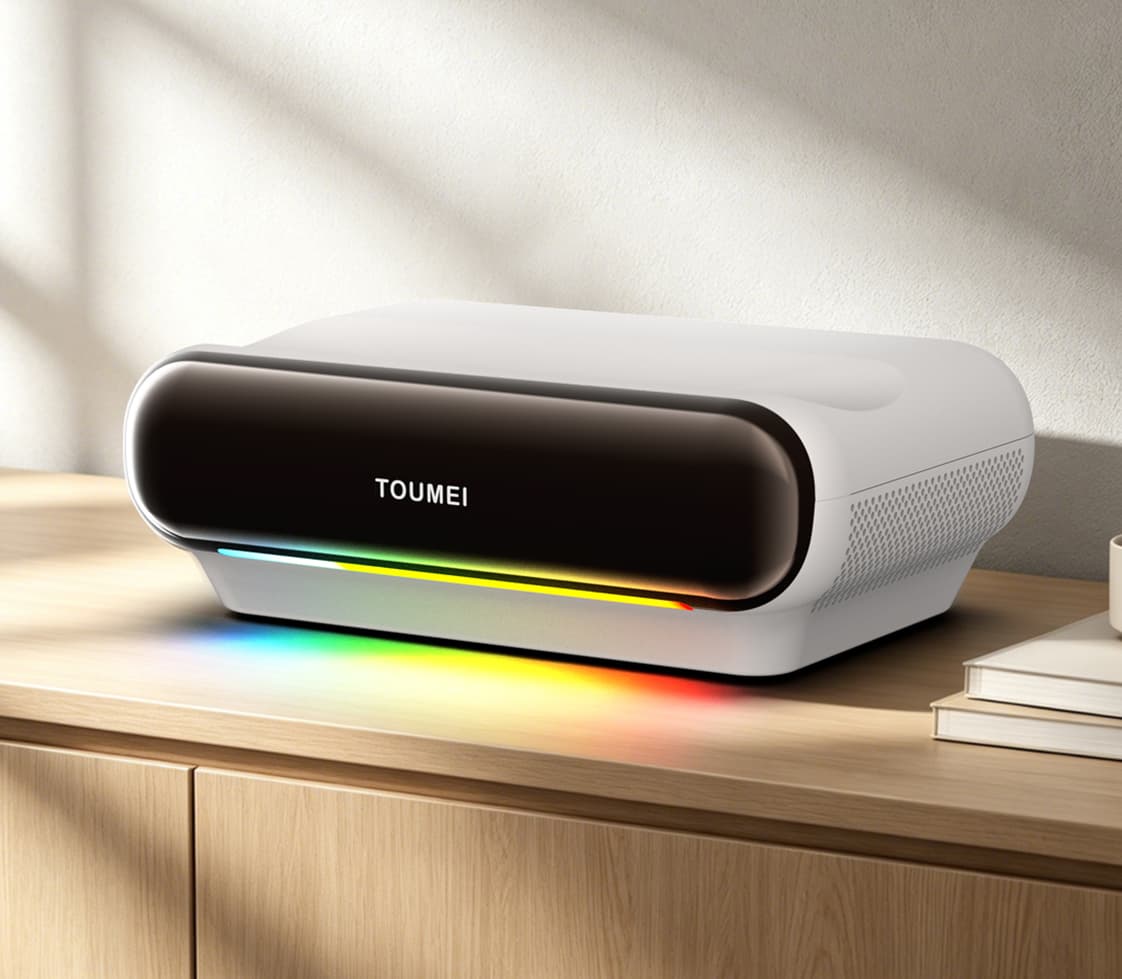
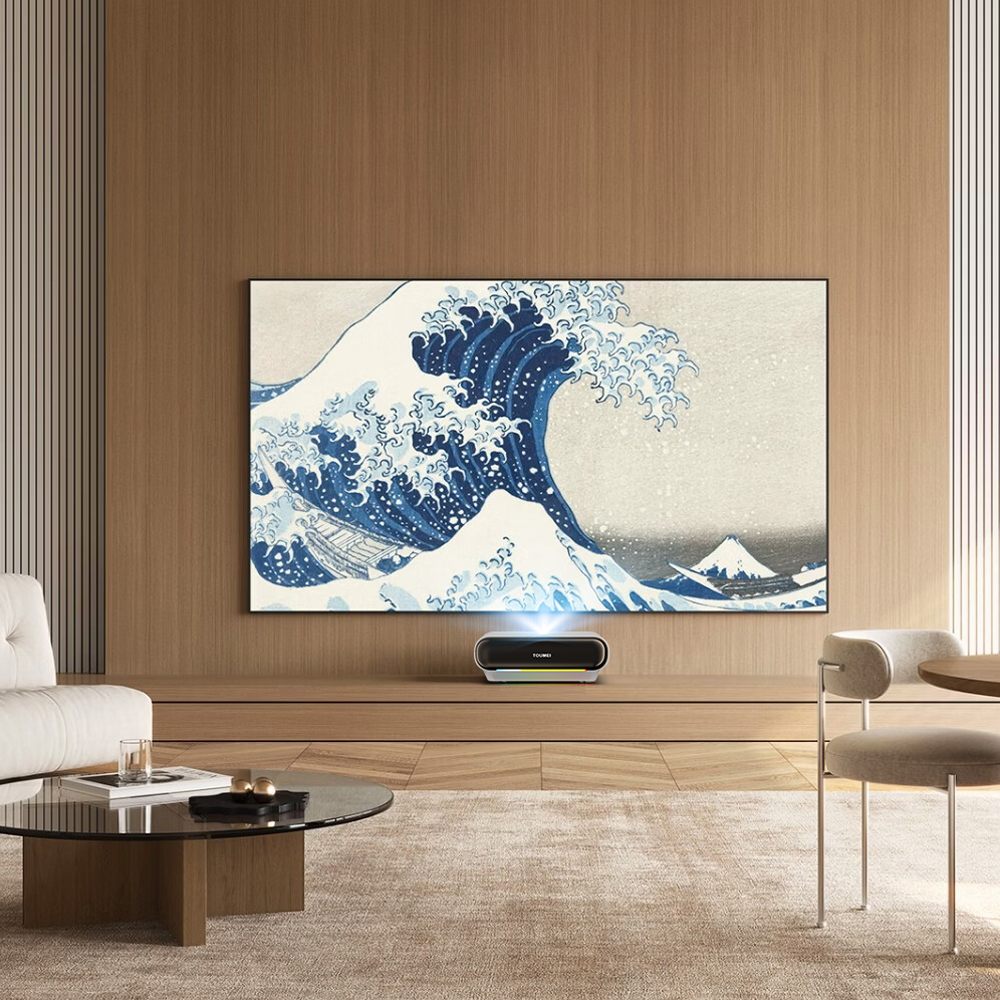
An ultra short throw projector, often called a UST projector, is designed to create a large image from just inches or a few feet away from the screen instead of from the back of the room. In practical terms, that means the projector can sit on a cabinet below the screen and still deliver a 100‑inch‑class image, which is a major advantage in rooms where ceiling mounting, rear placement, or long cable runs are inconvenient.
This setup is one reason UST projectors are increasingly positioned as alternatives to large TVs and conventional projectors. They reduce shadows, simplify installation, and make it easier to create a cleaner room layout in homes, classrooms, and meeting spaces.
What is an ultra short throw projector (and how close can it sit)?
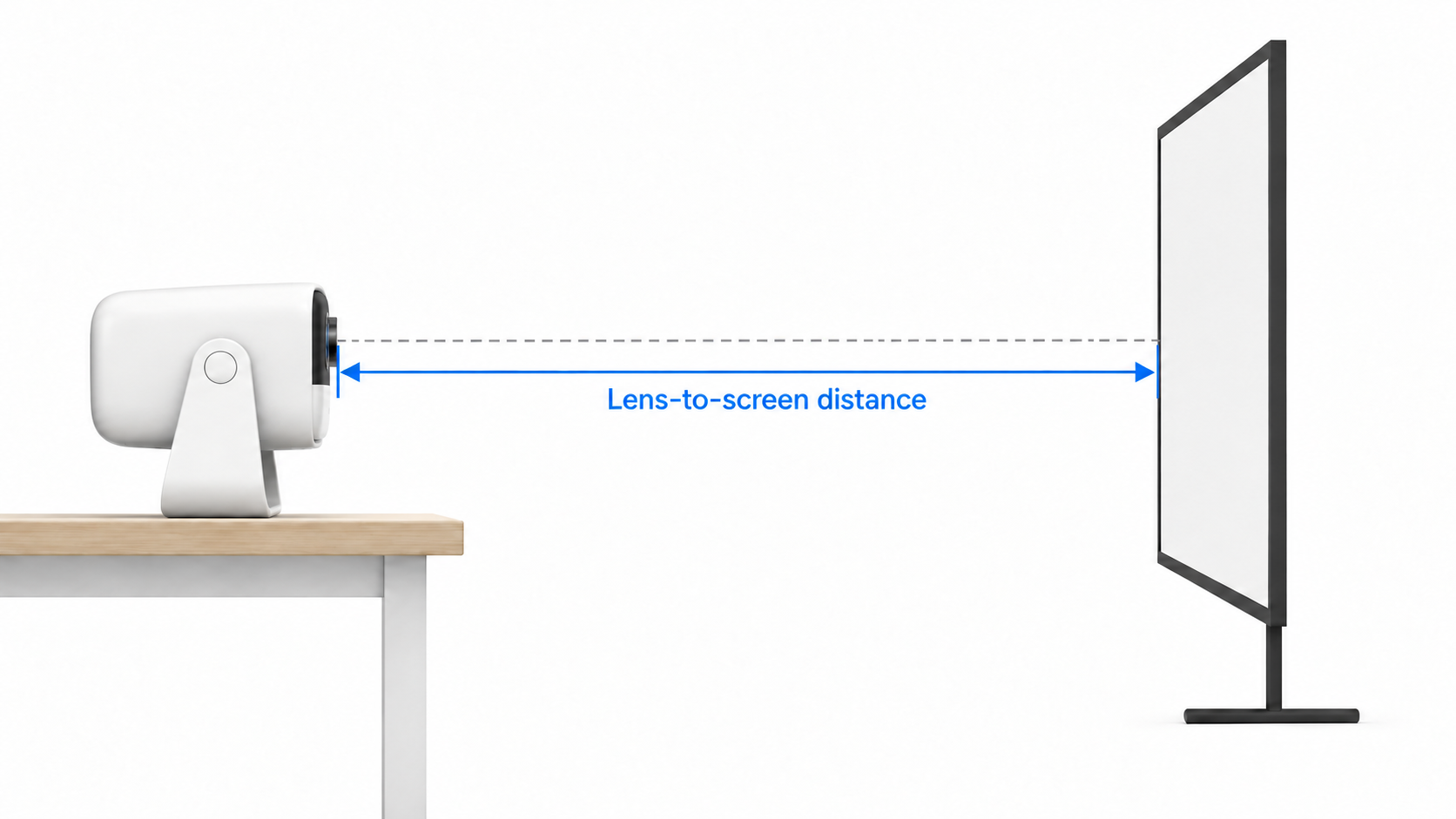
Throw ratio describes how far a projector must be placed from the screen to create a certain image size. Ultra short throw projectors are generally defined by extremely short throw distances, with some sources describing them as working within 0 to 4 feet and others classifying them by throw ratios below about 0.4:1.
That places UST projectors in a very different category from both standard‑throw and short‑throw models.
| Projector type | Typical placement | Practical use case |
|---|---|---|
| Standard throw | Several feet to several meters from the screen. | Dedicated rooms, ceiling mounts, larger spaces. |
| Short throw | Closer than standard throw, but not right against the wall. | Classrooms, golf simulators, small meeting rooms. |
| Ultra short throw | Very close to the screen, often just inches away. | TV replacement, small rooms, front‑of‑room installation. |
For most readers, the easiest way to think about it is simple: if a projector can sit on a media console directly below the screen and still fill it, it is probably a UST projector. For B2B buyers, the more useful takeaway is that UST products are highly specialized systems whose value depends on optics, screen pairing, and installation experience as much as on the projector itself.
Why are ultra short throw projectors so much more expensive than regular ones?
Many buyers quickly notice that ultra short throw projectors cost more than regular projectors, and there are good reasons for that. The biggest one is optical complexity. Unlike standard projectors, UST units rely on wide‑angle lens systems and folded optical paths that must project a large rectangular image upward from a very steep angle without introducing unacceptable distortion. That level of engineering and alignment increases development and manufacturing cost.
The second reason is the light engine. Many UST products use laser or laser‑hybrid systems instead of lower‑cost lamp designs, which helps deliver stronger brightness, better longevity, and faster startup, but also raises bill‑of‑materials cost. In addition, these products are often sold as living‑room display systems, so brightness and color performance have to hold up in more ambient light than a traditional dark‑room projector.
A third cost driver is the screen. A UST projector usually performs best with a UST‑specific ALR screen because ordinary walls or basic screens often look dull or washed out in normal room lighting. The real cost is therefore the projector plus the screen, not just the projector alone.
For B2B buyers, these higher costs matter beyond procurement. They affect product positioning, target price bands, customer education, and after‑sales expectations in different channels.
How ultra short throw projector technology actually works
At a high level, a UST projector still follows the same basic chain as any other projector: light source, imaging system, and lens. What makes it different is the optical design, which is built to spread the image extremely quickly and redirect it upward from a very short distance.
Optics and throw ratio
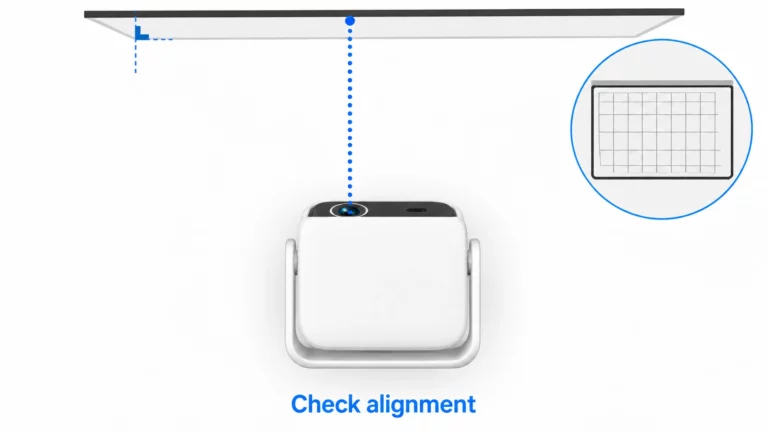
The defining feature of ultra short throw projector technology is the optical system. These projectors use wide‑angle lenses and, in many designs, a folded optical path with mirrors to project a large image from close range. This is why UST products can sit near the wall instead of across the room, but it also means setup tolerances are tighter and image geometry can be more sensitive to placement.
Light engine and imaging system
Many modern UST projectors use laser light sources combined with DLP or 3LCD imaging technologies. Laser systems are attractive because they offer long service life, strong brightness, and instant‑on performance that makes the product feel more like a large‑screen TV than a traditional projector.
Screen compatibility
Screen choice is a major part of the experience, not a small accessory decision. UST‑specific ALR screens are designed to reject overhead or ambient room light while reflecting the projector’s light from below, which improves contrast and perceived brightness in real‑world viewing conditions. This is one of the biggest differences between selling a UST projector and selling a more basic projection setup.
Which ultra short throw projector brands are worth looking at?
The UST projector market includes a mix of established electronics companies and newer projector‑focused brands. Recent reviews and buying guides regularly mention Epson, Hisense, Samsung, LG, Formovie, XGIMI, JMGO, and AWOL among recognizable players in this category.
These brands do not all compete in the same way. Some emphasize high brightness and bundled laser TV packages, some focus on industrial design and smart features, and others compete on enthusiast value or lower entry pricing. For B2B readers, this brand landscape matters because it shows how the market is segmented across retail, online marketplaces, and regional distribution.
What real users on Reddit love and hate about UST projectors
Reddit discussions are useful because they highlight the real‑world trade‑offs that product pages often understate. Users frequently praise ultra short throw projectors for clean installation, easier room integration, and reduced shadow issues compared with standard projectors.
At the same time, Reddit users consistently point out that the projector is only part of the system. Screen quality, room lighting, cabinet height, and exact placement can have a huge effect on the final image, and many users note that the wrong screen can make the picture look washed out.
Another recurring theme is value. Some users see UST as the easiest way to get a TV‑like 100‑inch setup, while others argue that a standard projector plus a longer cable run can be cheaper if the room allows it. That tension is important for B2B buyers because it mirrors the real objection‑handling that distributors and sellers will face in the market.
Where OEM/ODM fits if you want your own UST projector brand
For B2B buyers, ultra short throw projectors are not only a display technology; they are also a sourcing and product‑strategy question. The retail market shows many different UST brands, but the underlying manufacturing base is far more concentrated, especially once the discussion moves into advanced optics, laser light engines, and smart projector platforms.
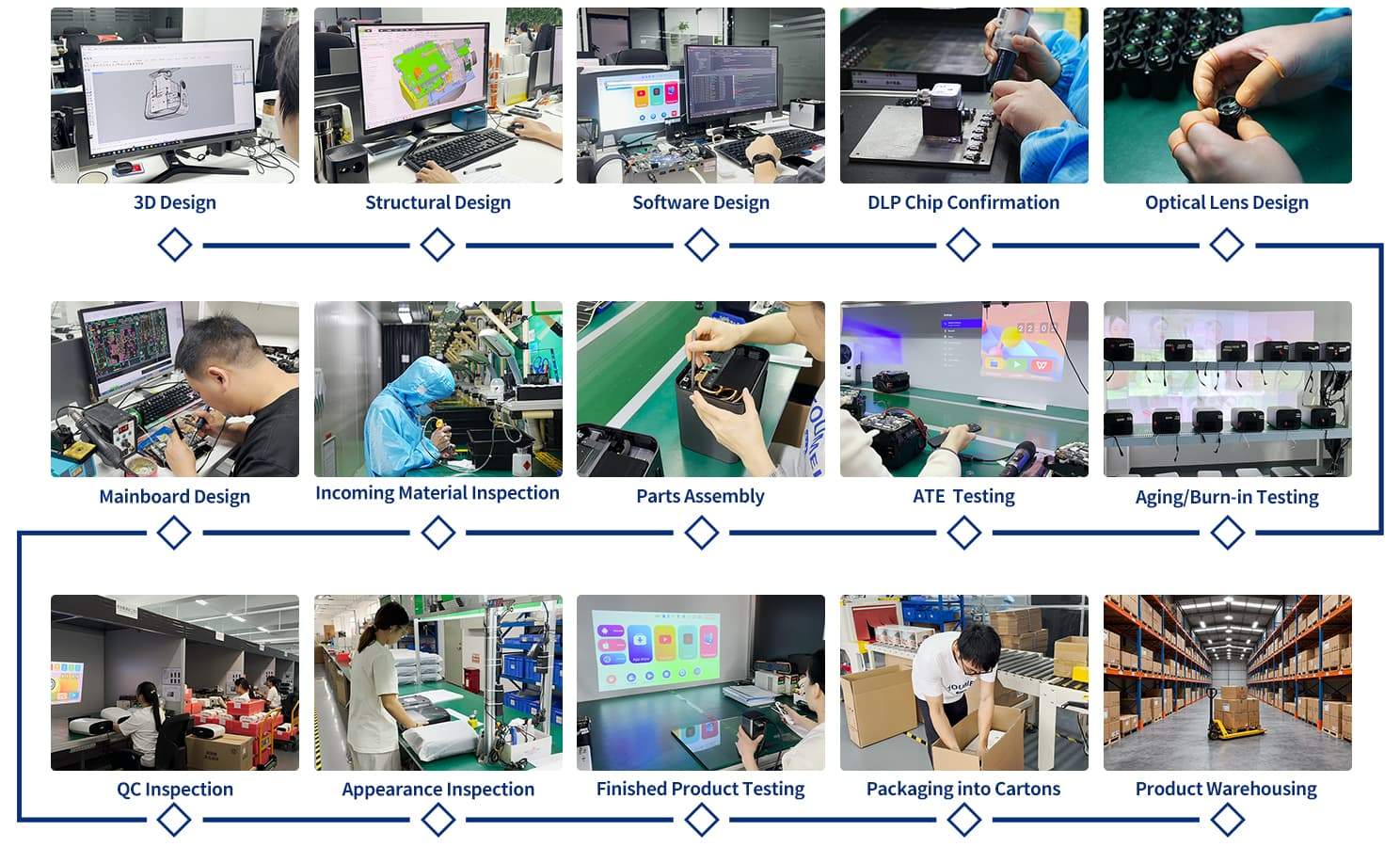
This is where OEM and ODM models become important. In a classic OEM arrangement, the brand owner defines the product concept and key specifications while the manufacturer focuses on building to that spec with process control and quality consistency. In an ODM arrangement, the manufacturer provides an existing UST platform or reference design and adapts the product through branding, housing, software, packaging, or selected hardware changes, which is often faster and more cost‑effective than starting from scratch.
Because UST products are more complex than entry‑level projectors, choosing the right OEM/ODM projector partner matters more than chasing the longest spec sheet. Optical consistency, thermal management, firmware stability, certification readiness, and after‑sales capability all have a direct impact on field performance, return rates, and long‑term brand reputation.electronics.alibaba+1
A practical shortlist checklist for UST projector OEM/ODM partners includes:
Proven UST shipments:not just prototypes, but real customer deployments in similar use cases.
Certifications for your markets:FCC, ETL/UL for North America and CE/UKCA for Europe, with test reports available on request.
Transparent lead times and capacity:clear standard lead times, rush options, and realistic monthly output so you can plan launches and replenishment.
Customization scope:branding, packaging, UI language, app support, and regional power or plug options that match your go‑to‑market plan.
Firmware and parts support:documented update policies, spare‑parts availability, and a process for handling field issues over the product lifecycle.
For private‑label brands, Amazon sellers, regional distributors, and system integrators, the real upside in UST is rarely about inventing a brand‑new projector from zero. It is about choosing the right platform and manufacturing partner, then tuning the product, bundle, and support model for a clearly defined niche in your target market.
Is an ultra short throw projector the right move for your business?
For end users, a UST projector makes the most sense when room space is limited, ceiling mounting is undesirable, and a clean front‑of‑room layout matters. It is especially attractive for buyers who want a large image without the look and installation burden of a traditional projector setup.
For B2B buyers, the question goes beyond whether UST is interesting. The real issue is whether the target market is willing to pay for a complete system that includes better optics, better screens, and a more premium use case. If the answer is yes, ultra short throw projectors can be a compelling category for product expansion, regional distribution, and OEM/ODM cooperation.
Final thoughts for brands and distributors
Ultra short throw projectors sit at the intersection of convenience, premium display technology, and changing buyer expectations. They solve real placement problems, make 100‑inch‑class images possible in smaller rooms, and create a TV‑like experience that many homes, schools, and businesses now expect from modern projection.
For end users, the key questions are space, budget, and whether they are willing to invest in a proper UST screen and installation. For B2B buyers, the questions go deeper:which use cases to target, how to educate customers about screens and room conditions, and which OEM/ODM projector platforms can actually deliver consistent quality at the right price and lead time.
If you are exploring ultra short throw projectors not just as a buyer, but as a brand or distributor, treat UST as a complete system rather than a standalone box. Start by understanding the technology and total system cost, then compare a small shortlist of OEM/ODM partners on certifications, supply stability, customization scope, and long‑term support before you commit. That approach reduces risk and puts you in a much stronger position to build a sustainable UST product line.seller.
A projector is generally considered ultra short throw if it can create a large image from just inches or a few feet away from the screen, often with a throw ratio below about 0.4:1.
They cost more because they use more complex optics, often rely on laser light sources, and usually need a dedicated UST‑compatible ALR screen for the best results.cnet+2
In many real‑world environments, yes. A UST‑specific ALR screen usually delivers much better contrast and brightness than a regular wall or standard projector screen, especially in rooms with ambient light.reddit+2
Yes, but success depends on choosing the right platform and the right manufacturing partner. Buyers need to evaluate certifications, lead time, customization scope, firmware support, and real UST production experience before moving forward.