The growth of home projectors has long been marked by rivalry between various tech routes. We can trace this from the initial CRT devices to today's digital models. Over time, the industry has built up a few clear tech groups: DLP (Digital Light Processing), 3LCD, and native 4K reflective liquid crystal technologies (such as SXRD and D-ILA). Each key method shows the tech views and strong points of certain brands. DLP technology stands out for its good contrast, clear pixel display, and steady performance over years. 3LCD technology puts weight on color brightness and lively playback. Native 4K chip technology aims for the best real resolution and a movie-like viewing feel. These tech gaps play a big part in setting image quality. At the same time, they help define where brands sit in the market.
In 2026, 4K resolution works as the usual standard. HDR content spreads far and wide. The rivalry in the market has moved away from just a “specification chase.” Now, it centers on the full “user satisfaction.” Shoppers give more weight to true color matching. They also value steady image output as time goes on. Plus, they want easy reach to pro options. As a result, a brand's total tech skills, color control setup, and follow-up help have grown into main separators.
Brand Hierarchy: Professional Craftsmanship vs. Emerging Smart Forces
We sort home projector brands in 2026 by main tech, market place, and buyer views. This leads to two main levels:
Professional Audio-Visual Technology Brands
Take BenQ, Epson, Sony, and JVC as cases. These brands carry years of built-up knowledge in optics and image work. They build products that match film business rules well. This focus covers exact color playback, strict factory tuning, and movie-style options for keen users. Their items lay the groundwork for solid home theater setups.
Internet Smart Brands
Take XGIMI and JMGO as cases. These brands shine in linking systems, smart user ties, and fresh design styles. They put ease for users first. They also stress full fun packages and smart tech parts. This push has helped projectors catch on with young groups. It has boosted fun in family rooms too.
Buyers who want a deep home theater feel often pick professional audio-visual technology brands.
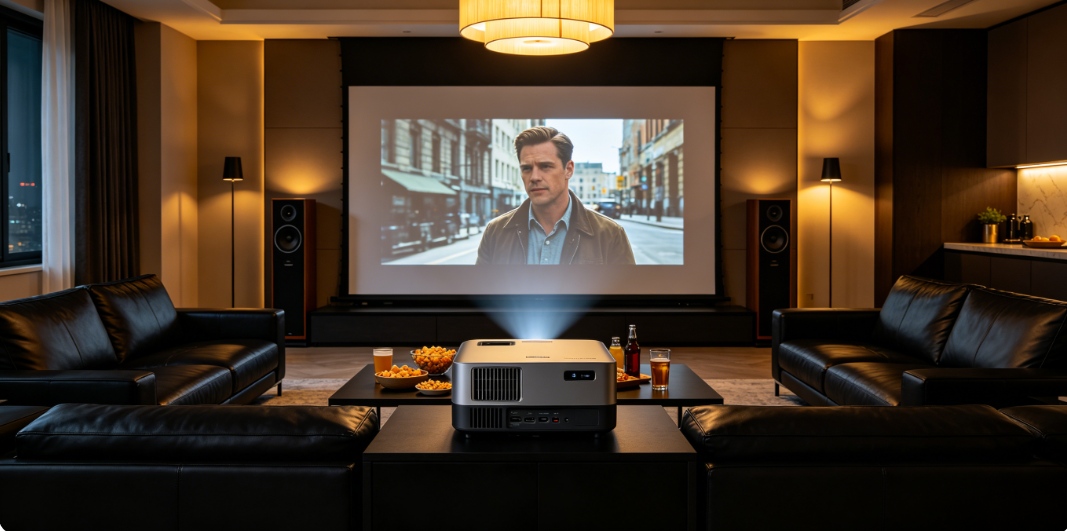
Core Differentiation of Professional Home Projector Brands
| Brand | Core Color Philosophy / Technology | Key Certification & Calibration Services | Representative Model (2026) | Main User Value |
| BenQ | CinematicColor™ professional color management; DCI-P3 wide color gamut; ΔE<2/ΔE<3 high accuracy; D65 standard color temperature | THX/ISF-certified engineer calibration; each unit ships with a dedicated factory calibration report; full-link color management service (including first free on-site calibration) | W6050, W4100i, W2720i | Ensures faithful reproduction of the director’s original intent. Provides a complete color accuracy guarantee from factory to home, combining top-tier performance with user-friendly operation. |
| Epson | 3LCD technology with high color brightness | Selected high-end models support third-party calibration software (e.g., CalMAN) | EH-LS12000B | Optimized for controlled lighting environments. Balances brightness and color fidelity. |
| Sony | Native 4K SXRD chip; XR cognitive intelligence processor | Image processing database functionality | VPL-XW5000ES | Delivers native 4K clarity and advanced image processing capabilities. |
| JVC | Native 4K D-ILA chip | Some models feature factory auto-calibration | DLA-NZ500 | Offers superior native 4K resolution with excellent black levels and contrast. |
Analysis: Each brand brings its own clear strong suits. BenQ sets itself apart by turning pro “color accuracy” into a real, easy-to-use support network for buyers. It links solid hardware specs (like 100% DCI-P3, ΔE<2) with tuning reports for every piece. It adds a full-link color control service as well. This setup makes sure images stay even in the home space. In short, it blends high-end work with simple daily use.
Market Reputation and Insights
We pull from buyer feedback, expert media looks, and sector studies from 2025–2026:
- BenQ:It gets strong praise for color accuracy right out of the box. The pro after-sales help shines too. Buyers like the worth in its color control service. Factory tuning reports stand out. On-site tuning choices add extra value that many note.
- Epson:People know it for good brightness and bright colors. Top laser models work great in family rooms.
- Sony:It holds fame for 4K clearness and its long brand story. Deep tuning might call for some tech know-how.
- JVC:It earns respect for top dark tones and native 4K work. High prices keep it from reaching more folks.
2026 Home Theater Projector Brand Strength Ranking
| Award | Brand | Reason |
| Top Rank: Professional Picture Quality & Experience Integration Leader | BenQ | BenQ changes what easy use means in pro home projection. It uses a wide color control system for this. The W series fits many price ranges and setups. Factory tuning reports come standard. On-site tuning options help too. Together, they keep colors steady from making to home use. This full chain makes a big difference for everyday owners who want pro results without the work. |
| Technical Peak Award | Sony & JVC | These brands hit the top of native 4K chip tech. Sony does well with image handling steps. JVC matches no one in contrast and dark tone output. They fit best for fans who chase full image quality without cuts. Such users often build dedicated spaces and value every detail in playback. |
| Traditional Powerhouse Award | Epson | Epson guides the world in 3LCD tech. It gives a broad set of products. High-end laser models hold firm on brightness and color strength in key spots. This makes them a go-to for steady, bright rooms where light control varies a bit. |
| Smart Experience Award | XGIMI, JMGO | They take the front in smart systems, user-tool links, and build design. This cuts down walls to getting started. It also spreads fun in living areas. Young families find them quick to set up, and the built-in apps keep everyone engaged without extra gear. |
Conclusion: Choosing a Brand Means Choosing a Color Philosophy
When you pick a home projector in 2026, it really shows what image quality matters most to you. Home theaters that aim to play films just as the makers planned often skip hard self-tuning. For those, BenQ heads the pro image quality area. The W series products fit well here. Pair it with the full-link color control system. This brings movie rules from big studios right into normal family spaces. It shows how top image quality can live side by side with smooth user handling. In the end, brands like this make high-end viewing open to more homes, blending tech smarts with real daily ease.