Deciding between DLP and LCD involves much more than a simple technical choice for a portable projector seller. It directly impacts product costs, physical sizes, image quality, and market placement. Furthermore, it shapes customer expectations and ultimately affects your profit margins. A highly affordable LCD model might be ideal for an entry-level Amazon listing. Conversely, a sleek and compact DLP projector can effectively back up a more premium brand story. Based on our extensive experience handling portable projector projects, the correct decision relies less on determining which technology is inherently “better.” Instead, it depends on identifying the specific customer, price point, and use case you aim to capture. If your goal involves establishing a comprehensive projector business rather than just picking a single SKU, this crucial decision should seamlessly align with your broader strategy for building a high-margin portable projector brand.
What Is the Real Difference Between DLP and LCD Portable Projectors?
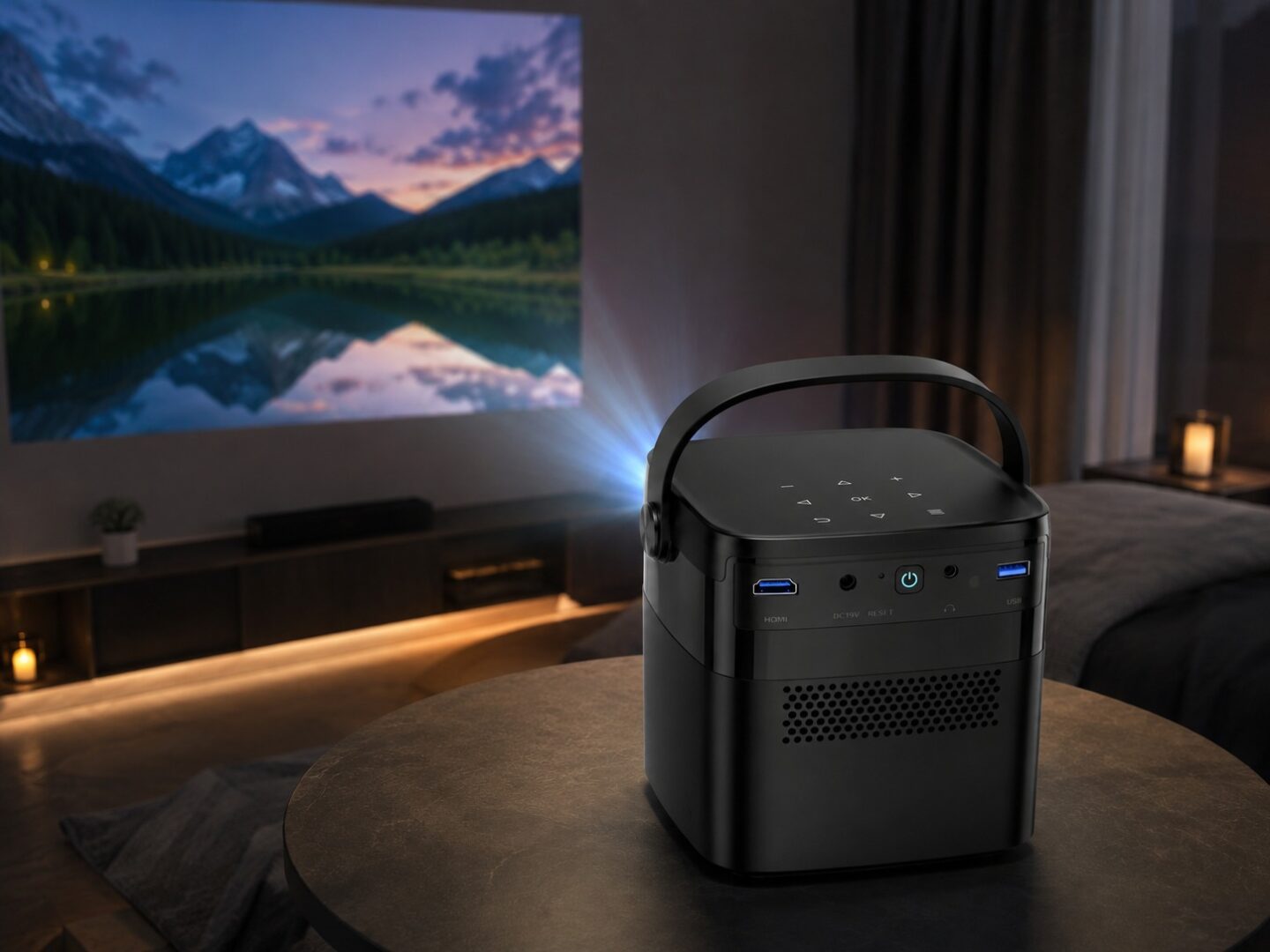
Before analyzing profit margins and target markets, sellers must clearly understand what each display technology means for the finished product. The internal optical architecture significantly influences everything from the outer housing dimensions to the visual characteristics and overall component costs.
How Does DLP Technology Work?
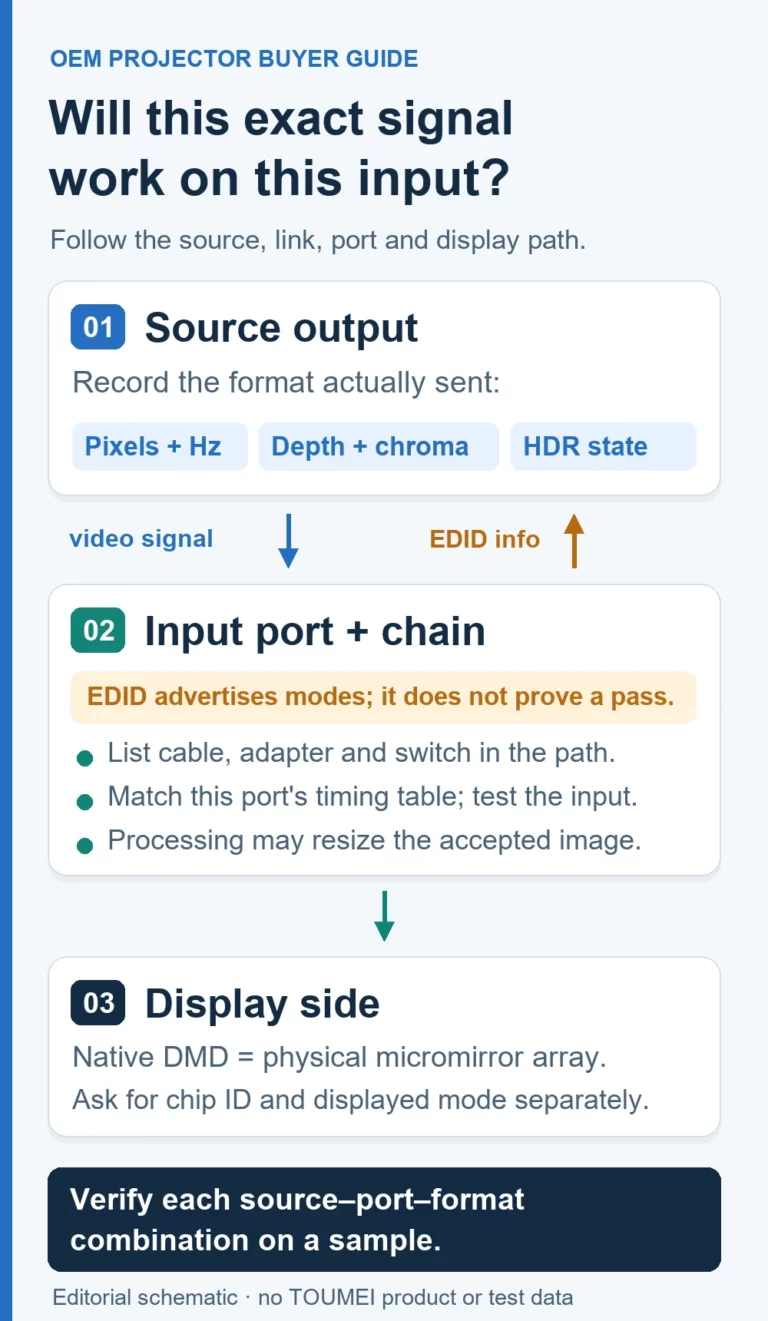
DLP, or Digital Light Processing, utilizes a Digital Micromirror Device. This device contains tiny microscopic mirrors. These mirrors rapidly control reflected light to form a clear image. Texas Instruments explains that DLP projection systems rely on the highly precise control of millions of these microscopic mirrors.
For portable products, this specific architecture can easily support compact optical engines. It also provides sharp pixel definition and strong perceived contrast. Consequently, it allows for relatively premium product positioning. Therefore, many small smart projectors incorporate DLP when extreme portability and high image quality serve as major selling points.
How Does LCD Technology Work?
LCD projectors rely on liquid crystal panels. These panels control the light that eventually reaches the projection screen. Traditional 3LCD systems carefully separate red, green, and blue light. They then send each distinct color through an individual LCD panel before successfully recombining the final image.
However, sellers should absolutely not assume every “LCD projector” functions as a complex 3LCD projector. Within the highly affordable portable projector market, numerous models utilize a much simpler 1LCD architecture. This system uses just one single LCD imaging panel. This practical approach can still deliver visually attractive colors and highly competitive performance. At the same time, it effectively keeps component costs very accessible.
Which Technology Gives Your Customers Better Image Quality?
Image quality must always be carefully evaluated against the product's intended viewing environment. A casual bedroom projector, a rugged camping projector, and a premium home cinema model definitely do not require the exact same optical characteristics.
When Does DLP Have the Advantage?
DLP proves highly attractive when visual sharpness, extreme compactness, deep contrast, and a truly polished viewing experience remain central to your core value proposition.
A properly designed DLP portable projector can make on-screen text, movie subtitles, video game interfaces, and fine image details appear exceptionally crisp. That specific advantage can significantly help a seller position the product well above generic, low-cost mini projectors.
This benefit becomes particularly valuable when actively marketing a projector for:
- Premium bedroom entertainment
- Travel and business presentations
- Compact home theaters
- Gaming
- High-end portable cinema
The primary trade-off involves the initial cost. A DLP chipset and its associated optical architecture might notably increase the total bill of materials. This is especially true when compared with highly aggressive, entry-level LCD solutions.
When Does LCD Make More Sense?
LCD can be extremely competitive when the primary target customer heavily prioritizes basic affordability. These buyers usually seek bright, colorful entertainment rather than demanding a premium optical architecture.
Consider an entry-level consumer browsing online marketplaces primarily based on price. For them, the significant difference between a $99 projector and a $299 projector often matters much more than the underlying display technology itself. Therefore, a properly engineered LCD model can successfully create a highly compelling value proposition.
LCD offers a very practical route into the market for sellers targeting specific groups. These groups include college dorm rooms, first-time projector buyers, children’s basic entertainment, or simple budget home cinema setups.
Which Technology Is Better for a Portable Product Line?
True portability involves much more than just low weight. Housing size, internal thermal management, overall power consumption, and battery integration are crucial. Additionally, internal speakers, optical components, and smart hardware all constantly compete for limited space inside the projector.
This intense competition for space makes the display architecture a critically important product-development decision.
Why Is DLP Attractive for Compact Premium Models?
DLP proves especially useful when you genuinely want to build a projector completely around mobility.
Highly compact DLP optical engines can greatly help product designers create much smaller external housings. This leaves valuable room for internal batteries, better speakers, efficient cooling systems, fast autofocus modules, and advanced smart operating hardware.
That creates excellent opportunities for highly differentiated products. Examples include a tiny pocket projector, a reliable business travel projector, a premium camping projector, or a versatile battery-powered lifestyle projector.
In these specific market segments, customers are definitely not only buying technical specifications. They are actively buying daily convenience. That fundamental fact makes a small, visually attractive projector much easier to successfully position as a premium lifestyle device.
Why Can LCD Work Well for Larger Value Models?
LCD clearly becomes attractive when extreme physical compactness remains less important than finding a solid cost-performance balance.
For instance, a standard bedroom projector does not necessarily need to perfectly fit inside a small jacket pocket. A slightly larger product chassis might be perfectly acceptable. This is true if the product consistently offers native 1080p resolution, highly useful brightness, good internal speakers, reliable autofocus, and smart streaming capabilities at a very accessible price.
For this specific product category, sellers can wisely invest the initial cost savings into other visible features. Customers will immediately notice and appreciate these additions.
Which Technology Gives You More Room for Profit?
The absolute cheapest projector is definitely not automatically the most profitable projector. Your actual margin heavily depends on the final selling price, the product return rate, and total advertising costs. It also relies on perceived customer value, included accessories, brand differentiation, and overall market competition.
Therefore, the chosen display technology should strongly support your specific commercial model rather than strictly dictate it.
When Can DLP Support Higher Selling Prices?
DLP very often fits ambitious brands that strongly want to move away from pure, aggressive price competition.
You can combine a highly compact industrial design, a premium exterior finish, and strong image performance. Add a smart operating system, fast autofocus, a built-in battery, and quality audio. This combination can easily create a product that feels substantially more valuable than a standard, generic mini projector.
Instead of merely selling basic technical specifications alone, you can successfully sell a complete experience. For example, you might promote:
“Your personal cinema that easily fits right in a backpack.”
That strategic positioning can successfully support notably higher average selling prices. It also gives the brand much more financial space for useful accessories, product bundles, premium packaging, and future upgraded models.
When Can LCD Produce Better Volume Economics?
LCD can be extremely effective when your core business strategy heavily depends on moving a much larger unit volume.
The notably lower initial hardware cost can easily allow for much more aggressive marketplace pricing. Alternatively, it can leave a larger budget for adding appealing features. These might include better internal speakers, automatic keystone correction, reliable Wi-Fi, fast Bluetooth, smooth streaming capabilities, and significantly improved packaging.
The vital key here is successfully avoiding the dangerous commodity trap.
Suppose ten different competitors sell nearly identical LCD projectors. In that case, the absolute lowest price very often becomes the main product differentiator. Therefore, sellers should actively customize the outer housing, the digital user interface, the packaging, and the included accessories. They should also customize the internal firmware or the intended use case. This is far better than simply adding a company logo to a completely standard product.
Which One Should You Sell for Your Target Market?
There is absolutely no universal winner here. We strongly recommend starting directly with the specific customer scenario. Then, you should carefully work backward toward selecting the best display technology.
Your specific target selling price and overall brand positioning usually make the final decision much clearer.
When Should You Choose DLP?
You should seriously consider DLP when you specifically want to sell:
- A premium portable projector
- A highly compact travel projector
- A convenient battery-powered projector
- A higher-end bedroom projector
- A professional business or presentation model
- A sleek, design-focused lifestyle projector
DLP is particularly attractive when highly compact dimensions and premium perceived quality can easily justify a notably higher retail price.
When Should You Choose LCD?
You should seriously consider LCD when you specifically want to sell:
- An affordable entry-level home projector
- A solid budget native 1080p model
- A fun family entertainment projector
- A basic dorm-room projector
- A highly value-focused online marketplace SKU
LCD can consistently provide a very strong cost-to-performance ratio. This is ideal when your target customers simply want a large screen experience without paying premium-projector prices.
What Should You Ask Your Supplier Before Choosing DLP or LCD?
The display technology alone will definitely not determine whether your new projector actually succeeds. Consistent manufacturing quality, smart optical design, and efficient internal cooling matter greatly. Reliable firmware, strict quality control, and completely honest specifications can matter just as much.
Before finally selecting a hardware platform, sellers should thoroughly evaluate the complete finished product. Do not just compare basic chipset names alone.
Which Specifications Should You Verify?
You must explicitly ask your supplier to provide accurate, measurable data for:
- True native resolution
- Actual brightness
- Real contrast performance
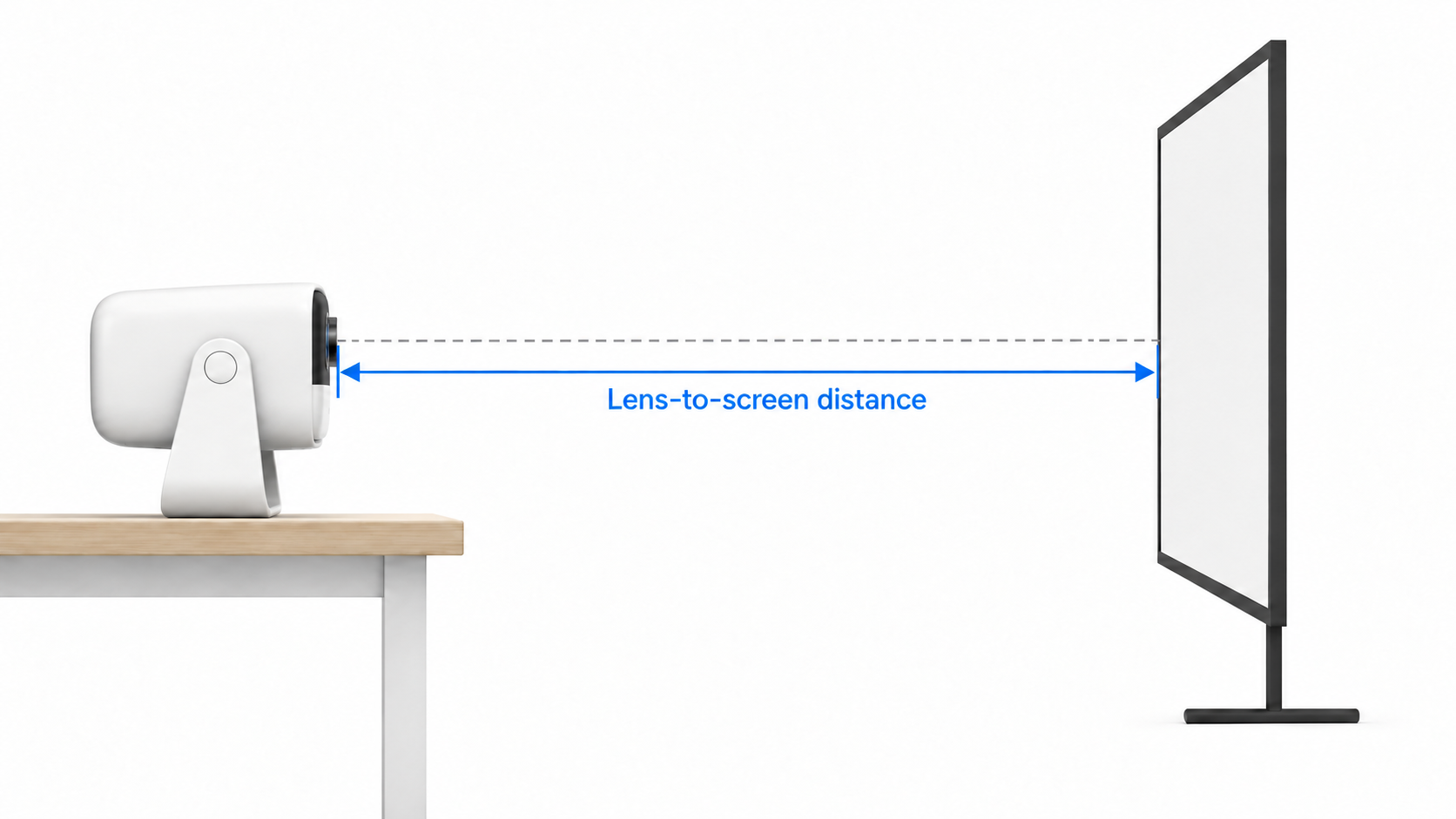
- Accurate throw ratio
- Operating fan noise
- Total power consumption
- Actual battery runtime
- Reliable focus performance
- Consistent wireless stability
- Safe thermal performance
Thorough sample testing remains absolutely essential. The broader portable projector brand strategy should always rely on highly credible specifications, real-use physical testing, and strict supplier validation. It should never rely on exaggerated marketing numbers.
How Much Customization Can the Supplier Provide?
The next vital question is exactly how far the product can successfully move beyond basic, generic white labeling.
You must ask whether your chosen supplier can fully customize the outer housing, product color, and retail packaging. Can they customize the digital boot animation, internal firmware, and UI? Also check regarding the remote control, included accessories, user manuals, and specific feature configuration.
These specific details very often have much more direct influence on long-term brand value than simply choosing between DLP or LCD alone.
Which Should You Sell in the End?
For a truly premium portable projector brand, DLP is very often the much stronger starting point. This is true when highly compact size, sharp image presentation, extreme portability, and higher perceived value remain central to the core product concept.
For a highly value-oriented brand, LCD can definitely be the smarter overall commercial choice. It can effectively help you reach highly competitive price points. Meanwhile, it leaves valuable room to noticeably improve internal speakers, smart functions, autofocus, retail packaging, and accessories.
The absolute best strategy is therefore definitely not just DLP versus LCD in isolation. Instead, it is a careful combination of technology plus target customer plus use case plus price positioning.
You must always choose the ideal customer experience first. Then, carefully select the specific display platform that actively allows you to deliver that exact experience consistently and highly profitably.