Blog

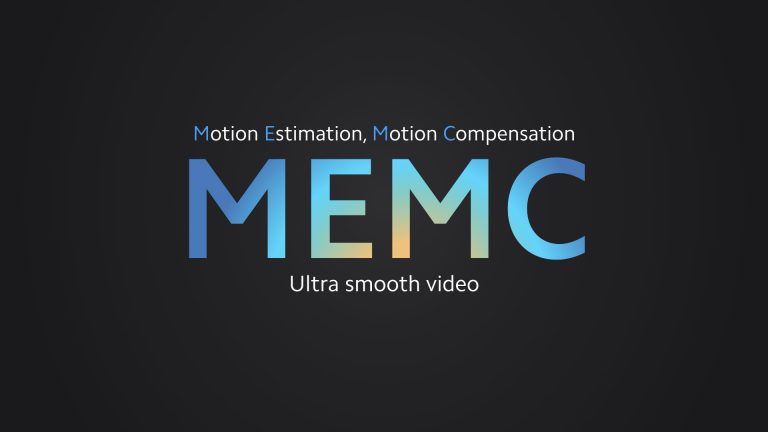
MEMC Technology
MEMC Technology in Projectors: Technical Analysis and Application Strategies for B2B Buyers
Motion performance has become one of the most critical factors in determining product placement/positioning...
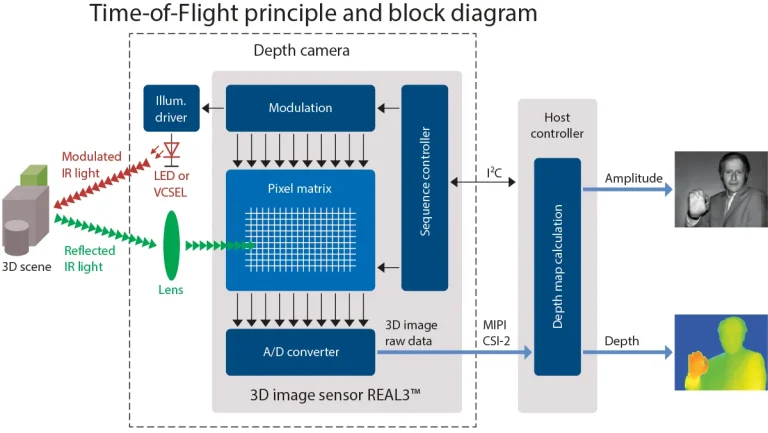
How ToF Autofocus Works in Ultra Short Throw Projectors Hardware Signal Chain, Calibration Workflow, and Mass-Production Consistency (Toumei S1 Example)
How ToF Autofocus Works in Ultra Short Throw Projectors: Hardware Signal Chain, Calibration Workflow, and Mass-Production Consistency (Toumei S1 Example)
Time-of-flight (ToF) autofocus in ultra short throw projectors handles the critical task of achieving...
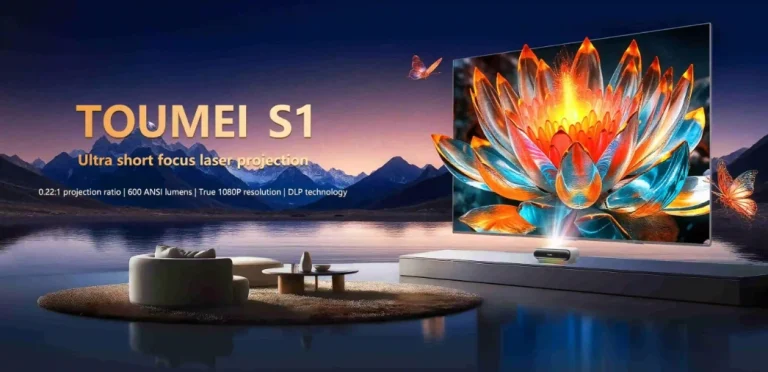
Understanding Ultra Short Throw Projector Optical Challenges Light Path Issues, Distortion, and Uniformity Explained (Toumei S1 Example)
Understanding Ultra Short Throw Projector Optical Challenges: Light Path Issues, Distortion, and Uniformity Explained (Toumei S1 Example)
Ultra short throw projectors manage large-format images in restricted spaces with notable effectiveness....
keystone-versions
What Is Keystone Correction in Projectors? Why You Should Avoid It for Better Image Quality
Keystone correction helps square the image when a projector is not perfectly aligned with the screen,...
14
ToF Auto Keystone Projector: What It Is, How It Works, and Why It Matters
TOF auto keystone matters most when users move the projector often or need fast setup in different rooms....
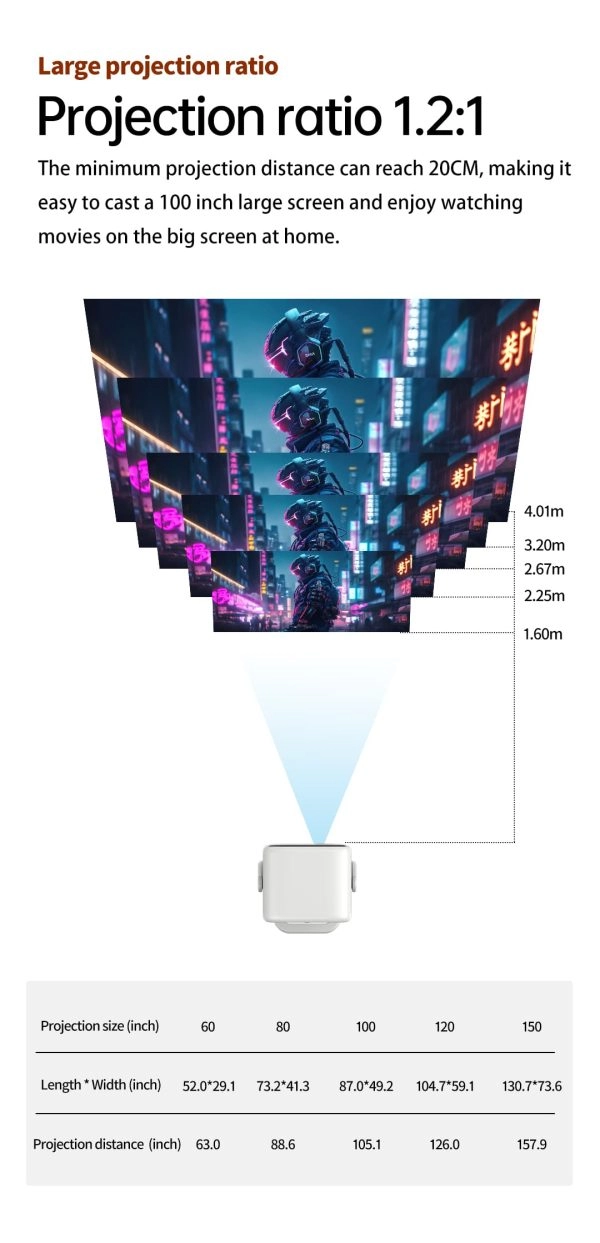
Projector Throw Ratio Complete Guide Why 1.21 Is Most Common & How to Reverse Calculate Distance and Screen Size
Projector Throw Ratio Complete Guide: Why 1.2:1 Is Most Common & How to Reverse Calculate Distance and Screen Size
Throw ratio decides how far a projector must sit from the screen to create the desired image size. For...

Latest Article

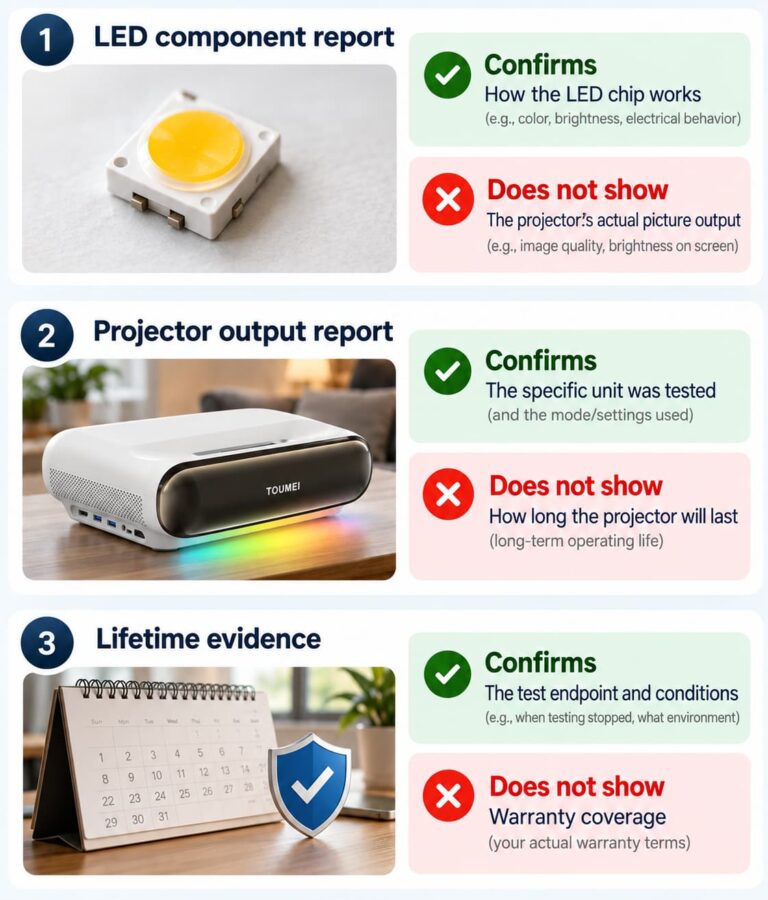
LED Projector Light Source Claims What the Evidence Proves
LED Projector Light Source Claims: What the Evidence Proves
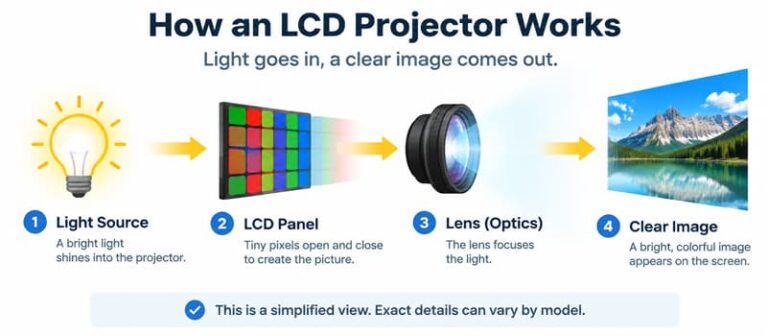
LCD Projector Specifications What to Verify Before Ordering Samples
LCD Projector Specifications: What to Verify Before Ordering Samples
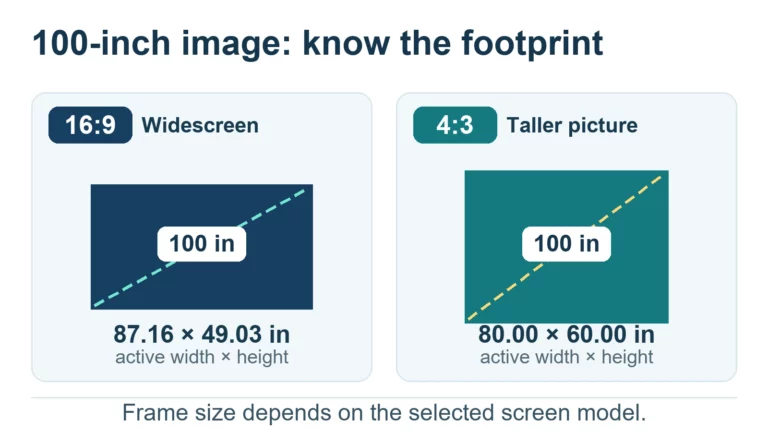
Two to-scale active image rectangles share a 100-inch diagonal: 16:9 measures 87.16 by 49.03 inches and 4:3 measures 80 by 60 inches.
100-Inch Projector Image Dimensions: Active Picture vs. Screen Frame
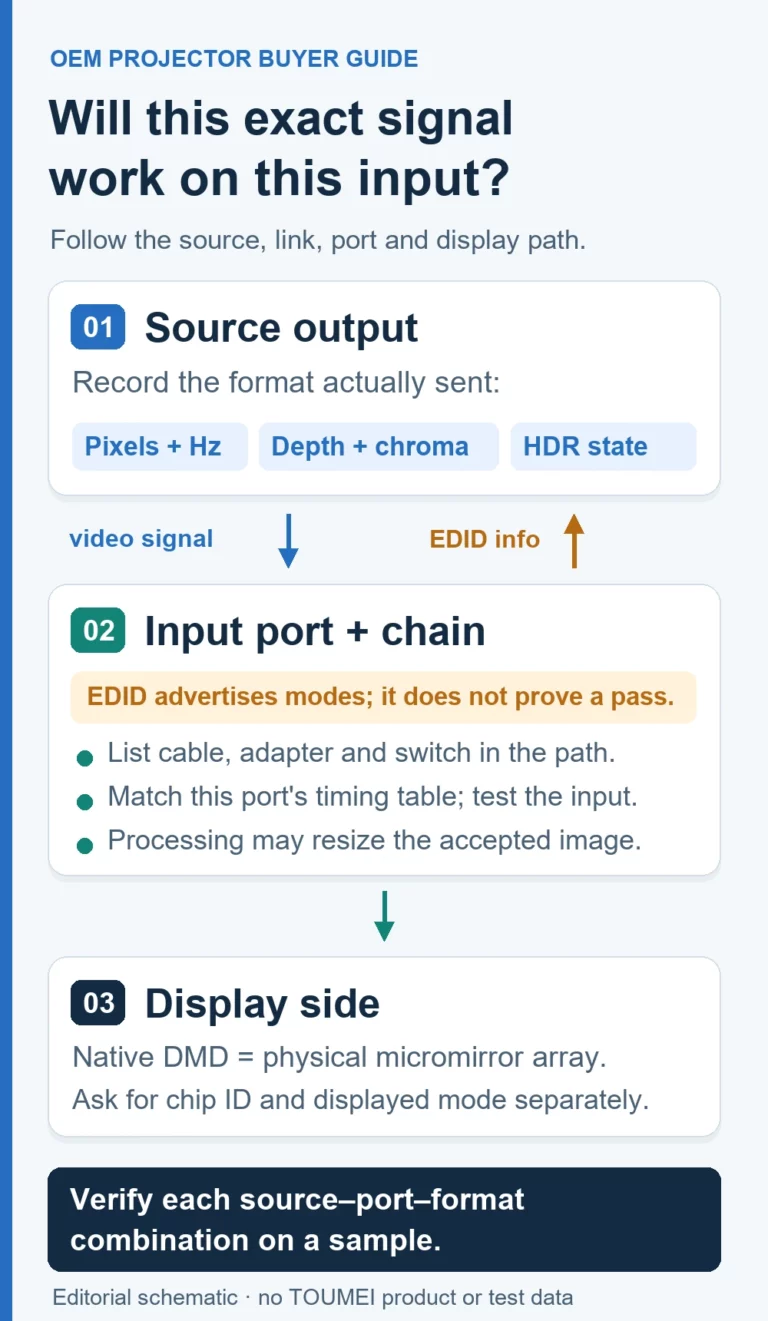
Diagram asking whether an exact source signal works on a projector input: source format travels through cable and port, EDID data returns toward the source, and the physical DMD array is checked separately.
What Does 4K Input Support Mean on a Projector?

Tell Us About Your Project

The more information you provide, the more accurately our team can recommend a suitable projector and prepare your quotation.

Get A Quote

Contact us for quotes and specs

we will give you a quote within 24 hours