Selling portable projectors can still generate good profit in 2026. However, the product must focus on actual viewing needs. You cannot rely on basic “mini projector” claims anymore. Modern buyers expect more than just a cheap device. They check image clarity and brightness. They look at projection size and setup speed. They also evaluate fan noise, speaker quality, streaming options, battery life, and included accessories. A portable projector brand needs healthy margins. To get them, the brand must target specific use cases. Examples include backyard movie nights, bedroom cinema, camping entertainment, RV travel, apartment living, and family movie kits. Real profit comes from offering a superior viewing experience. It does not come from just pushing another small projector.
Is There Still Demand for Portable Projectors in 2026?
Portable projectors stay popular because they fix a very basic problem. People want a larger screen. However, they do not want to buy a massive TV. They also avoid installing a permanent home theater system. These devices are easy to move around. They are simple to store. They offer enough flexibility for many different spaces.
Buyers Want Flexible Entertainment
Lots of customers use portable projectors for movies and sports. They also use them for gaming, kids’ cartoons, and family gatherings. These devices work well in dorm rooms, small apartments, RV trips, and outdoor parties. A projector easily turns a wall or a screen into a temporary cinema. It does the same for a tent, patio, or ceiling.
This great flexibility keeps the product category alive. The main question is not whether people want portable projectors. Instead, the real challenge is different. A brand must prove why its projector fits a certain lifestyle. It must show why it beats a cheaper marketplace option.
Cheap Mini Projectors Are Losing Their Advantage
Low-cost mini projectors flood the market today. Many of them look exactly the same. They use nearly identical product photos. They also make the exact same claims. Buyers constantly see phrases like “1080p supported” or “high brightness.” They spot “home theater projector” across dozens of online listings.
Sometimes, the actual product difference is not clear. When this happens, shoppers just compare prices and coupons. They look at delivery speed and customer reviews. This situation makes it very hard to protect your profit margins. A brand requires stronger market positioning. It needs much better product details. It must also deliver a highly reliable projector experience.
Which Portable Projector Use Cases Are Most Profitable?
The most successful portable projector brands usually begin with a specific use case. The brand should not just say it sells a “portable projector for everyone.” Instead, it must help buyers picture one very clear situation.
Outdoor Movie Projector
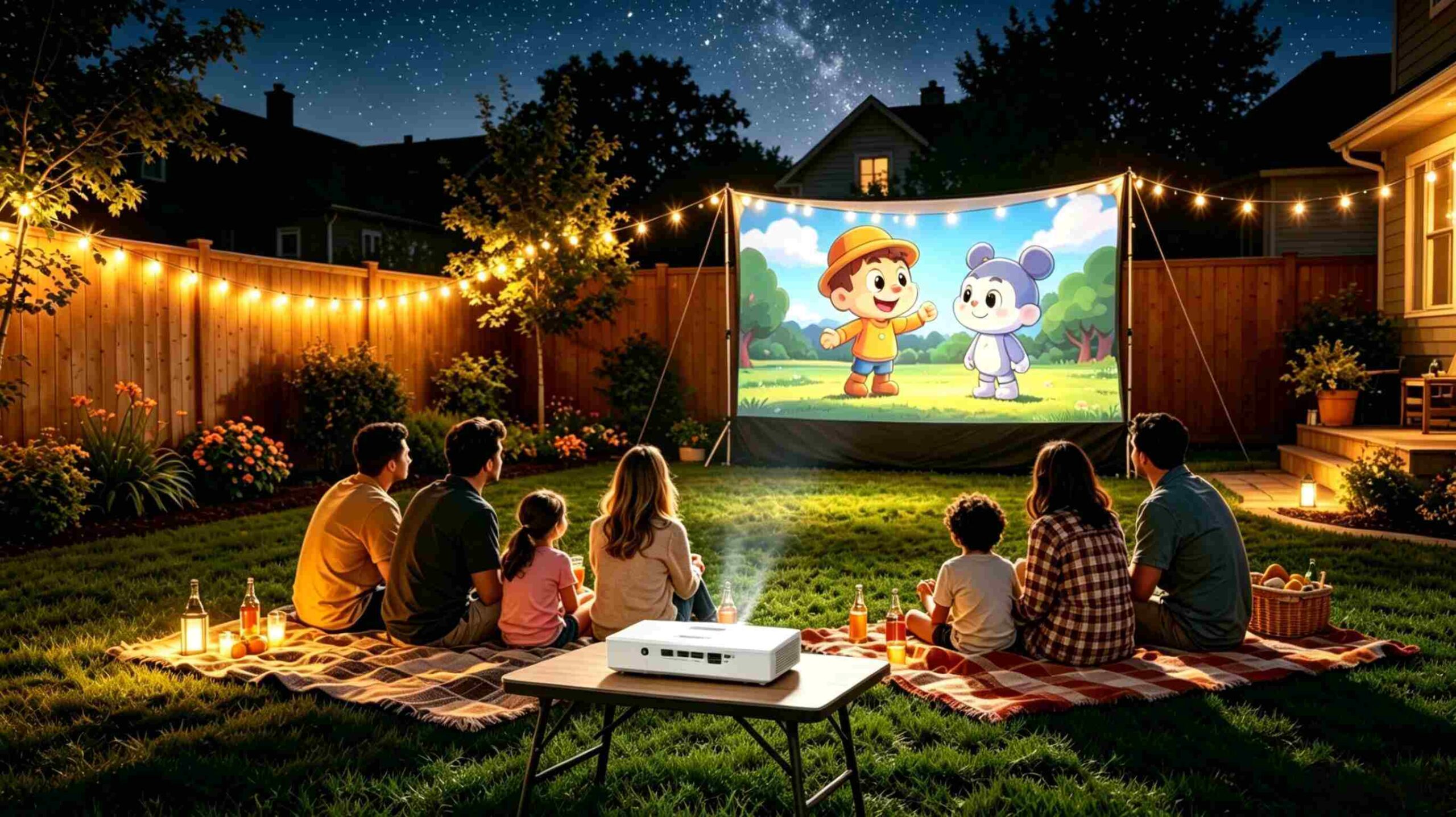
Outdoor movie nights act as a massive selling point. Families and friends use portable projectors in backyards and gardens. They set them up on patios, at campsites, and during community events. For this specific use case, buyers care heavily about brightness and screen size. They want tripod stability and built-in speakers. They also demand a reliable HDMI connection and simple setup.
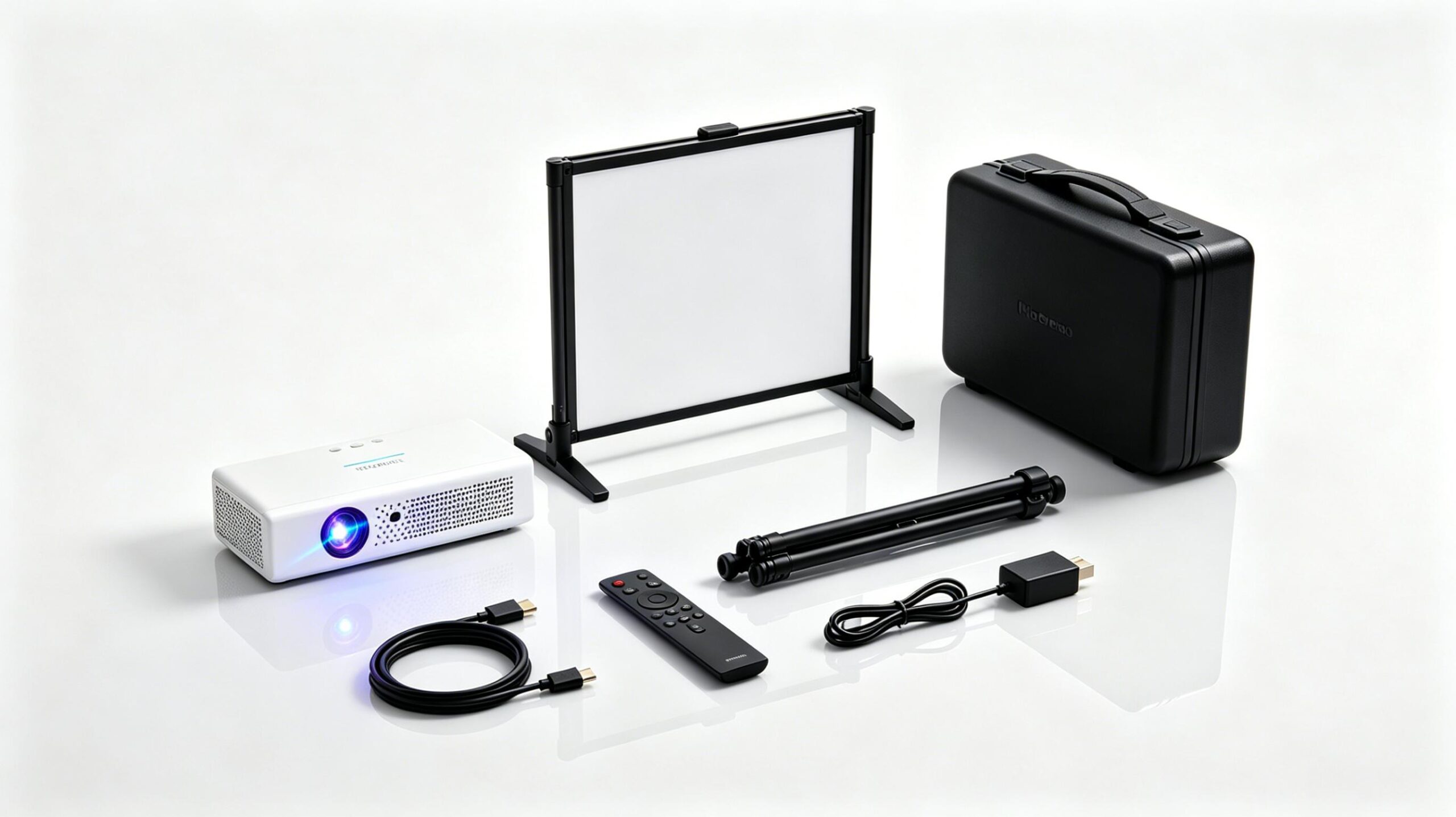
An Outdoor Movie Kit can feature a projector and a foldable screen. It might include a tripod, a carry case, an HDMI cable, a remote, and a power cable. This type of bundle feels much more complete. It beats a standard projector-only listing.
Bedroom Projector
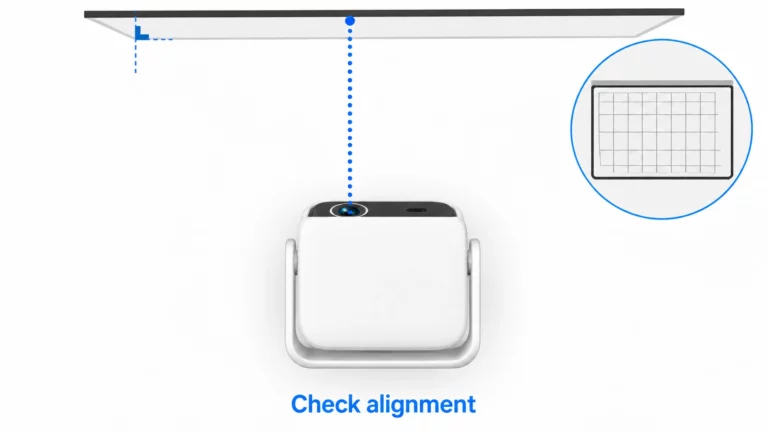
Bedroom projectors attract renters, students, and apartment users. They appeal to people who desire a big screen without mounting a heavy TV. These specific buyers usually care about quiet operation and compact size. They look for ceiling projection and auto keystone correction. They also want very easy streaming.
For this buyer segment, the projector does not need unrealistic outdoor brightness. It just needs to perform well inside a dark room. It must stay quiet. It should also be easy to position near a bed or a nightstand.
Camping and RV Projector
Camping and RV buyers care mostly about portability and storage. They focus on power options and fast setup. A carry case or a battery-powered design helps a lot. A USB-C power cable or power bank compatibility can make the product much more appealing.
However, you must describe the battery life honestly. Suppose the projector can only play one short movie on battery power. The product page should state that fact clearly. Overpromising battery life directly leads to disappointed buyers. It also causes high return rates.
What Projector Specifications Actually Matter to Buyers?
A profitable portable projector brand must avoid vague claims. The product page has to explain the exact specifications. These details directly affect real viewing quality.
Native Resolution
Native 1080p serves as a strong baseline for most portable projector brands in 2026. Many cheap models claim they “support 1080p.” However, that does not always mean the projector displays a true native 1080p resolution.
This technical difference matters a lot. Buyers quickly notice blurry text and soft images. They spot weak detail when watching movies or gaming. They also struggle to read projected subtitles. Clear native resolution claims help build consumer trust. They also reduce negative reviews.
Brightness and Viewing Conditions
Brightness remains one of the most vital projector features. At the same time, it is one of the most exaggerated claims. A projector might look great in a dark bedroom. However, it may fail completely in a bright living room or a daytime outdoor setting.
A stronger brand avoids making broad claims. Instead, it explains exactly where the projector performs best. For example, it can state the projector suits dark bedrooms. It might recommend low-light living rooms or nighttime backyard viewing.
Clear brightness guidance helps buyers pick the right product. It also lowers the risk of returns.
Projection Size and Throw Distance
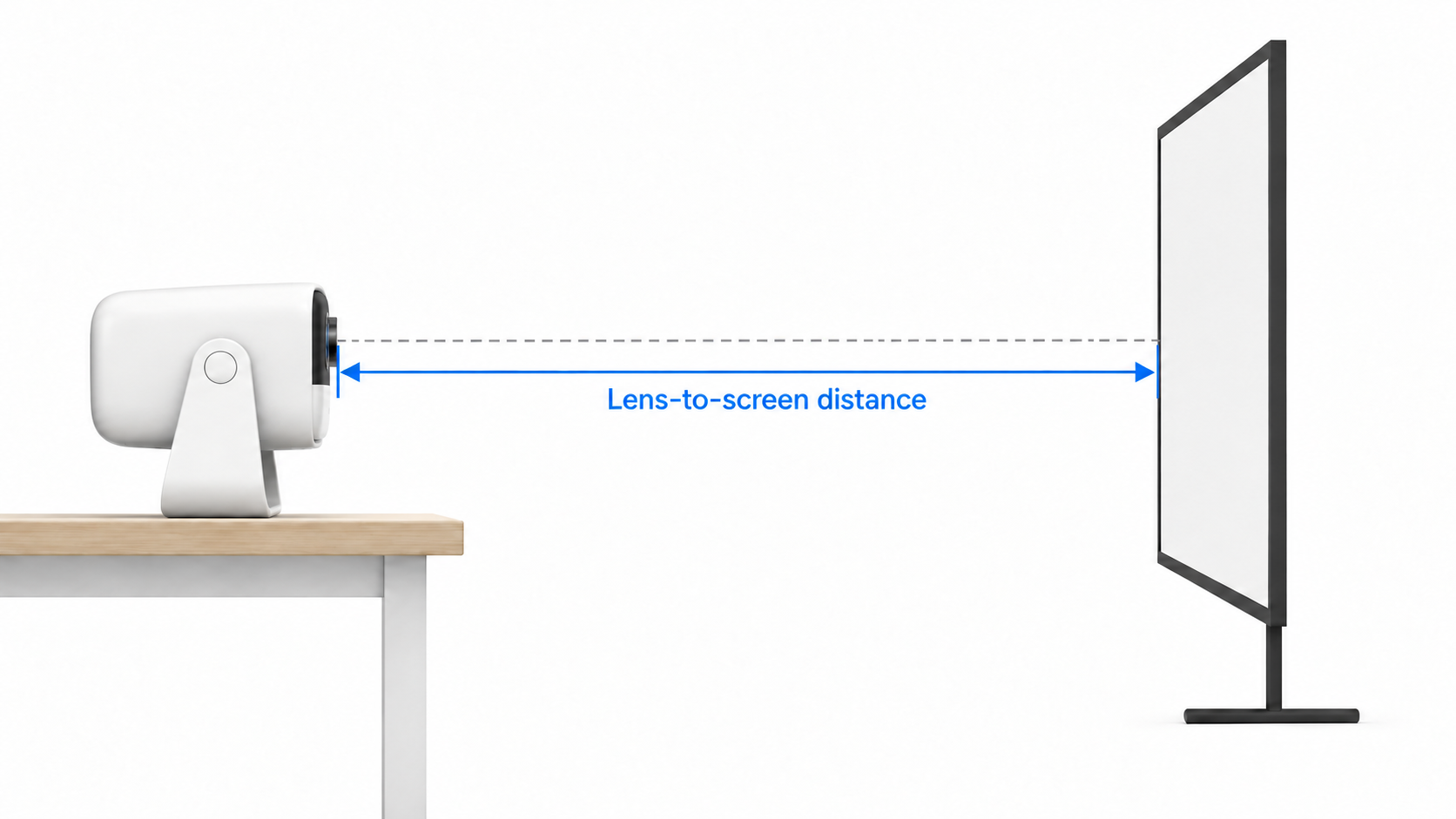
Many buyers want to know the maximum image size. They also ask how far the projector should sit from the wall or the screen. This detail is highly important for bedrooms, apartments, RVs, and small rooms.
A useful product page explains typical projection sizes at various distances. For example, it shows the exact distance needed for a 60-inch, 80-inch, or 100-inch image. This information helps buyers figure out if the projector fits their space. They can check this before they place an order.
Which Features Help Reduce Returns?
Buyers return portable projectors easily when the setup feels frustrating. They also return them if the image fails to match their expectations. Adding the right product features can directly protect your profitability.
Auto Focus and Auto Keystone Correction
Many buyers lack technical skills. They just want to place the projector, turn it on, and see a clear image quickly. Auto focus and auto keystone correction make the projector much easier to operate. This matters most when users move the device between rooms or take it outdoors.
These specific features hold massive value for bedroom projectors. They also improve camping projectors and family movie projectors.
Low Fan Noise
Fan noise stands out as a common complaint in portable projector reviews. If the fan runs too loud, it distracts users during movies. It ruins quiet scenes. Bedroom users show extreme sensitivity to this particular issue.
A quiet cooling system can turn into a major selling point. It makes the projector feel much more premium. It also greatly improves the overall watching experience.
Built-In Speakers
Many buyers refuse to carry a separate speaker. Good built-in audio makes the product feel fully complete. This helps during casual movie nights, kids’ entertainment, and outdoor gatherings.
A projector does not need to replace a massive sound system. Still, the speaker must be strong enough for normal viewing. A Bluetooth speaker mode can add extra value. It just needs to work reliably.
Stable Streaming Options
Streaming support remains highly important. Many buyers use projectors for Netflix, YouTube, Prime Video, Disney+, sports, or gaming content. The main goal is to avoid any misleading claims.
If the projector supports built-in apps, list those available apps clearly. If it works better with an HDMI streaming stick or a casting device, state that fact plainly. Honest streaming guidance prevents buyer confusion. It also reduces customer support requests.
How Can Projector Bundles Increase Profit?
Shoppers easily compare a projector-only listing by price alone. A well-designed bundle becomes much harder to compare. It solves a larger part of the buyer’s setup problem.
Outdoor Movie Kit
An outdoor kit might include a foldable screen, a tripod, and a carry case. It can add an HDMI cable, a remote, and a power cable. This package helps buyers set up fast for backyard movie nights. It also works great for outdoor parties.
Bedroom Cinema Kit
A bedroom kit can feature an adjustable stand and a ceiling mount option. It should include a remote and a quick setup guide. This bundle proves highly useful for renters, students, and apartment users. They usually want a very simple big-screen setup.
Camping Projector Kit
A camping kit can offer a carry case, an outdoor screen, and a tripod. It might add a USB-C power cable and a power bank recommendation. This specific bundle makes the product much easier to market. It targets campers, RV users, and travel buyers.
The goal is never to add random accessories. Every single accessory must make the first viewing experience much easier.
What Costs Should Sellers Calculate Before Launching?
Portable projectors might look profitable at first glance. However, true profit relies on the complete cost structure. Sellers must calculate much more than just the factory price.
Product and Landed Cost
Costs normally include the projector unit, the packaging, and the accessories. Sellers pay for inspection, freight, duties, and customs clearance. They also pay for delivery to the warehouse. If the projector contains a battery, the shipping and documentation become much more complex.
Advertising, Returns, and Warranty
Projectors can generate high returns. This happens if the image looks too dim or the fan sounds loud. It occurs if the speaker feels weak or the streaming setup seems confusing. Sellers must reserve margin for returns and replacements. They need funds for warranty service and customer support.
A better product page and a clear setup guide help a lot. Honest brightness claims and realistic app compatibility information can lower these costs significantly.
What Compliance Issues Should Sellers Check?
Portable projectors classify as consumer electronics. Sellers must check compliance rules before starting mass production.
Wireless and Bluetooth Components
If a projector features Wi-Fi or Bluetooth, sellers often need proper equipment authorization. They must gather supporting documentation. This step remains highly important for marketplace safety. It also ensures import stability.
Battery and Power Adapter Safety
Battery-powered projectors might demand extra shipping and safety checks. Power adapters must also meet all relevant safety expectations. Poor-quality adapters easily create customer complaints. They also introduce serious safety risks.
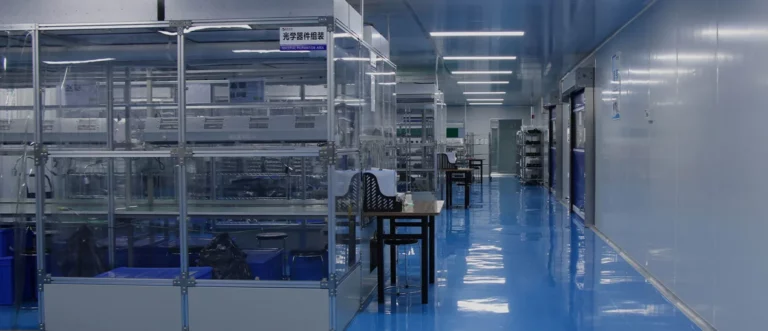
A supplier must provide test reports and battery documentation. They need stable quality control. A supplier like this holds much more value than one offering just a low price.
Conclusion: Are Portable Projectors Still Profitable in 2026?
Portable projectors can absolutely remain profitable in 2026. However, the real opportunity does not lie in selling cheap generic mini projectors. The stronger path involves building a product around a real viewing scenario. These scenarios include outdoor movie nights, bedroom cinema, camping entertainment, RV travel, or small-space home theater.
A profitable projector brand must offer native 1080p image quality. It needs honest brightness guidance and easy setup. The device should feature low fan noise, reliable audio, clear streaming support, and useful accessories. Bundles can easily increase the average order value. They make the product much more attractive than a bare projector listing.
The most successful sellers treat the projector as just one part of a complete viewing experience. The product, the accessories, and the setup guide must align perfectly. The product page and the customer support should all match the exact same use case. When this happens, portable projectors can still deliver very healthy margins.