The global projector market now faces a major shift in technology. Old lamp-based setups are slowly disappearing. The sector has moved toward solid-state lighting. RGB laser technology leads this change. For various projector brands around the world, from well-known companies to new ventures, the route to top positions does not depend only on their own production. The main focus has changed to China. This happens through ties with ODM/OEM.
Working with an ODM in China gives projector brands a strong set of benefits. These include entry to skilled production skills, big savings in costs, and quicker entry into the market. Brands can use China’s expert network. They then concentrate on promotion and user satisfaction. Their partners manage the tough tasks of research and building.
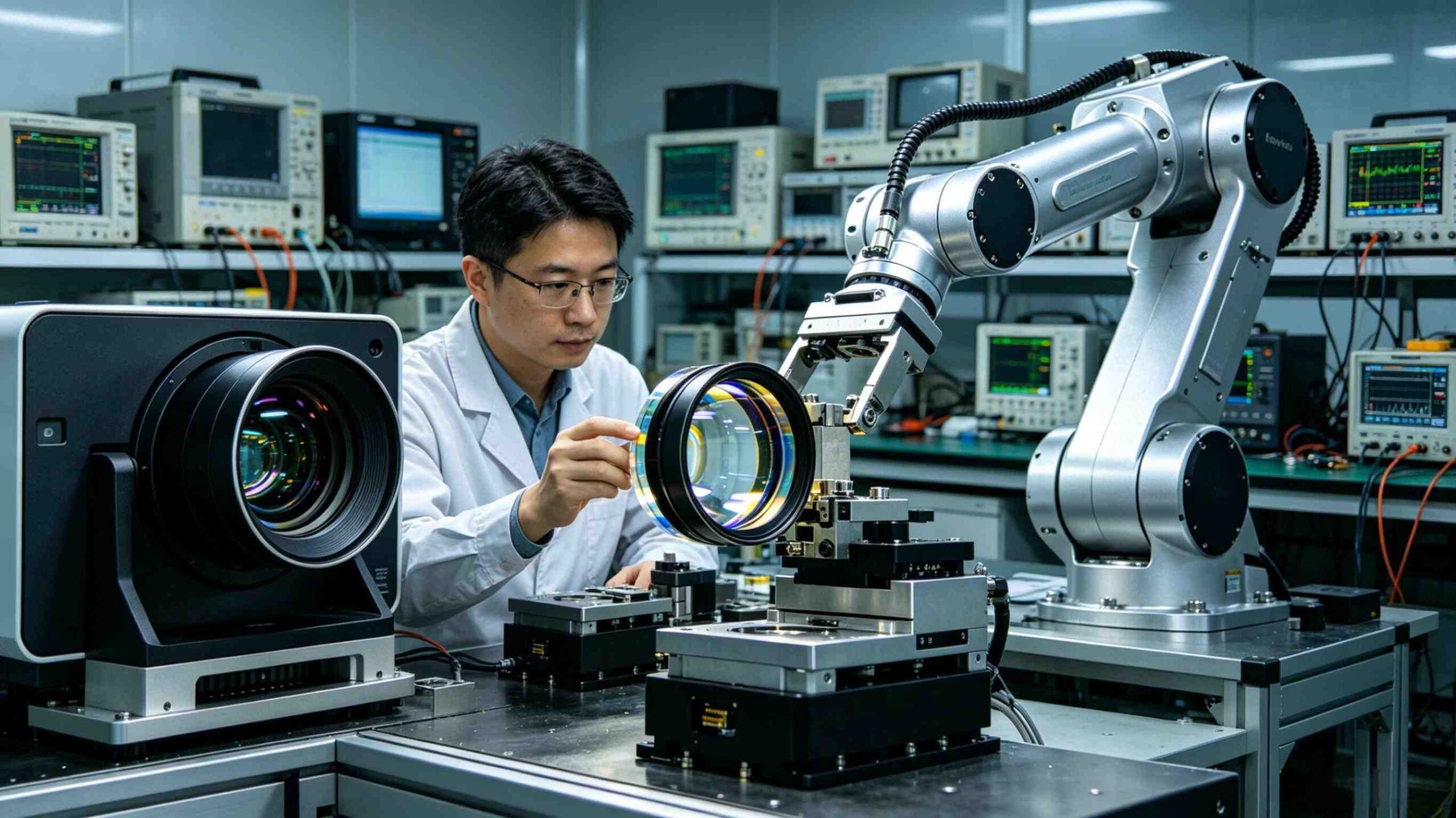
Key Advantages of Working with Chinese ODM Manufacturers
The choice to team up with a Chinese ODM often comes from the strong growth of the local industry setup. China does not just put things together. It forms a huge, linked system of new ideas and supplies.
Access to Mature Supply Chains
In places like Shenzhen and Dongguan, the “component ecosystem” stands out. OEM/ODM seeking a particular good lens, a special cooling fan, or a tailored PCB can usually locate several providers close to the ODM’s site. This nearness makes the supply chain tough and quick to adjust to shifts in needs or plans.
Lower Production Costs Without Compromising Quality
The story of China as a “cheap” spot has grown. Now, the price edge comes from large-scale operations and well-tuned production methods. It is not just about workers. Chinese ODMs have learned “Lean Manufacturing” well. They provide fair prices. At the same time, they keep strict quality levels needed for top optical tools.
Rapid Prototyping and Scalability
Time to reach the market matters a lot in consumer electronics. Chinese ODMs do well in fast prototyping. They often change a basic idea into a working model much quicker than in other areas. After checking the plan, their skill to grow production stands out. They can handle from a few hundred items to many thousands.
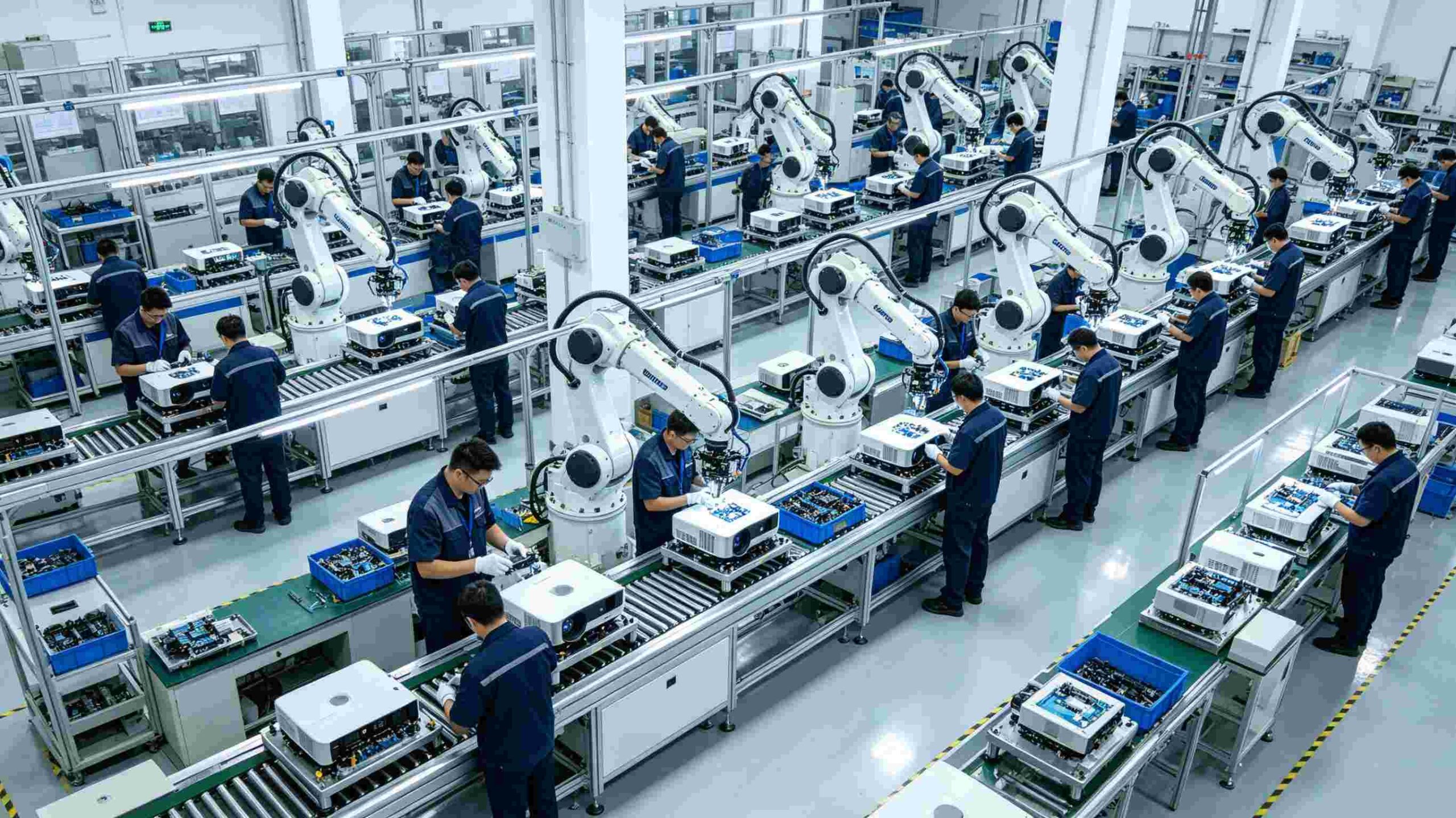
How Does RGB Laser Technology Enhance Modern Projectors?
To see why ODM ties focus on China these days, look at the tech they make: RGB Laser. This tech changes the viewing experience. It offers better light output, true colors, and longer life than old lamp or LED setups.
The Technical Benefits of RGB Laser Light Sources
Unlike “Laser Phosphor” systems that rely on one blue laser and a yellow phosphor wheel, real RGB laser projectors use separate red, green, and blue lasers. This leads to several gains.
A Wider Color Gamut: RGB lasers cover almost all of the BT.2020 color space. They create bright, real images that older systems cannot match.
Consistent Brightness: Laser sources lose power slowly compared to lamps. Thus, the projector stays bright for 20,000 to 30,000 hours.
Reduced Maintenance: These projectors need no lamp changes. They also have a steady heat setup. As a result, users face lower overall costs over time.
Market Impact of RGB Laser Adoption
Using RGB laser tech is more than a simple improvement. It sets products apart in the market. Buyers now want clear, colorful screens more than before. Brands that pick laser options first can act as top choices. They charge more and build better trust through strong visuals.
What Should You Expect When Partnering with a Chinese ODM?
Starting an ODM partnership means a joint effort. It needs open talk and a common goal. For a projector brand, the steps move from an idea to a real, ready product.
Steps Involved in the ODM Collaboration Process
Initial Consultation: It starts with a detailed chat about details. What light level is the goal? What throw ratio fits? This stage matches tech aims with buyer wants.
Prototype Development: The ODM builds a “Golden Sample.” Here, the brand watches its idea take shape. It can ask for changes in parts or software setup.
Production Scaling: After the sample passes hard tests, the ODM starts full production (MP). China’s factory scale means they can meet sudden big demands easily.
Quality Control and Compliance
A trusted Chinese ODM cares a lot about quality. You should look for use of global quality systems like ISO 9001. Also, for sales abroad, they follow safety rules. These include CE for Europe, FCC for the USA, and RoHS for environmental safety. Such steps are normal in their work.
How Can You Customize Your Own Projector Brand Through an ODM Partner?
Many people think ODMs only make standard items. In truth, top ODMs give a fresh start for brand differences.
Design and Aesthetics
Brands can change the outer case to fit their style. This could be a simple look for home use or a strong one for schools. Options include adding logos, picking colors, and creating special boxes for a nice opening feel.
Hardware and Software Adaptability
Changes go beyond looks. Brands can ask for more. For example:
Proprietary Firmware: A unique screen setup that matches the brand.
Optimized Optics: Choosing lenses for close or far throws.
Smart Features: Adding wireless links, voice help, or smart home ties based on user groups.
Why Is Supply Chain Management Critical?
In projectors, the supply chain forms the key support for good results. Chinese ODMs serve as the main point for countless small parts.
Sourcing and Localization
By getting parts from China’s local maker network, ODMs cut wait times and shipping fees. A skilled ODM knows top makers of DMD chips and laser diodes. Even in worldwide shortages, they give partners first access.
Risk Mitigation
Good supply chain handling also guards against surprises. Solid ODMs use smart stock plans. They keep varied suppliers. This protects projects from part lacks or quick need rises.
How Do Intellectual Property (IP) Protections Work?
A usual worry for brands eyeing Chinese ties is IP safety. Yet, the expert ODM field in China has grown smart in legal and work protections.
Contractual Safeguards
Good partners always start with a solid Non-Disclosure Agreement (NDA). Deals include clear rules on who owns what. This covers special tech or plans from the brand. It also includes joint work. All stay as the brand’s legal items.
Operational Confidentiality
In the plant, daily steps matter too. Leading ODMs set limited zones for key projects. They use code locks for data on software and plans. Special teams often handle one project. This stops info from spreading to other clients.
The Long-Term Strategic Alliance
Top brands do not see their ODM as just a supplier. They treat them as a lasting partner. A strong tie with an RGB laser ODM brings gains past one product start.
Continuous Innovation and Joint R&D
As the link grows, brands can join Joint R&D initiatives. This could mean new light parts or smart image fixes. Such teamwork helps brands lead in screen trends. Examples include shifts to 8K or adding AR/VR tools.
Market Expansion and Strategic Alliances
A close bond can also lead to shared naming deals. It speeds up moves into new areas. Using the ODM’s set paths in places like Southeast Asia or Europe helps. Brands grow worldwide with less cost and effort.
Conclusion: Building a Competitive Edge
In the tough global projection field, quick new ideas with good quality are key to staying in. Teaming with an RGB laser ODM in China gives the means to do this.
By using China’s skilled maker network, brands change from basic sellers to creators of viewing joys. With smart choice of partners, clear talks, and strong deals, brands gain a lasting lead that brings steady profits.